नोट
The Origins and History of the Peony Flower
With their abundant petals, elegant appearance, and captivating fragrance, peonies have long been admired as one of the most treasured ornamental flowers in the world. Their history stretches back thousands of years, intertwining with culture, medicine, art, and horticulture across multiple civilizations. This guide explores the origins, development, and enduring significance of the peony.
Avery Wilson
लेखक
मेटा
संदर्भ फील्ड नीचे उपलब्ध।
टाइप
पल्स नोट

With their abundant petals, elegant appearance, and captivating fragrance, peonies have long been admired as one of the most treasured ornamental flowers in the world. Their history stretches back thousands of years, intertwining with culture, medicine, art, and horticulture across multiple civilizations. This guide explores the origins, development, and enduring significance of the peony.
Botanical Background
Peonies belong to the plant family Paeoniaceae, an ancient botanical group that has survived for millions of years. The genus Paeonia contains roughly 30 to 40 recognized species and is generally divided into three major categories.
Tree Peonies
Tree peonies are woody shrubs primarily native to China. Unlike herbaceous varieties, they maintain permanent woody stems year-round and can grow between 6 and 10 feet tall. Well-known species include Paeonia suffruticosa and Paeonia rockii.
Herbaceous Peonies
Herbaceous peonies are perennial plants that die back to the ground each winter before re-emerging in spring. They occur naturally throughout parts of Europe, Asia, and western North America. The widely cultivated Paeonia lactiflora belongs to this group and serves as the foundation for many modern garden varieties.
Intersectional Hybrids
Also known as Itoh peonies, these hybrids are created by crossing tree peonies with herbaceous peonies. They combine the sturdy growth of herbaceous plants with the impressive blooms of tree peonies.
Native Distribution
The natural range of peonies provides insight into their ancient evolutionary history. Most species originated in Asia, especially within the mountainous regions of China, where the greatest diversity still exists today. Historical records indicate that peonies have been cultivated in Chinese gardens for more than two millennia.
Several species are native to southeastern Europe and the Mediterranean basin, including Paeonia mascula and Paeonia officinalis. Other species evolved in western North America, such as Paeonia brownii, commonly known as Brown’s peony.
Historical Importance
Peonies in China
In Chinese culture, peonies have earned the title “King of Flowers.” They traditionally symbolize prosperity, honor, dignity, and success.
Their popularity reached extraordinary levels during the Tang Dynasty (618–907 CE), when imperial gardens displayed hundreds of cultivated forms. The city of Luoyang became particularly famous for its peony collections and remains a celebrated destination for annual peony festivals.
Chinese literature, paintings, and decorative arts frequently feature peonies, often using them as symbols of wealth and the fleeting nature of beauty. Their short flowering season inspired reflections on appreciating life's precious moments.
Greek and Roman Traditions
The name "peony" originates from Paeon, a figure from Greek mythology. According to legend, Paeon was a student of Asclepius, the god of medicine. After using peony roots to heal Hades, Paeon attracted the jealousy of his teacher. Zeus ultimately saved him by transforming him into the peony flower.
Because of this story, peonies became associated with healing and medicinal practices throughout the ancient Greek and Roman worlds. Their roots and seeds were commonly used in remedies for a variety of ailments.
The Middle Ages and Renaissance
Throughout medieval Europe, peonies continued to be valued for their medicinal properties. Monastic gardens frequently cultivated Paeonia officinalis as part of their herbal collections.
Many herbalists believed peony seeds could ward off bad dreams, evil spirits, and various illnesses. As a result, the seeds were often incorporated into charms and protective talismans.
During the Renaissance, renewed interest in classical knowledge encouraged further study of peonies. Botanists began documenting plant characteristics more systematically, helping establish the foundations of modern plant classification.
Arrival in Western Gardens
Chinese herbaceous peonies did not become common in Europe until the eighteenth century, when trade between Europe and China expanded. These introductions brought larger flowers, improved fragrances, and a broader range of colors than many existing European species.
The renowned botanist Sir Joseph Banks helped introduce several peony varieties to England during the late 1700s.
Tree peonies followed in the early nineteenth century. Their dramatic blossoms quickly captivated wealthy gardeners and collectors, making them highly sought-after ornamental plants throughout Europe and North America.
Development of Modern Cultivars
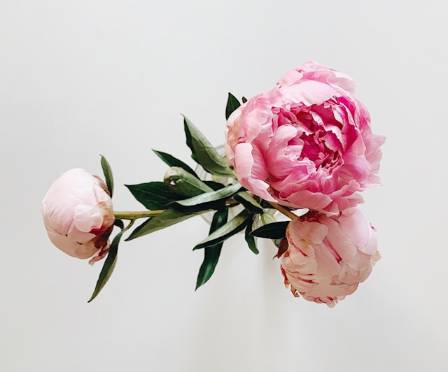
The nineteenth and twentieth centuries marked a golden era of peony breeding.
French horticulturist Victor Lemoine introduced many influential cultivars during the late nineteenth century. Later, American breeder A. P. Saunders expanded breeding possibilities through interspecies hybridization.
Major advancements included:
Development of yellow-flowering herbaceous peonies
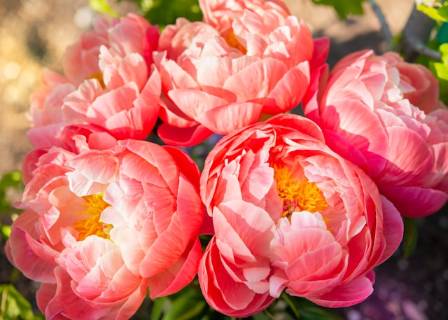
Introduction of coral, peach, and salmon-colored blooms
Creation of intersectional (Itoh) hybrids
Enhancement of fragrance, flower shape, and plant performance
Improvement of disease resistance and garden reliability
Peonies Around the World Today
Peonies are now cultivated throughout temperate regions worldwide. Important production areas include:
The Netherlands, known for commercial cut-flower production
Alaska, valued for specialty peony cultivation
Various regions of the United States and Canada
China, which remains a major producer for domestic and international markets
The modern peony industry supports several sectors, including:
Cut flowers for florists
Landscape and garden plant production
Commercial breeding programs
Traditional herbal medicine
Cosmetic ingredients derived from seed oils
Scientific Research and Conservation
Contemporary studies have greatly expanded our understanding of peony biology. Researchers continue to investigate pollination strategies, genetic diversity, seed dispersal, and species relationships.
Some wild peony populations face threats from habitat destruction and excessive collection. Conservation programs in several countries aim to preserve these species and protect their natural habitats.
Current scientific efforts focus on:
Genetic analysis to improve breeding
Preservation of rare wild populations
Development of disease-resistant cultivars
Understanding adaptation to changing climates
Cultural Importance Today
Peonies continue to carry powerful symbolic meanings across many cultures.
In China, they remain associated with abundance, prosperity, and good fortune. They frequently appear in artwork, festivals, and traditional celebrations.
In Western countries, peonies often symbolize romance, happiness, success, and modesty. Their large, luxurious blooms make them a favorite choice for weddings, anniversaries, and special events.
Conclusion
The story of the peony spans thousands of years, from wild mountain habitats to carefully cultivated gardens across the globe. Its beauty, symbolism, and horticultural value have ensured its place among the world's most admired flowers. As conservation and breeding efforts continue, future generations will be able to enjoy both the rich heritage and remarkable diversity of this extraordinary plant.
संबंधित

पक्षी रंगीन पंख कैसे बनाते हैं

हर बेकर के लिए आवश्यक ब्लूबेरी केक रेसिपी
सूरजमुखी के बारे में आपको जो कुछ भी जानना चाहिए - धरती पर सबसे खुशनुमा फूल

माइक्रो-स्केल मॉडलिंग: साधारण सामग्रियों से छोटे, जटिल संसारों का निर्माण कैसे करें

निषिद्ध शहर यात्रा गाइड