← वर्कस्पेस4 मिनट
नोट
Lavender Benefits
Latin name Lavandula angustifolia Origin France Alternative names Lavendel Parts used Flowers
P
Phil
लेखक
मेटा
संदर्भ फील्ड नीचे उपलब्ध।
टाइप
पल्स नोट
Advantages
Aid for Sleep
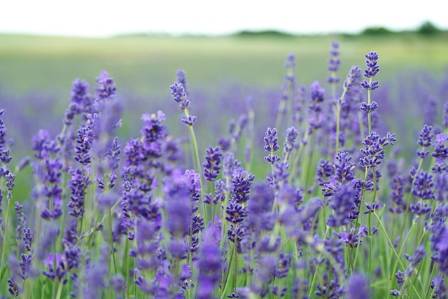
Lavender oil is primarily composed of linalyl acetate and linalool, which are phytochemicals that quickly enter the bloodstream. Studies suggest that these compounds have a sedative and anxiolytic effect by inhibiting several neurotransmitters.
If you're struggling with restless nights, lavender has been proven to help extend the time spent in deep sleep. A particular study found that lavender increased the percentage of deep or slow-wave sleep in participants, with all of them reporting feeling more refreshed and energetic the following morning.
Anti-Anxiety
Lavender has been a trusted remedy for anxiety and depression for centuries. Its active components, including "terpenes" (small molecules that enter the bloodstream through the nose or lungs), are capable of crossing the blood-brain barrier and influencing neurological processes.
Research has shown lavender to be as effective at alleviating anxiety as pharmaceutical options. A study published in "Phytomedicine" demonstrated that lavender helps alleviate restlessness, anxiety, and insomnia. Another study in the International Journal of Psychiatry in Clinical Practice revealed that 80mg lavender oil capsules helped reduce anxiety, restless sleep, and depression without any adverse side effects.
Wound Healing
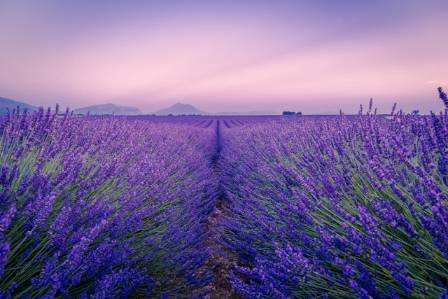
Lavender essential oil has strong antiseptic properties. Applying it to wounds can accelerate healing by promoting cell regeneration and reducing the appearance of scars. Its antimicrobial effects help protect cuts and scrapes from infection while supporting the healing process.
Burn Treatment
Lavender oil is renowned for its ability to treat burns and scalds. The pain-relieving, anti-inflammatory, antibacterial, and antiseptic qualities make lavender an effective treatment. It promotes faster cell regeneration and can help minimize scarring.
Digestive Support
Lavender has long been used as a digestive aid. It improves intestinal motility, helping food pass through more easily, and increases the production of gastric juices like bile, which enhances digestion and nutrient absorption. Lavender is beneficial for conditions like colic, vomiting, and flatulence. Interestingly, lavender inhibits the growth of harmful pathogens while not harming beneficial bacteria, though the exact mechanism remains unclear.
As a digestive aid, lavender oil can be consumed as a tea.
Lavender Hydrolat
Lavender hydrolat has naturally calming and soothing effects. For the skin, it helps relieve irritation, itching, inflammation, and redness. It serves as an excellent facial cleanser and toner, especially for sensitive skin. With its natural sedative qualities, lavender hydrolat can be spritzed onto bed linens or used as a room spray to create a serene environment conducive to sleep.
Folklore and History

Lavender is one of the most well-known medicinal herbs, originally from France and the western Mediterranean, but now cultivated worldwide. The Romans played a key role in spreading lavender throughout Europe, where they used it in bathhouses and for fumigating sick rooms or preparing for childbirth.
Traditionally, lavender’s fragrance was believed to bring good luck and lift sadness. Lavender bundles were often given to pregnant women to provide strength and courage. It has long been considered an aphrodisiac, especially when combined with rose buds in the marital bed. Lavender is also thought to bring peace and protection energetically.
Traditional Use
Lavender has a history of over 2,500 years of documented use. Its name comes from the Latin root "lavare," meaning "to wash," likely because it was commonly used in baths to cleanse both the body and spirit.
The Ancient Egyptians used lavender for embalming and cosmetics. Jars containing lavender-based unguents have been discovered in tombs, and only royals and priests used them in massages and medicines. When King Tut's tomb was opened in 1923, a faint lavender scent was detected that had lasted for over 3,000 years.
Queen Elizabeth I was known to drink lavender tea to relieve her frequent migraines, and lavender's traditional uses range from lice treatment to aiding sleep and relaxation. Lavender has been valued for millennia as a calming herb—dried lavender flowers were used to stuff pillows, a practice considered essential for a restful night's sleep.
Typical Uses
Lavender Tea:
Lavender tea can be consumed to benefit from its calming and digestive properties.
Lavender Essential Oil:
Add 10-18 drops per 30ml of carrier oil or use up to 10 drops per bath. It can also be used in massage oils, creams, or diffusers to promote a relaxing atmosphere.
Burns and Cuts:
For burns or to treat cuts and scrapes, mix 3–5 drops of lavender oil with ½ teaspoon of coconut oil and apply it to the affected area.
Lavender Hydrolat:
Lavender hydrolat is ideal for use as a facial spritzer, cleanser, and toner. It soothes irritated skin, insect bites, sunburn, and allergic reactions.
संबंधित
hi
सरल जापानी टेम्पुरा बैटर: हल्के और हवादार तलने के लिए एक गाइड

en
Essential Guide to French Method Macarons

hi
5 टेक्नोलॉजी ट्रेंड्स जो फैशन इंडस्ट्री को बदल रहे हैं

en
Dessert Can Be Good for You — Here's Why
en
The Best Electric Razor

hi