नोट
Ten Incredible Truths About Our Home Planet
Every year in April, people around the globe celebrate Earth Day to honor the world we inhabit. Since its inception in 1970, this day has served as a vital platform for addressing environmental hurdles and fostering a commitment to conservation for future generations. While Earth Day provides a specific moment for reflection, the uniqueness of our world suggests that every day should be dedicated to its care. To celebrate this magnificent world, here is a collection of ten remarkable facts that highlight the complexity and beauty of Earth.
Elowen Hartley
लेखक
मेटा
संदर्भ फील्ड नीचे उपलब्ध।
टाइप
पल्स नोट
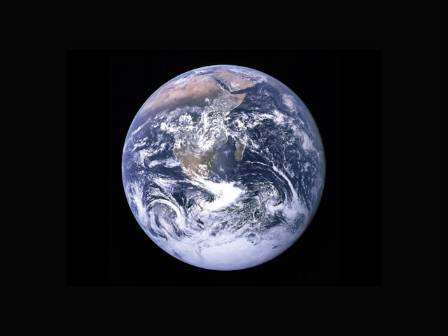
Every year in April, people around the globe celebrate Earth Day to honor the world we inhabit. Since its inception in 1970, this day has served as a vital platform for addressing environmental hurdles and fostering a commitment to conservation for future generations. While Earth Day provides a specific moment for reflection, the uniqueness of our world suggests that every day should be dedicated to its care. To celebrate this magnificent world, here is a collection of ten remarkable facts that highlight the complexity and beauty of Earth.
The Earth is Not a Perfect Sphere
Contrary to popular belief, the Earth is not perfectly round. Because the planet rotates, centrifugal force causes it to bulge at the equator and flatten slightly at the poles. Additionally, because the distribution of mass across the globe is not entirely uniform, the pull of gravity varies slightly from one location to another. While these subtle irregularities are impossible to see in standard satellite photographs, they mean the planet is technically an oblate spheroid rather than a perfect ball.
The Largest Living Structure is Made of Coral
Coral reefs are not just breathtaking underwater landscapes; they represent the largest living structures on the planet. These ecosystems are built by colonies of microscopic animals known as coral polyps. Over vast periods, these organisms create calcium carbonate skeletons that accumulate into massive reef systems. These reefs provide essential habitats for marine life and act as vital buffers that protect shorelines from the impact of erosion and storms.
Our Planet Possesses a Malleable Interior
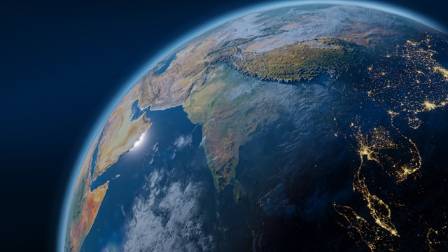
The inside of the Earth is not a solid block. Due to extreme pressure and intense heat, the interior has a semi-solid or "squishy" texture. This allows the mantle to flow slowly over millions of years, driving the movement of tectonic plates and fueling volcanic activity. An interesting result of this is "post-glacial rebound," where land that was once crushed under the weight of massive ice-age glaciers is slowly rising back up now that the ice has melted.
Antarctica Holds the Vastest Ice Reserves
Antarctica is a land of extremes, being the windiest, coldest, and southernmost continent on the globe. It contains the world’s largest ice sheet, holding an incredible 30 million cubic kilometers of ice. This represents about 90% of the planet's total ice and 70% of its freshwater. Because of this scale, even small changes in the Antarctic ice sheet can lead to significant shifts in global sea levels and ocean currents.
The Moon is Slowly Moving Away
In a fascinating celestial trend, the Moon is gradually increasing its distance from Earth at a rate of roughly 4 centimeters per year. This migration is caused by tidal interactions; the Moon's gravity pulls on Earth’s oceans, creating a tidal bulge. This bulge, in turn, exerts a gravitational tug on the Moon that accelerates its orbit, pushing it slightly further away over time. While this change is invisible to us, it slowly alters the timing of Earth's rotation over millions of years.
The Aridity of the Atacama Desert
Outside of the polar regions, the Atacama Desert in South America is the driest spot on the globe. Spanning over 100,000 square kilometers, some parts of this desert see less than one millimeter of rain annually. Its extreme dryness is caused by its location between high mountains that block moisture and cold ocean currents that prevent evaporation. Despite these brutal conditions, specialized plants and animals have evolved to thrive in this Martian-like landscape.
The Magnetic North Pole is Shifting
While the geographic North Pole is constant, the magnetic North Pole is a wanderer. Historically, it moved at a relatively slow pace of about 15 kilometers per year. However, since the 1990s, this movement has accelerated significantly. It is currently dashing toward Siberia at speeds of up to 60 kilometers per year. This shift is caused by changes in the flow of molten iron within the Earth's core, which alters the magnetic field at the surface.
Europe's Unique Size and Population Balance
Europe presents a fascinating demographic contrast. Geographically, it is the second smallest continent, only larger than Australia. However, it is the third most populous continent, trailing only Asia and Africa. With over 746 million residents, it is one of the most urbanized regions in the world. This density presents unique challenges for managing air quality, energy, and water resources as the global population continues to rise.
The Tibetan Plateau as a Global Reservoir
Often called the "Third Pole," the Tibetan Plateau contains the largest store of freshwater outside of the Arctic and Antarctic. It is home to more than 46,000 glaciers which serve as the headwaters for major rivers like the Yangtze and the Mekong. These glaciers are essential lifelines for millions of people across Asia. Unfortunately, rising global temperatures are causing these ice reserves to melt at a concerning rate, threatening the water security of the entire region.
Trees Serve as the Planet's Lungs
Forests are among our most powerful allies in maintaining a balanced climate. Covering about 30% of the Earth's land, they house roughly 80% of terrestrial biodiversity. Tropical forests are particularly important, as they generate a significant portion of the oxygen we breathe. Collectively, the world's forests absorb billions of tons of carbon dioxide every year. Protecting and restoring these "lungs" of the planet is critical for regulating the carbon cycle and ensuring our long-term survival.
संबंधित

ह्यूमनॉइड रोबोट को समझना: डिज़ाइन, प्रशिक्षण और एकीकरण
माइक्रो-स्केल मॉडलिंग: साधारण सामग्रियों से छोटे, जटिल संसारों का निर्माण कैसे करें

शहर के कुछ प्रसिद्ध स्थल और उनकी कहानियाँ

पांडे के बारे में 10 महत्वपूर्ण तथ्य
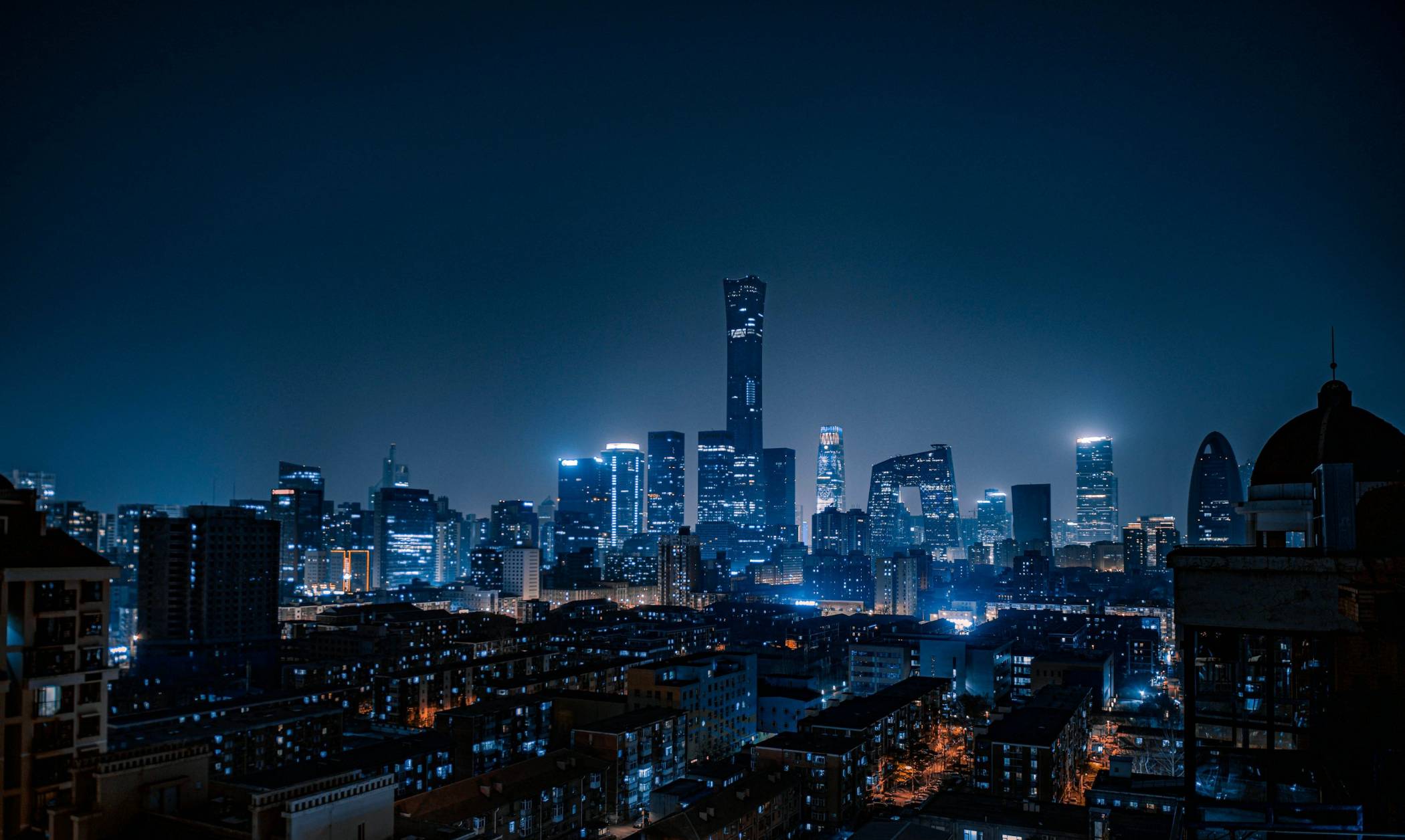
रात के समय सबसे खूबसूरत शहर तस्वीरों में