नोट
Draw a Kitten in 10 Easy Steps
Are you ready to bring a tiny, furry bundle to life on paper? Drawing a cute kitten can be a fun and rewarding challenge, and with some guidance, you’ll soon be perfecting your skills. Whether you’re a beginner or an experienced artist, learning how to draw a kitten is a delightful way to enhance your creative abilities.
Skyler Brooks
लेखक
मेटा
संदर्भ फील्ड नीचे उपलब्ध।
टाइप
पल्स नोट
Are you ready to bring a tiny, furry bundle to life on paper? Drawing a cute kitten can be a fun and rewarding challenge, and with some guidance, you’ll soon be perfecting your skills. Whether you’re a beginner or an experienced artist, learning how to draw a kitten is a delightful way to enhance your creative abilities.
In this step-by-step tutorial, we’ll guide you from sketching basic shapes to adding fur texture, ensuring your kitten looks lively and endearing. You’ll also learn tips for capturing those wide, sparkling eyes and fluffy fur, so your drawing truly radiates charm.
Understanding Your Kitten
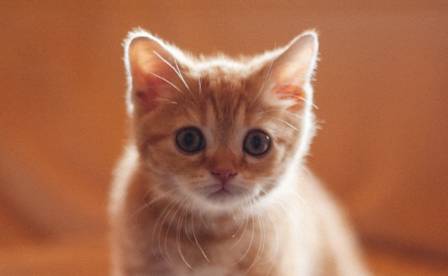
Before you pick up your pencil, take a moment to study your subject. Focus on what makes your kitten special—the sweet facial features, soft fur, and playful behavior. Observing these traits carefully will help you recreate their personality in your artwork.
Choosing the Right Tools
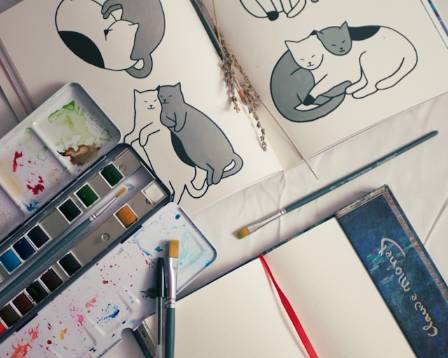
The materials you use can influence the look and feel of your drawing. Selecting the right medium allows you to achieve your desired effects more easily:
Pencils are versatile and great for beginners. They let you create delicate textures and subtle shading, perfect for soft kitten fur.
Charcoal offers bold, dramatic contrast and expressive lines, ideal for adding depth and energy to your sketch.
Digital tools provide flexibility, especially if you prefer working on a tablet. Many apps offer brushes and effects that replicate traditional mediums, allowing realistic results.
For beginners, pencils are a safe choice, but if you want to experiment with textures or dramatic effects, consider charcoal or digital media.
Observing Posture
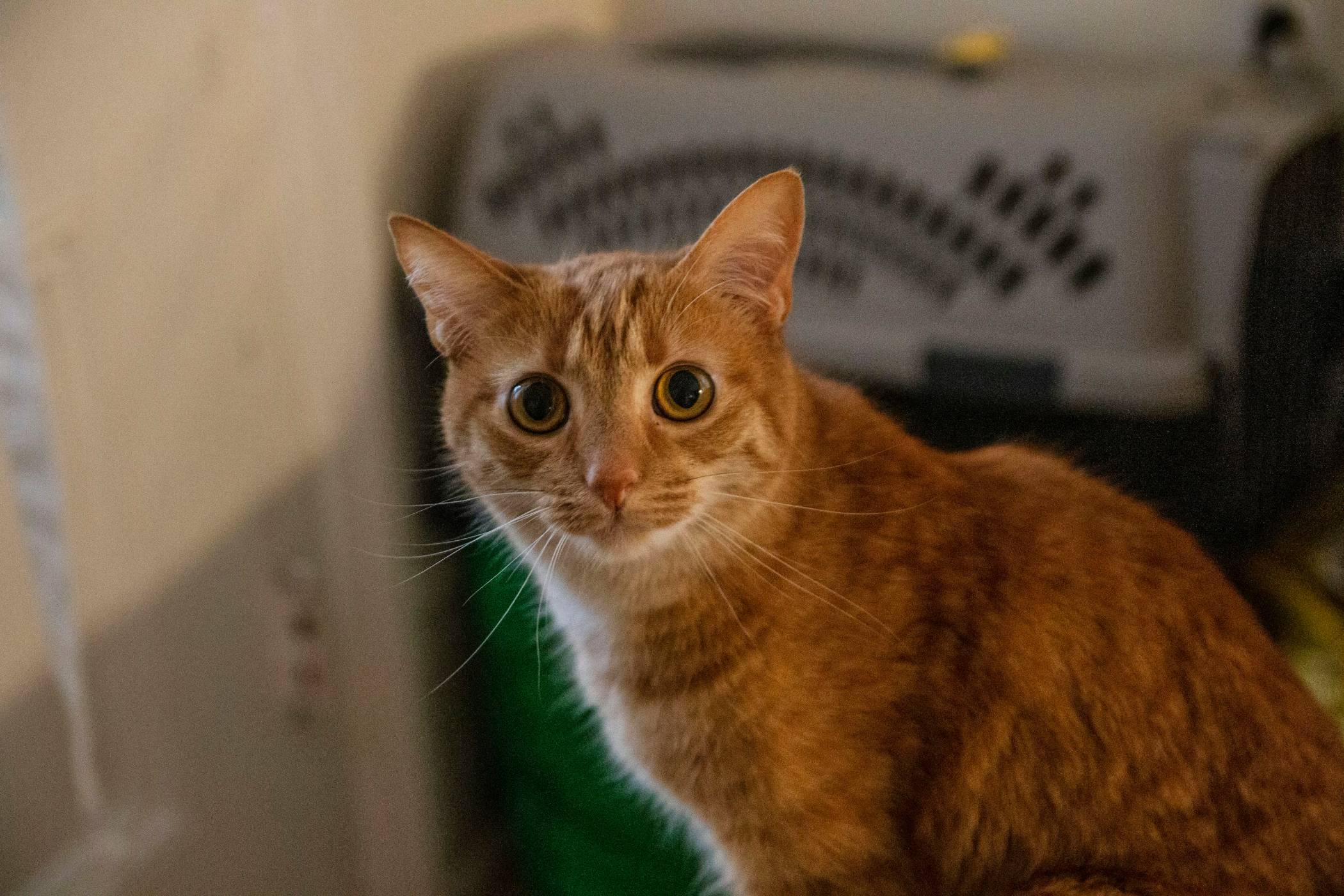
A kitten’s pose is key to a realistic drawing. If possible, observe a live kitten or use high-quality reference images. Notice how it distributes its weight, the slight tilt of its head, and the position of its ears.
Pay attention to the tail, too: a happy kitten usually holds its tail high and twitching, while a scared one tucks it low. Look at the muscles—relaxed or tense—and how the fur lays against the body or stands slightly when alert. Capturing these nuances makes your drawing come alive.
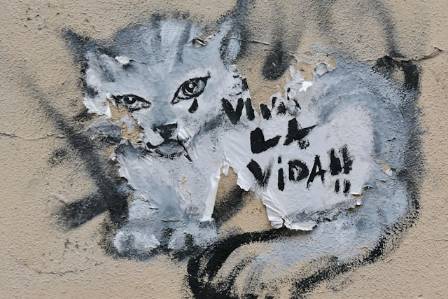
Breaking Down Shapes and Proportions
Start with simple forms to build your kitten’s structure. Think of the body as a combination of spheres, cylinders, and rectangles:
Head: roughly spherical, with small ears protruding on each side.
Body: cylindrical, tapering slightly towards the back.
Face proportions: imagine a rectangle across the face to place eyes, nose, and mouth correctly. Whiskers extend as thin lines from the mouth corners.
Using these basic shapes allows you to outline the kitten’s body accurately and adjust proportions before adding details.
Drawing the Head and Face
Begin with a tilted oval for the head to make your kitten look endearing. Inside this, add a smaller circle to define the face.
Eyes: close together, roughly one-third from the top of the head.
Nose: small triangle pointing up.
Mouth: a simple curved line beneath the nose.
Keep features simple initially; refine them later for a more realistic look.
Sketching the Body
For the torso and legs, maintain proportion and convey natural muscle curves:
Torso: oval shape with space for legs.
Legs: start at the hip joint, add curves for thigh muscles, and soften lines around knees and ankles to reflect a relaxed posture.
Movement: consider poses like pouncing or stretching to add energy.
Whiskers and Paws:
Draw whiskers with gentle, curved lines radiating from the muzzle.
Paws: oval pads with five toes, each toe slightly different.
Claws: tiny curved triangles at the end of each toe.
These details make your kitten feel realistic and lively.
Adding Fur Texture
To replicate a kitten’s fur, observe its length and pattern:
Short fur: use light, soft strokes following the body’s shape.
Long fur: thicker, flowing lines in the direction of hair growth.
Layer thin strokes for depth.
Watch how real fur reacts to light and incorporate highlights and shadows to enhance realism.
Accessories (Optional)
Add collars, bows, or ribbons to personalize your kitten drawing. Ensure the accessory fits naturally with the pose and personality:
Playful kittens might suit a bow or flowing ribbon.
Calm kittens may look better with a simple collar and tag.
Balance size and placement so the accessory feels integrated into the drawing.
Coloring and Shading
Color adds life and depth:
Shading: consider where the light hits your kitten. Fur on the back is usually darker than the belly.
Color transitions: blend dark and light areas smoothly.
Mood: bright colors convey energy, soft tones suggest calmness.
Use hatching, layering, and smooth strokes to create a realistic fur texture. Shadows under the chin, ears, and along the back help add dimension.
Final Touches
Refine details:
Check head-body alignment and ear proportions.
Enhance fur with short, gentle strokes.
Ensure legs, neck, and paws maintain correct proportions.
Step back and evaluate your drawing for flow and balance. Small adjustments can elevate the overall realism.
Displaying Your Kitten Artwork
Once complete, share your creation:
Frame it to showcase your art at home.
Post online on platforms like Instagram, DeviantArt, or Pinterest.
Turn your drawing into gifts, t-shirts, or mugs for fellow cat lovers.
With practice, your kitten drawings will become increasingly lifelike and charming, capturing the joy of these adorable creatures.