नोट
AI Companion Robots for Home Use
Interest in AI companion robots is no longer driven purely by curiosity. Modern lifestyles are changing—more people live independently, families often feel busier than ever, and digital devices compete constantly for attention. At the same time, home robots have become much more capable at creating meaningful interactions through facial recognition, fast responses, expressive movements, and recurring routines.
Peyton Gray
लेखक
मेटा
संदर्भ फील्ड नीचे उपलब्ध।
टाइप
पल्स नोट

Interest in AI companion robots is no longer driven purely by curiosity. Modern lifestyles are changing—more people live independently, families often feel busier than ever, and digital devices compete constantly for attention. At the same time, home robots have become much more capable at creating meaningful interactions through facial recognition, fast responses, expressive movements, and recurring routines.
One important thing to understand is that companion robots are not designed to replace friendships or family relationships. Their purpose is to add small moments of connection throughout everyday life. Whether it's welcoming you home, entertaining you while preparing dinner, reminding you to take a short break, or becoming part of a daily routine, these interactions can make a home feel more engaging.
People researching this category often have several common concerns:
Will it still be enjoyable after the novelty wears off?
Will it work well in my home environment, whether that's an apartment, house, or a home with pets?
Can I manage privacy settings and sound levels?
Does it provide value without requiring ongoing subscription fees?
This guide is designed to answer those questions in a practical and accessible way, even for people with no robotics background.
Understanding AI Companion Robots
Companion robots are built around ongoing interaction rather than simple task execution. Unlike smart speakers that primarily respond to commands, these robots are designed to create a sense of presence through movement, reactions, and evolving engagement.
You can think of them as social technology devices. Their appeal comes from several core characteristics:
Presence: They recognize and respond to your presence.
Personality: They behave more like characters than appliances.
Consistency: They encourage repeated interaction through daily routines.
Equally important is understanding what they are not. Most consumer companion robots are not intended to serve as babysitters, therapists, or healthcare devices unless specifically approved for those purposes. They may support healthy habits and simple reminders, but they should not be viewed as professional care solutions.
Companion Robots vs. Assistants vs. Toys
One of the easiest ways to choose the right product is to understand the differences between categories.
Smart assistants focus primarily on utility functions such as timers, music playback, weather information, and smart-home controls.
Toys emphasize entertainment but often provide limited personalization over time.
Companion robots combine social interaction, expressive movement, activities, and daily routines to create a stronger emotional connection.
The Emotional Value of Companion Robots
The benefits of a companion robot are often subtle rather than dramatic. Owners rarely describe them as life-changing overnight. Instead, they often mention small improvements such as:
"Morning routines feel more enjoyable."
"My child spends time interacting with it after school."
"It helps keep my elderly parent engaged throughout the day."
These experiences are usually created through three important design elements.
Social Presence: The robot turns toward people, reacts to voices, and appears attentive.
Emotional Expression: Friendly sounds, playful actions, and calming interaction modes create a positive atmosphere.
Routine Support: Repeated activities such as greetings, bedtime habits, and break reminders become part of everyday life.
When choosing a robot, consider whether you're seeking entertainment, structure, or simply a greater sense of presence.
Privacy and Safety Considerations
Most companion robots rely on cameras and microphones to recognize users and respond naturally. As with any connected technology, privacy deserves attention.
It's often best to place the robot in common areas such as living rooms or kitchens before considering private spaces.
Carefully review application permissions during setup.
Choose products that clearly indicate when recording or listening functions are active.
Take advantage of parental controls and guest settings when available.
Physical safety is also important, especially for mobile robots.
Stairs, loose cables, rugs, pet dishes, and small objects can interfere with movement.
Reliable charging behavior and predictable navigation are generally more important than flashy demonstrations.
Why Consumers Choose Companion Robots
People looking for AI companionship robots are often trying to address specific needs.
Some experience loneliness or feel that their homes lack activity.
Others want alternatives to excessive screen time for children.
Many caregivers seek tools that encourage routine and engagement.
Some individuals simply need motivation for healthy habits such as movement, hydration, or sleep schedules.
One major advantage is low-maintenance companionship. Unlike pets, robots do not require feeding, walking, or long-term care commitments. They can provide interaction whenever desired without creating guilt when left alone.
Consumers also place significant value on:
Easy installation and support
Consistent and predictable behavior
Straightforward privacy settings
Durable designs suitable for everyday family environments
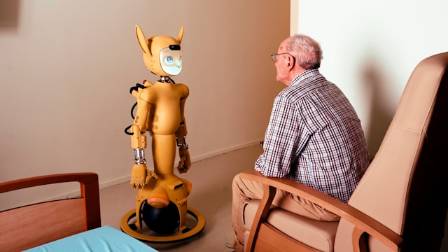
Families: Encouraging Interaction Beyond Screens
For families, companion robots often work best in short, enjoyable sessions.
They may provide entertainment while meals are being prepared.
They can become part of after-school routines.
They often serve as engaging characters during weekend family activities.
Additionally, they can help encourage skills such as cooperation, turn-taking, empathy, and shared attention without relying entirely on screens.
Seniors and Caregivers
Older adults often benefit from simple and reliable interactions.
Friendly greetings and basic conversations
Reminders that support daily schedules
Easy-to-repeat activities that encourage engagement
For caregivers, companion robots can add enjoyment and structure to daily life. However, they should supplement human interaction rather than replace it. Features such as adjustable volume, quiet modes, and calm behavior are particularly valuable.
Living Alone: Everyday Presence and Motivation
For people who live independently, companion robots help fill small gaps throughout the day.
They can welcome you home after work.
They can provide playful interruptions between tasks.
They can encourage healthy habits such as stretching, drinking water, or preparing for sleep.
Their value comes from consistency and friendliness rather than perfection.
Choosing the Right Companion Robot
Selecting the right robot begins with evaluating your environment.
Where will the robot spend most of its time?
How quiet or busy is that location?
Who will interact with it most often?
Do you prefer a robot that moves around the home or remains stationary?
Answering these questions can prevent disappointment later.
Quick Buying Guide
Feeling alive and responsive
Look for fast reactions and expressive movements.
Delayed responses reduce the sense of companionship.
Family-friendly design
Look for parental controls, quiet modes, and clear status indicators.
These features support predictable behavior at home.
Low-maintenance ownership
Choose reliable hardware and simple charging systems.
Convenience encourages long-term use.
Privacy confidence
Look for microphone and camera controls as well as data management options.
These features increase comfort in shared spaces.
Long-term engagement
Software updates and expanding activities help maintain interest over time.
Choosing the Right Personality Style
Appearance has a major impact on user expectations.
Cute or pet-inspired designs generally appeal to a wide range of households.
Humanoid robots can be impressive, but users often expect more advanced speech and movement capabilities.
Desktop companions may be ideal for adults seeking subtle and calm interaction.
For many buyers, expressive pet-like robots provide the strongest sense of companionship.
Evaluating Interaction Quality
Responsiveness is often the most important factor.
Does the robot immediately acknowledge your presence?
Can you adjust how much it talks?
Does it recover gracefully from misunderstandings?
Does it encourage interaction without becoming intrusive?
Small reactions and expressive behaviors often make a robot feel attentive and alive.
Practical Home Considerations
Practical factors can have a major influence on satisfaction.
Can it move effectively around rugs and floor transitions?
Will it remain quiet enough for apartments and evenings?
How difficult is cleaning and maintenance?
Does charging fit naturally into daily routines?
A robot that integrates smoothly into daily life is often more valuable than one packed with rarely used features.
Featured Recommendation: Loona
For buyers seeking a playful and expressive robot focused on companionship, Loona is a strong option.
It is particularly suitable for:
Families looking for interactive, screen-light entertainment
Homes that value personality and expressive behavior
Daily casual interaction through games, routines, and short activities
It may not be the best choice for:
Users seeking advanced smart-home control functions
People prioritizing productivity tools over companionship features
The Future of Companion Robots
The next stage of development is not simply smarter conversations. It is better integration into everyday life.
Expected improvements include:
More capable local AI processing
More fluid and natural movement
Improved navigation around real household environments
Deeper integration with everyday routines
For consumers, this means fewer reminders that they are interacting with technology and more natural companionship experiences.
On-Device Intelligence and Personalization
Future robots are expected to rely more heavily on local processing.
This could provide:
Faster response times
Reduced reliance on cloud services
Stronger privacy protection
Greater flexibility in customizing personality traits
Users may be able to choose whether their robot behaves in a more energetic or more relaxed manner.
Smarter Home Awareness and Movement
Future robots will become increasingly skilled at understanding their surroundings.
They may automatically reduce activity late at night.
They may avoid crowded areas of the home.
Their movements may communicate mood and intention more naturally.
The ultimate objective is not to create robots that perform every task, but robots that fit seamlessly into everyday life.
Conclusion
The ideal AI companion robot is not necessarily the one with the largest list of features. Instead, it is the one that remains enjoyable and useful over time. The most successful products consistently provide quick responses, engaging personality, practical daily routines, and user-friendly controls for privacy and sound management.
Before making a purchase, identify your primary goal. Whether you want family entertainment, companionship while living alone, or support for an older family member, selecting a robot designed for that purpose is essential.
Also consider practical factors such as pets, rugs, stairs, internet reliability, and household noise preferences. These real-world details often matter far more than impressive marketing demonstrations.
FAQ
Are AI companion robots appropriate for children and family environments?
Yes, provided they are configured responsibly. Use parental controls, place the robot in shared spaces, review privacy permissions, and establish clear usage guidelines. Mobile robots should also be monitored around stairs, cables, rugs, and pets.
What separates a companion robot from a smart speaker?
Companion robots focus on social interaction through expressive behavior, movement, routines, and ongoing engagement. They are designed to remain entertaining and engaging even when not responding to direct commands.
Can companion robots function without subscriptions or continuous internet access?
Many models continue to offer core features such as movement, reactions, routines, and simple games without additional fees. However, advanced AI conversations, cloud services, and frequent content updates may require internet access or subscription plans. Before purchasing, verify which functions remain available in the standard operating mode.
संबंधित

कॉन्फिडेंस गैप को कैसे कम करें: पेशेवर महिलाओं के लिए टिप्स
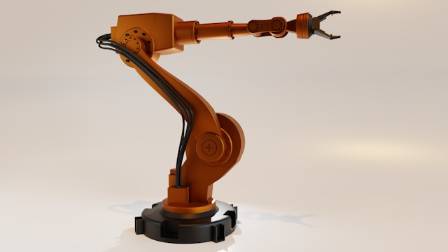
विनिर्माण क्षेत्र में रोबोटिक आर्म्स के लिए एक व्यापक मार्गदर्शिका

Experience 5 Most Magic of Tree House Hotels Worldwide

मैटरहॉर्न के बारे में 10 बातें जो आपको नहीं पता होंगी

Classic Handcrafted Lemonade: The Ultimate Summer Refreshment