नोट
A Comprehensive Guide to the British Station Wagon
An estate car is a type of passenger vehicle designed with an extended rear section to increase luggage capacity while still comfortably carrying passengers. It is often associated with versatility, making it a popular choice for families, long-distance drivers, and anyone who needs generous cargo space without moving up to a larger SUV or van.
Celeste Arbour
लेखक
मेटा
संदर्भ फील्ड नीचे उपलब्ध।
टाइप
पल्स नोट
An estate car is a type of passenger vehicle designed with an extended rear section to increase luggage capacity while still comfortably carrying passengers. It is often associated with versatility, making it a popular choice for families, long-distance drivers, and anyone who needs generous cargo space without moving up to a larger SUV or van.
At its core, the estate car sits between a hatchback and a larger utility vehicle, offering everyday usability with a strong focus on storage flexibility. This guide breaks down what an estate car is, how it differs from other body styles, its history, key features, and why it continues to remain relevant.
Defining an Estate Car in Simple Terms
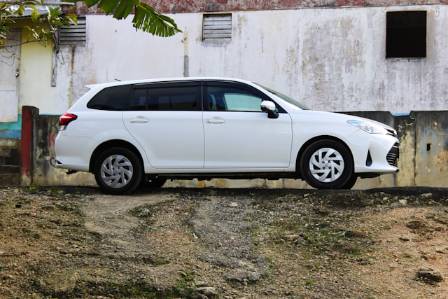
An estate car (known as a “station wagon” in some regions) is essentially a standard passenger car with a lengthened roofline and rear body section. This creates a larger boot area behind the rear seats.
Unlike a sedan with a separated trunk, an estate integrates cargo space into the main cabin structure, improving accessibility and loading convenience. The rear hatch typically opens upward, giving a wide and practical loading aperture.
In short, an estate car is built to carry both passengers and luggage efficiently, without sacrificing everyday drivability.
The Origins and Development of Estate Cars
Estate cars have been part of automotive history for decades, gaining popularity in Europe during the mid-20th century. Early versions were created to meet the needs of families and working users who required more space than standard cars could offer.
Over time, manufacturers refined the concept, improving comfort, design, and driving performance. Brands across Europe—especially in countries like Sweden and Germany—played a major role in shaping the estate car into a refined and practical vehicle category.
In its early form, the estate was valued for simplicity: a flat load floor, wide tailgate opening, and easy access. Modern versions have evolved into highly sophisticated vehicles with advanced engineering, premium interiors, and flexible seating systems.
Estate Car vs Hatchback vs Sedan vs SUV
Understanding an estate car becomes easier when compared with other common body styles:
Estate vs Hatchback:
Both may share platforms, but an estate has a longer rear section and significantly more cargo space. Hatchbacks are shorter and offer less room for large items.
Estate vs Sedan:
Sedans separate luggage space from the cabin with a trunk lid. Estates combine everything into one continuous area, making loading easier and increasing practicality.
Estate vs SUV/Crossover:
SUVs offer higher ground clearance and a more rugged stance. Estates typically provide better driving efficiency, improved aerodynamics, and a lower ride height, while still delivering strong storage capacity.
In many markets, “estate” and “wagon” refer to the same concept: extended cargo space with passenger comfort.
Main Types of Estate Cars
Estate cars come in several variations depending on size, design, and intended use.
Traditional Estate
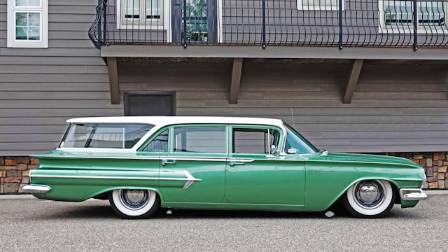
This is the classic long-roof design, with a straight or slightly sloping rear and a large tailgate. It prioritizes maximum storage space and ease of loading.
Flexible Load Estate
Some models include foldable rear seats, split cargo floors, and pass-through openings for long items such as skis or furniture. These features improve versatility in everyday use.
Sport-Inspired Estates (Shooting Brake Style)
These versions emphasize design and performance, blending a more dynamic silhouette with estate practicality. They appeal to buyers who want style alongside usability.
Size-Based Categories
Compact estates: easy to drive in cities, efficient and practical
Mid-size estates: balanced for families and general use
Large estates: maximum cargo space and long-distance comfort
Key Features That Make Estate Cars Practical
Estate cars are defined not just by size, but by usability-focused design.
Large and Accessible Cargo Area
A major advantage is the wide, low-loading boot space. The flat floor makes it easier to load heavy or bulky items. Many models also feature split-fold rear seats for expanded storage.
Flexible Interior Layout
Seats can often fold flat or adjust in sections, allowing drivers to switch between passenger and cargo priorities. Additional storage compartments and cargo nets increase usability.
Roof and Towing Capability
Roof rails allow extra storage via roof boxes or bike racks. Many estate cars also support towing, making them suitable for trailers, caravans, or recreational equipment.
Comfortable Driving Experience
Despite their practicality, estates are designed to remain comfortable and smooth on the road. Good suspension tuning, cabin insulation, and stable handling contribute to long-distance comfort.
Why People Choose Estate Cars
Estate cars remain popular because they offer a balance of practicality and everyday usability.
Family Use
Families appreciate the combination of passenger space and large luggage capacity, making school runs, holidays, and daily errands easier.
Outdoor Lifestyle
For people who enjoy sports or travel, estates provide room for bikes, camping gear, or outdoor equipment without needing a larger vehicle.
Work and Business Needs
Estate cars are also used by professionals who need to transport tools, samples, or equipment while maintaining a comfortable driving experience.
How to Choose the Right Estate Car
Selecting the right model depends on lifestyle and usage patterns.
Cargo Needs
Consider how much space you regularly need and whether you require long, tall, or flat loading capability.
Engine and Efficiency
Options include petrol, diesel, hybrid, and plug-in hybrid systems. Fuel economy and driving habits should guide your choice.
Driving Feel
Test driving is important to evaluate comfort, handling, and stability, especially when fully loaded.
Interior and Technology
Modern estates often include advanced safety systems, infotainment features, and comfort upgrades such as heated seats or adaptive cruise control.
Long-Term Costs
Maintenance, insurance, and resale value should all be considered before purchasing.
The Future of Estate Cars
Estate cars are evolving alongside automotive innovation. Hybrid and electric versions are becoming more common, offering lower emissions without compromising practicality.
Advances in materials and aerodynamics are also improving efficiency. In many ways, electrification is giving estate cars a new lease on life, ensuring they remain competitive in a market dominated by SUVs.
Common Misconceptions About Estate Cars
“They are outdated” → Modern estates are stylish and technologically advanced
“They are underpowered” → They come with a wide range of efficient and powerful engines
“SUVs always offer more space” → Estates often provide more usable cargo volume
“They are unsafe in bad weather” → Many include advanced traction and stability systems, with optional AWD
Frequently Asked Questions
How much space does an estate car offer?
Typically between 400 and 700+ litres with seats up, and significantly more when folded.
Are estate cars suitable for families?
Yes, they are one of the most practical family vehicle types due to space and flexibility.
Can they tow?
Many estate cars have strong towing capacity and stability systems designed for trailers and caravans.
Are they expensive to maintain?
Costs vary by model, but many estates are designed for long-term reliability and manageable servicing.
Final Summary
An estate car is a practical passenger vehicle with an extended rear section designed for increased cargo capacity. It blends everyday comfort with strong usability, offering a middle ground between compact cars and larger SUVs.
Its continued popularity comes from its ability to adapt to different lifestyles—family use, travel, work, and recreation—while remaining efficient and easy to drive.
In essence, the estate car remains one of the most balanced and versatile vehicle types available today, valued for its combination of space, comfort, and practicality.