नोट
Perfume Your World With Fragrant Freesia!
Freesia flowers are true garden treasures, combining bright colors, sweet fragrance, and graceful beauty. These herbaceous perennial plants originate from South Africa and grow from corms, which are specialized underground stems that store energy.
Henry Foster
लेखक
मेटा
संदर्भ फील्ड नीचे उपलब्ध।
टाइप
पल्स नोट
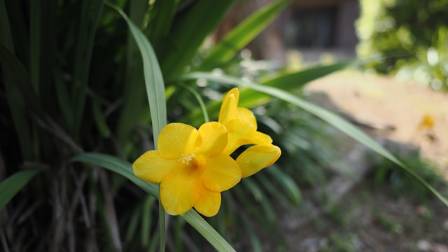
Freesia flowers are true garden treasures, combining bright colors, sweet fragrance, and graceful beauty. These herbaceous perennial plants originate from South Africa and grow from corms, which are specialized underground stems that store energy.
Known for their delicate appearance, spicy-sweet scent, and wide range of uses, freesias are wonderful choices for both experienced gardeners and beginners. Their corms are simple to plant and rewarding to grow.
Whether placed in flower borders, patio containers, or decorative arrangements, these charming blooms bring vibrant color and a delightful perfume wherever they grow. Learn how to plant, care for, and enjoy these fragrant flowering plants.
All About Freesia
Freesia is a plant genus containing 16 recognized species along with many hybrids and cultivated varieties. They are highly valued for their trumpet-shaped flowers and memorable fragrance. Each corm produces a cluster of narrow, upright green leaves that remain attractive throughout the growing season.
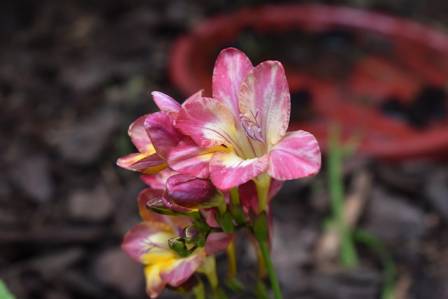
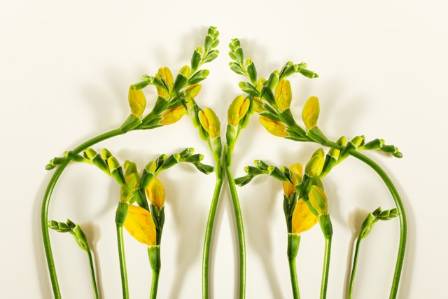
The flowers appear on slender, arching stems and feature six petals arranged in an elegant formation. They come in a wide variety of shades, including red, yellow, pink, white, and many other colors.
With their clean shape and modern appearance, freesias are popular additions to gardens as well as floral arrangements.
Their scent combines sweet, peppery, and fresh citrus-like notes, making them a favorite flower for perfumes and bouquets.
Using Freesia in the Garden
Freesia corms grow quickly and can be used in many different garden settings, containers, and flower displays.
Mixed Borders and Cottage Gardens
Plant freesias among perennial flowers or in cottage-style gardens to introduce vivid colors and a pleasant fragrance. Their blooms also attract beneficial pollinators such as bees and butterflies.
Containers and Small Areas
Because freesias usually remain compact, rarely exceeding 2 feet in height or width, they are excellent choices for patio containers, planters, hanging baskets, and window boxes.
Pathways and Garden Edges
Growing freesias beside walkways, paths, or garden borders creates a fragrant and colorful edge that adds extra charm to outdoor spaces.
Mass Plantings
Planting freesias in groups, rows, or large clusters creates a striking display of bold colors and makes their flowering effect even more impressive.
Indoor Beauty
Freesias can be grown indoors in containers during winter or other seasons, bringing fresh color and fragrance into the home. Their stems can also be cut and added to bouquets.
How to Plant Freesia Corms
Select the Best Planting Time
Plant freesia corms in spring after the danger of frost has passed. In warmer regions such as USDA zones 9–10, they can also be planted in fall and left outdoors year-round.
Prepare the Soil
Freesias perform best in loose, well-draining soil and can adapt to many soil types.
If the soil is heavy or holds too much moisture, improve drainage by adding compost or sand, creating raised beds, or growing them in containers.
Planting Depth and Spacing
Place the corms about 2 inches below the soil surface with the pointed side facing upward.
Leave around 6 inches of space between each corm to provide enough room for healthy growth.
Water and Mulch
Water thoroughly after planting so the soil settles around the corms.
Adding a 3–4 inch layer of mulch helps conserve moisture, control weeds, and maintain a stable growing environment.
Caring for Freesia
Sunlight Requirements
Freesias prefer full sunlight but can tolerate partial shade, especially in areas with very hot summers.
Watering Needs
Keep the soil consistently moist but avoid excessive watering that can cause the corms to rot. Check soil moisture regularly before adding more water.
Fertilizing
Apply a balanced fertilizer during the active growing period to support strong growth and encourage abundant flowers.
Removing Old Flowers
Remove faded blooms to encourage continued flowering. Leave the foliage intact after blooming because the leaves help store energy in the corm for future growth.
Pruning
Once the foliage naturally turns yellow and dies back, it can be trimmed away.
Lifting Freesia in Autumn
In colder climates, especially USDA zones 1–8, freesias are usually treated as annual plants or grown in containers. They should be lifted before the first frost and stored until the following growing season.
Growing as Annuals
Plant freesias in spring and enjoy their colorful flowers throughout the warmer months.
Growing in Containers
Move container-grown freesias indoors before frost arrives and care for them as houseplants.
Digging and Storing Corms
In autumn, carefully remove the corms from the soil, clean and dry them, then store them in a cool, dark, dry location at around 50–60°F until spring planting.
Enjoy Fragrant Freesia
Freesia corms are an excellent choice for gardeners who want colorful flowers, sweet fragrance, and easy-care beauty. Their versatility allows them to thrive in gardens of all sizes, from large flower beds to small patio containers.
With their elegant blooms and captivating scent, freesias are sure to become a favorite addition to any garden. Plant these beautiful flowers and enjoy the charm, fragrance, and color they bring throughout the season.
Happy Planting!
संबंधित

67 मिलियन वर्ष पुराना, अब तक पाया गया सबसे पुराना आधुनिक पक्षी प्राकृतिक 'टर्डकन' है
शीर्ष 10 फार्म पशु
तरबूज कैसे चुनें: 6 काम की टिप्स

16 Stunning Thanksgiving Decor Ideas to Impress Your Guests

9 Iconic Stone Sculptures That Shaped Modern Art