← वर्कस्पेस5 मिनट
नोट
Cheese Foam Tea: The Viral Beverage Taking the World by Storm
Tea has long been celebrated for its health benefits—hydration, antioxidants, and overall wellness support—with variations ranging from floral and herbal blends to berry-infused brews. But in recent years, a seemingly unlikely contender has risen in popularity: cheese foam tea. At first glance, the combination of tea and cheese sounds unappetizing, but this trendy beverage has amassed a dedicated following, especially among millennials, who flock to cafes (and even hire line sitters) for a taste. Below, we explore everything you need to know about cheese foam tea—its definition, origins, variations, health impacts, and more.
A
Amelia
लेखक
मेटा
संदर्भ फील्ड नीचे उपलब्ध।
टाइप
पल्स नोट
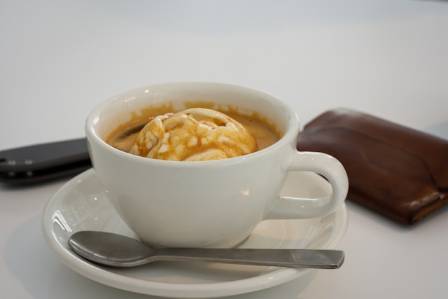
Tea has long been celebrated for its health benefits—hydration, antioxidants, and overall wellness support—with variations ranging from floral and herbal blends to berry-infused brews. But in recent years, a seemingly unlikely contender has risen in popularity: cheese foam tea. At first glance, the combination of tea and cheese sounds unappetizing, but this trendy beverage has amassed a dedicated following, especially among millennials, who flock to cafes (and even hire line sitters) for a taste. Below, we explore everything you need to know about cheese foam tea—its definition, origins, variations, health impacts, and more.
What is Cheese Foam Tea?
Cheese foam tea, originally popularized in Taiwan before spreading across Asia and later the U.S. and Europe, is far from the cheese-infused hot water or whey-based drink many initially imagine. It consists of a base of black or green tea (served hot or cold) topped with a thick, creamy foam made from cream cheese, whipped cream, and milk—often sweetened with condensed milk and sprinkled with sea salt. The foam mimics the taste of foamy cheesecake or a rich milkshake, balancing the tea’s bitterness with savory-sweet richness. Its vibrant presentation—think a fluffy white foam layer atop vivid tea—has made it a social media sensation, with thousands sharing photos on Instagram.
Variations of Cheese Foam Tea
As a relatively new trend, cheese foam tea recipes vary by café, leading to creative twists on the classic. While most stick to the core blend of cream cheese, whipped cream, condensed milk, and salt, some cafes put unique spins: San Francisco spots offer sea salt mousse instead of cheese foam, while others experiment with flavor additions like cinnamon or vanilla extract. The tea base also varies—some use oolong or herbal teas instead of black or green, and sweetness levels are often customizable. Regardless of the variation, the defining feature remains the creamy, salty-sweet foam that sets it apart from traditional tea drinks.
Health Benefits of Cheese Foam Tea
The health perks of cheese foam tea primarily stem from its tea base, with the foam adding modest benefits. Black and green tea are rich in polyphenols (antioxidants) that fight free radicals, reduce cell damage, and lower risks of obesity and diabetes. Tea’s flavonoids support heart health by lowering blood pressure, cholesterol, and LDL (“bad” cholesterol), while also aiding digestion by promoting gut-friendly bacteria. Studies link regular tea consumption to reduced hypertension, improved alertness (from moderate caffeine), and even a potential lower risk of certain cancers. Surprisingly, the full-fat dairy in the foam offers benefits too: research shows full-fat dairy consumers have a 50% lower risk of obesity, type 2 diabetes, and heart disease than low-fat dairy eaters, with calcium and protein contributing to overall wellness. Additionally, full-fat milk doesn’t diminish tea’s antioxidant levels, preserving its core health benefits.
Downsides of Cheese Foam Tea
Despite its benefits, cheese foam tea has notable drawbacks, mostly tied to sugar and calories. The foam and tea base are often sweetened with added sugars, leading to “empty calories”—a 475ml serving can contain up to 240 calories and 34g of sugar. Excess sugar intake increases risks of inflammation, obesity, metabolic disorders, and chronic diseases like heart disease and cancer. While the tea and dairy offer nutrients, the sugar content typically outweighs these benefits when consumed regularly. Additionally, the beverage’s high calorie count makes it a less ideal daily choice, as overconsumption can lead to weight gain. Those with lactose intolerance or dairy allergies also need to avoid traditional versions.
How to Make Cheese Foam Tea at Home
Making cheese foam tea at home is simple, allowing you to control ingredients and reduce added sugars. Start by brewing your preferred tea (black, green, or herbal) and sweetening it lightly (or using sugar alternatives like maple syrup if desired). For the foam, mix cream cheese, whipped cream, a pinch of sea salt, and optional flavorings (cinnamon, vanilla) in a blender or with a whisk until light and frothy. Spoon the foam over the tea, top with a sprinkle of sea salt or drizzle of honey, and enjoy. Homemade versions let you skip excess sugars and customize the foam-to-tea ratio, making it a healthier alternative to café-bought options.
Cheese Foam Tea vs. Milk Foam Tea
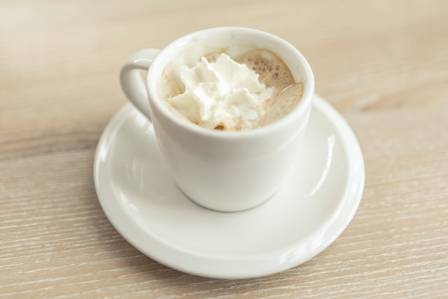
While they look similar—both feature a foamy top—cheese foam tea and milk foam tea are distinct. Milk foam tea uses frothed milk (no cream cheese), resulting in a milder, latte-like taste compared to cheese foam’s cheesecake-like richness. Milk foam tea has fewer calories (on par with a standard latte) since it lacks cream cheese, making it a lighter choice. However, cheese foam tea’s salty-sweet flavor profile and thicker foam appeal to those seeking a more indulgent treat.
FAQs About Cheese Foam Tea
Where can I find cheese foam tea?
It’s increasingly available in large cities across the U.S., UK, and beyond, with Asian tea shops being early adopters of the trend. Major metropolitan areas often have dedicated bubble tea or specialty tea cafes serving cheese foam tea.
Who invented cheese foam tea?
The beverage originated in China, created by the company HEYTEA (formerly Royaltea), though the exact individual inventor is unknown.
What flavors of cheese foam tea exist?
Cafes offer creative flavors like chocolate, strawberry, and crème brûlée, in addition to the classic salty-sweet version. Some also experiment with tea bases like oolong or fruit-infused blends.
Is there a vegan version?
Yes—vegan cafes and homemade recipes use plant-based alternatives like coconut milk, vegan cream cheese, lemon juice, and maple syrup to replicate the foam’s texture and flavor, making it accessible for lactose-intolerant or vegan consumers.
Conclusion
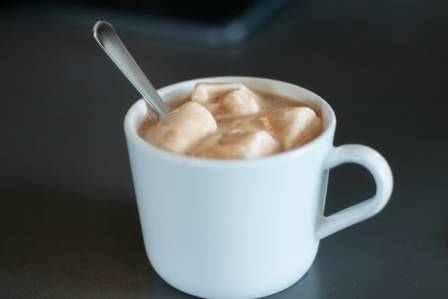
Cheese foam tea may sound unconventional, but its unique blend of savory-sweet foam and aromatic tea has made it a global phenomenon. While it offers the health benefits of tea and modest perks from full-fat dairy, its high sugar and calorie content mean it’s best enjoyed as an occasional treat rather than a daily health drink. Whether you try it at a café or make it at home (with reduced sugar), cheese foam tea is a fun, indulgent twist on traditional tea—proving that even the most unexpected combinations can win over taste buds worldwide. Have you tried cheese foam tea? Share your experience!