← वर्कस्पेस3 मिनट
नोट
The Gentle Giants of the Deep: Understanding the Whale Shark
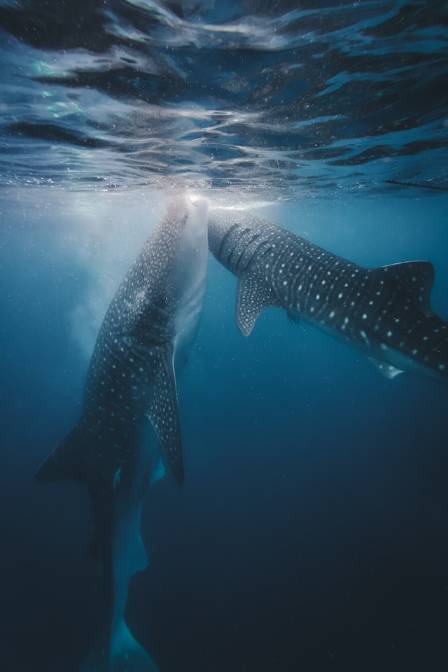
The whale shark (Rhincodon typus) holds the title of the world’s largest fish, dwarfing even the most formidable predatory sharks. Despite their immense size, these pelagic wanderers are docile filter-feeders, sustaining themselves on microscopic plankton as they traverse the tropical oceans. Recognizable by their distinctive pattern of white spots and stripes, they are a prized encounter for snorkelers and divers, yet much of their life history remains shrouded in mystery.
W
William Thomas
लेखक
मेटा
संदर्भ फील्ड नीचे उपलब्ध।
टाइप
पल्स नोट

The whale shark (Rhincodon typus) holds the title of the world’s largest fish, dwarfing even the most formidable predatory sharks. Despite their immense size, these pelagic wanderers are docile filter-feeders, sustaining themselves on microscopic plankton as they traverse the tropical oceans. Recognizable by their distinctive pattern of white spots and stripes, they are a prized encounter for snorkelers and divers, yet much of their life history remains shrouded in mystery.
Vital Statistics
-
Scientific Name: Rhincodon typus
-
Conservation Status: Endangered (IUCN)
-
Maximum Length: Up to 60 feet (18 meters)
-
Weight: Approximately 11 tons
-
Habitat: Tropical oceans worldwide
Biology and Behavior
The sheer scale of the whale shark is difficult to comprehend. While reports of 60-foot individuals exist, their absolute maximum size is still debated. These animals are highly migratory, often traveling vast distances to locate sufficient plankton blooms to fuel their massive bodies.
One of the most intriguing aspects of their biology is reproduction. Whale sharks are ovoviviparous (giving birth to live young), but a birth event has never been observed in the wild. Consequently, the locations of their pupping grounds and the whereabouts of juvenile sharks are among the ocean's greatest unsolved mysteries; very few individuals under 3 meters are ever recorded.
While commonly seen feeding at the surface, whale sharks are capable of impressive dives. They regularly descend to depths of 1,000 meters (3,280 feet) in search of food, demonstrating a versatility that belies their languid surface presence.
Ecological Significance
As the ocean’s largest plankton eaters, whale sharks act as indicators of ocean health. Their presence in an area signals a robust and productive marine ecosystem. They are generally solitary creatures, but they aggregate in large numbers wherever plankton concentrations are high, creating spectacular natural spectacles.
Threats and Conservation
Despite legal protections in many countries, whale shark populations are in decline globally. Major threats include:
-
Targeted Fisheries: High demand for their meat, fins, and oil in international markets continues to drive illegal hunting.
-
Bycatch: They are frequently caught accidentally in fishing nets intended for other species.
-
Vessel Strikes: The rise of wildlife tourism brings risks; careless boat operators can injure sharks with propellers, and excessive interaction can disrupt natural feeding behaviors.
WWF’s Protection Initiatives
The World Wide Fund for Nature (WWF) is actively engaged in research and conservation to safeguard these giants:
-
Photo Identification: Each whale shark possesses a unique pattern of spots behind its gills, much like a human fingerprint. Since 2007, WWF has cataloged 458 individual sharks in the Philippines using this method, allowing for population monitoring without tagging.
-
Satellite Telemetry: By attaching satellite tags to 29 individuals, researchers have discovered that while these sharks are highly mobile, they spend the majority of their time deeper than 150 feet, rarely staying at the surface. Most tracked sharks remained within 125 miles of the coast.
-
Sustainable Tourism: In collaboration with local communities, WWF has helped establish responsible ecotourism protocols. In Donsol, Philippines, a once-sleepy fishing town now thrives as a premier whale shark destination. In Mexico, WWF educates tour operators and tourists on "codes of conduct" to minimize disturbance and prevent boat collisions.