नोट
The Twisted World of Spiral Noodles
Spiral noodles, sometimes called corkscrew or helix pasta, are a type of pasta beloved worldwide for their distinctive twisted shape and incredible versatility. These noodles have become a common ingredient across many culinary traditions, from Italian classics to Asian favorites, appealing to both children and adults alike. In this article, we’ll explore spiral noodles, covering their origins, varieties, nutritional benefits, and cooking techniques.
Mason Reed
लेखक
मेटा
संदर्भ फील्ड नीचे उपलब्ध।
टाइप
पल्स नोट
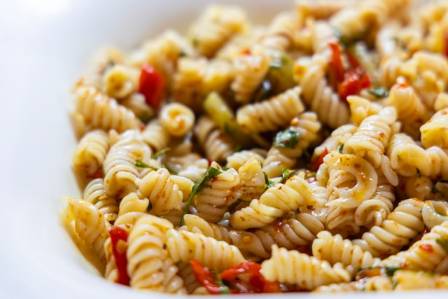
Spiral noodles, sometimes called corkscrew or helix pasta, are a type of pasta beloved worldwide for their distinctive twisted shape and incredible versatility. These noodles have become a common ingredient across many culinary traditions, from Italian classics to Asian favorites, appealing to both children and adults alike. In this article, we’ll explore spiral noodles, covering their origins, varieties, nutritional benefits, and cooking techniques.
The Origins of Spiral Noodles
Spiral-shaped pasta can trace its roots back to ancient Italy, where pasta was traditionally made from durum wheat semolina. The earliest recorded spiral noodles date to the 12th century, particularly in southern Italy in regions like Campania and Sicily. The unique twist was created by wrapping the dough around rods made of wood or metal, forming the helical design we recognize today.
As pasta spread across the Mediterranean, different cultures created their own variations. In Asia, spiral-shaped noodles became common in Chinese, Japanese, and Korean cuisines, often appearing in stir-fries, soups, and cold noodle salads.
Varieties of Spiral Noodles
Spiral noodles come in a wide range of shapes, sizes, and textures, depending on the ingredients and regional traditions.
Italian Spiral Noodles
Fusilli: Classic corkscrew pasta made from durum wheat semolina, often served with tomato sauces and meatballs.
Tortiglioni: Thick, rope-like spirals from Emilia-Romagna, commonly paired with creamy sauces and vegetables.
Asian Spiral Noodles
Rice Noodles: Made from rice flour and water, these delicate translucent noodles are used in dishes like Vietnamese pho and Thai stir-fries.
Udon: Thick Japanese wheat noodles served in hot broths or with dipping sauces.
Other Types
Cavatappi: An Italian spiral similar to fusilli but with a more rustic texture.
Spiralized Vegetables: A modern, gluten-free take, using vegetables like zucchini, carrots, or beets as noodles.
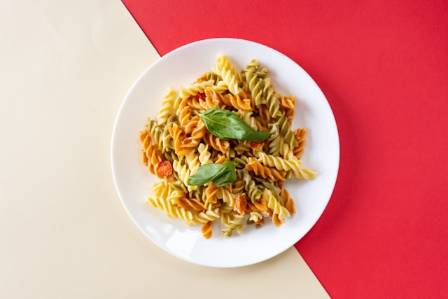
Nutritional Advantages of Spiral Noodles
Spiral noodles can be a wholesome addition to a balanced diet, depending on their ingredients.
Whole Grain Spiral Noodles
High Fiber: They offer more fiber, vitamins, and minerals than refined pasta.
Antioxidants: Whole grains contain antioxidants that help protect against heart disease and other chronic conditions.
Protein-Rich Options
Egg Noodles: Some spiral noodles include eggs, boosting protein content and providing essential amino acids.
Legume-Based Noodles: Lentil or chickpea-based noodles are packed with protein and fiber, perfect for vegetarians or vegans.
How to Cook Spiral Noodles
There are multiple ways to prepare spiral noodles, each bringing out different textures and flavors.
Boiling
Traditional: Cook in salted water until al dente, drain, and toss with your preferred sauce.
Steaming: A lighter method that reduces calories and keeps noodles tender.
Stir-Frying
Quick Stir-Fry: Combine with vegetables, protein, and sauces for a fast, balanced meal.
Wok-Frying: Gives noodles a slightly crispy, caramelized exterior with minimal oil.
Baking
Casseroles: Layer with sauce, cheese, and vegetables for a creamy, comforting dish.
Roasted Veggie Bowls: Toss with olive oil, herbs, and roasted vegetables for a nutritious side.
Conclusion
Spiral noodles are a versatile and flavorful ingredient suitable for countless recipes. From Italian fusilli to delicate Asian rice noodles, there’s a twist to fit every palate. Whether you want a nutritious meal or a quick, satisfying dish, spiral noodles offer both convenience and taste. Next time you’re at the store or exploring a new recipe, consider trying spiral noodles—they’re as fun to eat as they are delicious!
संबंधित

AI Companion Robots for Home Use

मिठास की वैश्विक यात्रा: मिठाइयों की दुनिया में एक मधुर सफर

बच्चों के लिए बिल्ली से जुड़ी तथ्य

आप मिल्की वे को कहाँ देख सकते हैं? – दुनिया की 10 बेहतरीन जगहें

दर्शनीय समुद्री गांवों की 4 खूबसूरत जगहें जो आपको जरूर देखनी चाहिए