← वर्कस्पेस5 मिनट
नोट
Soccer Stadium Trends Include Flexible, Future-Focused Designs
As the U.S. prepares to co-host the 2026 World Cup, newer soccer stadiums lean into key elements.
L
Linnea
लेखक
मेटा
संदर्भ फील्ड नीचे उपलब्ध।
टाइप
पल्स नोट
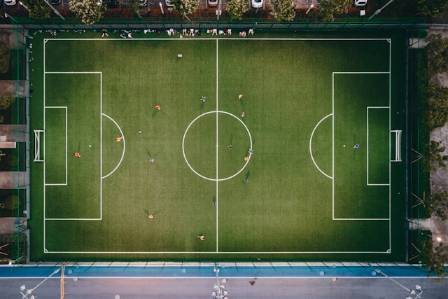
The Future of Soccer Stadiums in the U.S.: Innovation and Profitability
With the 2026 FIFA World Cup on the horizon, soccer's popularity in the United States is experiencing an unprecedented surge. In 2023, over 14 million people in the U.S. participated in outdoor soccer, and the U.S. Soccer Federation reported a record revenue of over $192 million in 2024, marking a 30% increase from the previous year. As more American kids join high school soccer teams, top players join European leagues, and soccer's U.S. fanbase expands, there is an increasing demand for world-class soccer venues across all levels — from high school to professional.
As the sport’s presence grows, so too does the need for better-designed, fan-centric venues that not only serve the players but also the communities and stakeholders surrounding them. From improving fan experiences to making venues more sustainable and multi-purpose, the design trends for soccer stadiums are evolving rapidly to cater to these changing demands.
Emerging Design Trends for Soccer Venues
Leading architectural firms like JCJ Architecture are at the forefront of these developments, focusing on creating flexible, sustainable, and community-oriented sports venues that elevate the game day experience. According to Christine O'Hare, Senior Project Manager at JCJ, the trend toward state-of-the-art facilities and amenities is growing. Strength and conditioning areas, sports performance spaces, and wellness-focused facilities are becoming central to modern stadium designs, with an emphasis on catering to both the physical and mental needs of athletes.
Key Design Innovations:
-
Sustainability: The adoption of LED lighting for its lower energy use, reduced toxicity, and longer lifespan is a key trend. Other sustainable elements include solar panels, geothermal heating and cooling, and organic infill turf for fields, which is both non-toxic and biodegradable.
-
Lightweight, Translucent Roofing: This reduces the structural load on the stadium while also cutting down on the need for artificial lighting, allowing for more natural light in the stadium.
-
Eco-friendly Materials: Architects are prioritizing water-conserving designs and locally sourced materials. In some cases, retrofitting old buildings for reuse rather than demolishing them is also gaining traction, supporting both sustainability and cost-efficiency.
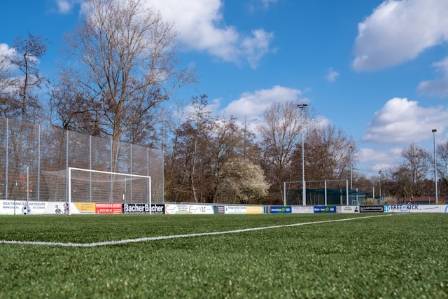
Multi-Use, Community-Centric Stadiums
Soccer stadiums are no longer just venues for sports events. They’re transforming into multi-use hubs that serve the community year-round. According to James LaPosta, Principal and Chief Architectural Officer at JCJ, the location of a stadium is key to maximizing its potential as a multi-use destination. Stadiums situated in urban, transit-accessible environments are ideally positioned to host a wide range of events, from fundraisers and festivals to concerts and community gatherings.
This multi-use functionality has led to an emphasis on socialization spaces over traditional, expensive VIP suites. As Peter Stevens, President of JCJ Architecture, notes, younger generations prefer spaces where they can mix and socialize in larger groups. These flexible club spaces are also viewed as revenue-generating assets, hosting events like school galas, corporate gatherings, and even bar mitzvahs.
Inclusivity and Personalization for Fans
Modern stadium designs aim to create a “wow” factor that ensures every fan has a memorable experience, whether they’re in the stands or the suites. As LaPosta explains, creating multiple tiers of premium experiences is key, whether it’s a club-level ticket that offers access to exclusive amenities or a more immersive VIP zone. Inclusivity extends beyond accessibility — it’s about making everyone feel like they belong, from families to first-timers, and even neurodiverse guests.
In addition to varied seating and premium experiences, sponsorship is becoming more embedded in the fabric of the venue itself. Branded tent suites, perimeter advertising, and jersey signage are just a few ways stadiums are integrating corporate branding into their identity, mirroring the European model of team and stadium branding.
The Digital Experience: Integrating Technology
As mobile phones shape the modern gameday experience, stadiums are integrating digital features that connect fans to the action. From real-time concession stand crowd monitoring to social media integration on jumbotrons, modern soccer venues are using technology to enhance convenience and personal engagement.
The integration of intuitive wayfinding systems, grab-and-go food zones, and interactive digital screens enables fans to navigate the stadium with ease, avoiding long lines and optimizing their experience. As O’Hare puts it, “The intersection of architecture and digital experience is about giving fans control, flexibility, and connection.”
The Path to Profitable Soccer Venues
The profitability of modern soccer stadiums lies in the ability to maximize revenue generation while enhancing the fan experience. By incorporating multi-purpose designs and advanced technologies, venues can host a variety of events throughout the year, ensuring steady revenue even during the off-season. Moreover, creating personalized experiences for fans can increase monetization opportunities, especially when paired with targeted branding and sponsorship strategies.
As soccer in the U.S. grows in prominence, high school, collegiate, and professional soccer venues that embrace these design trends will be well-positioned to capitalize on the sport's booming popularity. Future-focused, flexible designs that cater to both athletes and fans will be the key to long-term success in the evolving landscape of American soccer.
Conclusion: The Future of Soccer Venues in the U.S.
With the 2026 FIFA World Cup just around the corner, the demand for world-class soccer stadiums in the U.S. is expected to continue its upward trajectory. By embracing the latest trends in sustainable design, community integration, fan engagement, and multi-use functionality, soccer venues will not only serve the needs of the sport but will become valuable community assets, drawing in fans, sponsors, and players alike. These innovative, profitable designs will shape the future of American soccer, ensuring that the sport’s rise continues in the years to come.
संबंधित

hi
माइक्रो-स्केल मॉडलिंग: साधारण सामग्रियों से छोटे, जटिल संसारों का निर्माण कैसे करें

hi
फ्लेमिंगोस गुलाबी क्यों हैं? और अन्य फ्लेमिंगो तथ्य

hi
बॉर्न बाइक टूर्स बार्सिलोना आपको दुनिया के 10 सबसे बड़े साइकिलिंग इवेंट्स का टूर कराता है।

hi
इस गर्मी में समुद्र तट पर खेलने के लिए 3 खेल

hi
वर्ल्ड बीच डे: दुनिया के सबसे खूबसूरत बीच

hi