नोट
Safeguarding India’s Rice Legacy: Preventing the Disappearance of Ancient Grains
A silent revolution is unfolding across India’s agricultural landscape. India is home to a staggering 100,000 distinct rice varieties, each possessing a singular flavor profile and a deep-rooted history. Unfortunately, a significant portion of this genetic treasure is on the verge of extinction. We have reached a critical juncture where the decisions we make will determine whether these grains survive.
Helen Louise Parker
लेखक
मेटा
संदर्भ फील्ड नीचे उपलब्ध।
टाइप
पल्स नोट
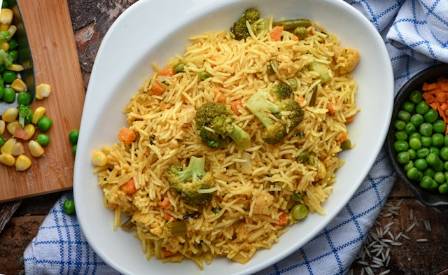
A silent revolution is unfolding across India’s agricultural landscape. India is home to a staggering 100,000 distinct rice varieties, each possessing a singular flavor profile and a deep-rooted history. Unfortunately, a significant portion of this genetic treasure is on the verge of extinction. We have reached a critical juncture where the decisions we make will determine whether these grains survive.
These varieties are far more than mere calories; they are living artifacts of our shared history and culture. This exploration delves into the vast diversity of Indian rice, the modern obstacles threatening its existence, and the dedicated efforts being made to ensure these grains remain a staple for future generations.
The Extraordinary Variety of Indian Rice
India’s relationship with rice is woven into its historical fabric. Varieties such as Basmati, Red Rice, and Black Rice do more than fill plates; they represent the country’s agricultural breadth and cultural sophistication. Currently, India maintains over 6,000 traditional rice varieties that have evolved over centuries to thrive in specific local climates and satisfy regional palates. As the world’s second-largest producer of rice—cultivating roughly 44 million hectares every year—maintaining this diversity is essential for global food security.
The Modern Hurdles to Biodiversity
The transition toward commercialized industrial farming has created significant challenges for rice heritage. By prioritizing high-yield, uniform crops, the agricultural industry has inadvertently caused a sharp decline in biodiversity. Many traditional types that once defined Indian farming are now becoming exceedingly rare.
This shift leads to "genetic erosion," a process where the gene pool of the species shrinks. When farmers rely on only a handful of varieties, the entire rice crop becomes more susceptible to devastating pests and diseases. Furthermore, climate change acts as a threat multiplier; as weather patterns grow increasingly erratic, the natural resilience found in diverse traditional grains becomes more necessary than ever.
Agricultural Innovation versus Ancestral Wisdom
While modern research has produced specialized varieties biofortified with protein or zinc to fight malnutrition, there is a powerful case for returning to traditional, organically grown options. Rather than relying solely on laboratory-engineered grains, we can look to the holistic benefits provided by heritage rice.
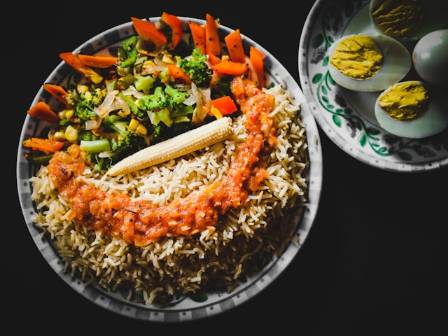
Many traditional varieties offer a natural spectrum of minerals and antioxidants. For instance, Poongar Rice is a notable source of calcium for bone strength. Varieties like Kaatuyanam and Karuppu Kavuni (Black Rice) are famous for their high antioxidant levels. Thooyamalli Rice supports general health, while Mappillai Samba is rich in fiber, which is vital for digestion. These grains offer a comprehensive nutritional profile that supports long-term wellness and sustainable health.
Global and Local Conservation Initiatives
Efforts to protect the genetic blueprints of rice are happening on both global and local scales. Seed banks function as "genetic libraries," storing thousands of samples to prevent total loss. Notable facilities like the Svalbard Global Seed Vault in Norway serve as a backup for the world’s food supply.
However, the true guardians of this heritage are the small-scale farmers in rural villages. They continue the difficult work of growing traditional rice, often for less profit than they would earn from commercial hybrids. These communities use ancestral knowledge to cultivate grains that are perfectly adapted to their environments. Supporting these farmers—by paying fair prices and promoting conservation programs—is the most effective way to ensure these traditions do not fade away.
The Strategic Importance of Heritage Preservation
The preservation of ancient rice varieties offers a wide array of benefits that touch every aspect of life:
-
Environmental Sustainability: Traditional grains usually require fewer chemical fertilizers and pesticides. Their natural resistance to local pests makes them a greener choice for the planet.
-
Superior Nutrition: These grains often surpass commercial varieties in vitamin and mineral content, contributing to a more balanced diet.
-
Cultural Identity: Saving these seeds preserves the flavors and culinary techniques passed down through generations.
-
Economic Opportunity: Cultivating rare rice allows farmers to access niche markets and can even encourage agro-tourism in rural regions.
-
Health Management: Certain traditional types have lower glycemic indices, making them excellent dietary choices for managing conditions like diabetes.
The Influence of Consumer Awareness
As a consumer, your purchasing power is a vote for the type of food system you want to see. When you choose a heritage variety, you are directly funding the preservation of that grain. Statistics from 2023 show a grim reality: nearly 70% of India's traditional rice varieties have already vanished from mainstream markets. Only about 15% are still being actively farmed, mostly in remote areas. By shifting demand toward sustainable and culturally significant grains, consumers can help reverse this decline and protect our agricultural inheritance.
Future Outlook for Traditional Grains
The survival of India’s rice heritage depends on our ability to integrate ancient wisdom with modern sustainability goals. It is projected that by 2030, the adoption of sustainable farming could increase the cultivation of traditional rice by as much as 40%.
Looking toward 2040, these varieties are expected to play a fundamental role in global food security, potentially increasing crop diversity in Indian agriculture by 25%. This vision isn't just about looking backward; it's about utilizing the genetic strength of the past to build a healthier, more resilient world for the future.
Conclusion
The path to saving India’s rice heritage is fraught with challenges, but it is an essential endeavor. It requires us to rediscover the value of biodiversity and recognize that our choices affect the planet's health and our cultural survival. We are currently at a crossroads: we can either watch these ancient grains disappear into history, or we can take a definitive stand to protect them for the generations that follow.
संबंधित

समुद्री पक्षी क्या है?

THE ULTIMATE BEDROOM REVOLUTION: 25 MIND-BLOWING DESIGN STYLES THAT WILL COMPLETELY TRANSFORM YOUR SLEEP SANCTUARY FOREVER!

The Heritage of Vietnamese Attire: A Study of Cultural Identity and Textile Artistry
नार्सिसस: दा डैफोडिल

5 Most Awe-Inspiring National Forests in the United States