नोट
The Heritage of Vietnamese Attire: A Study of Cultural Identity and Textile Artistry
Vietnam is a nation characterized by a profound historical narrative and a complex social mosaic. Its traditional costumes serve as more than mere apparel; they function as visual chronicles of the country's 54 officially recognized ethnic groups. These garments act as living artifacts that communicate social status, regional identity, and artistic evolution. From the globally recognized silhouette of the Áo Dài to the vibrant, hand-loomed textiles of the northern highlands, Vietnamese clothing reflects a meticulous preservation of heritage maintained across centuries of cultural exchange and modernization.
Oliver Grant Whitaker
लेखक
मेटा
संदर्भ फील्ड नीचे उपलब्ध।
टाइप
पल्स नोट
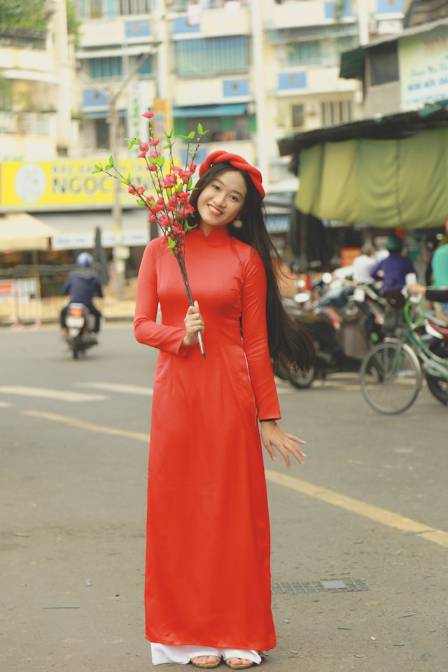
Vietnam is a nation characterized by a profound historical narrative and a complex social mosaic. Its traditional costumes serve as more than mere apparel; they function as visual chronicles of the country's 54 officially recognized ethnic groups. These garments act as living artifacts that communicate social status, regional identity, and artistic evolution. From the globally recognized silhouette of the Áo Dài to the vibrant, hand-loomed textiles of the northern highlands, Vietnamese clothing reflects a meticulous preservation of heritage maintained across centuries of cultural exchange and modernization.
The Symbolic Power and Evolution of Traditional Clothing
The significance of traditional dress in Vietnam is rooted in its ability to mirror the nation's shifting historical landscape. Indigenous styles have been continuously reshaped by Chinese dynastic influences, French colonial aesthetics, and contemporary global trends. Despite these external pressures, the core elements of Vietnamese dress remain tethered to deep-seated symbolism. For example, historically, the color gold was strictly reserved for the imperial family, while red remains the primary choice for weddings and the Lunar New Year (Tet) to signify luck and vitality.
In modern Vietnam, the preservation of these garments is a deliberate act of cultural maintenance. Institutions such as the Vietnamese Women’s Museum in Hanoi play a critical role in documenting these traditions. Today, designers frequently blend ancient techniques—such as indigo dyeing and batik—with modern cuts, ensuring that traditional motifs remain relevant for younger generations while supporting the economic livelihoods of rural artisans.
The Áo Dài: Vietnam’s Iconic National Garment
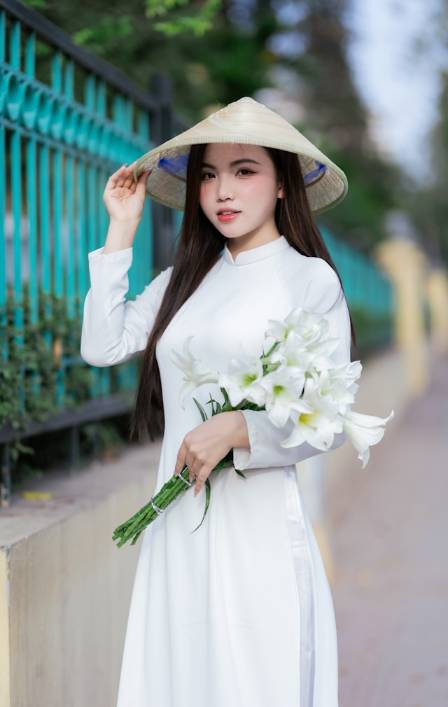
The Áo Dài, consisting of a long silk tunic worn over high-waisted, wide-legged trousers, is the most prominent symbol of Vietnamese grace. Its modern form emerged in the 1930s, evolving from the Áo Ngũ Thân (five-paneled gown) of the 18th century. Redesigned by artist Le Mur Nguyễn Cát Tường to follow the contours of the body more closely, it gained national prominence after being championed by Queen Nam Phương.
The construction of the Áo Dài is a balance of modesty and elegance. The long tunic features high side slits starting at the waist, allowing for ease of movement while maintaining a streamlined silhouette. While silk from traditional enclaves like Vạn Phúc remains the preferred material, contemporary versions utilize velvet, brocade, and chiffon. The garment is frequently paired with the Nón Lá, the iconic conical palm-leaf hat, creating an ensemble that is synonymous with Vietnamese national pride.
Regional Variations: From the Northern Delta to the Mekong
Beyond the national dress, Vietnam’s diverse geography has fostered distinct regional styles that reflect the local climate and lifestyle.
The Northern Áo Tứ Thân
In the northern regions, the Áo Tứ Thân (four-paneled gown) predates the Áo Dài as the standard attire for rural women. This ensemble typically includes an outer four-paneled tunic worn over an inner bodice (Yếm) and a long skirt. It is often associated with Quan Họ folk singing and is frequently paired with the Nón Quai Thao, a large, flat, circular hat.
The Southern Áo Bà Ba
The Mekong Delta region in the south favored the Áo Bà Ba for its practicality. This simple, collarless button-down shirt paired with loose trousers reflects the agricultural roots of the southern population. Usually made of silk or cotton, it remains a symbol of the resilience and straightforward nature of life in Vietnam’s "rice bowl."
The Textile Kaleidoscope of Ethnic Minorities
The most complex and visually striking examples of Vietnamese costume are found among the ethnic minority groups residing in the central and northern highlands.
-
Hmong Groups: Renowned for their mastery of hemp weaving and indigo dyeing. The Flower Hmong use vibrant appliqué, while the Black Hmong are distinguished by beeswax batik patterns and polished hemp that gives their clothing a unique metallic sheen.
-
The Red Dao: Recognizable by their striking red turbans and intricate silver embellishments. Their trousers are often embroidered with symbols depicting daily life and forest spirits.
-
The Thai and Tay: The Tay often wear understated indigo-dyed velvet, while the Thai people are known for the Pieu scarf and elegant, fitted blouses secured with silver butterfly-shaped buttons.
-
Cham and Khmer: Reflecting influences from Indian and Malay cultures, these groups often utilize the sarong or sampot. The Cham people are particularly known for their expertise in weaving bold geometric patterns into waistbands and scarves.
Traditional Craftsmanship and Modern Preservation
The creation of these garments involves highly specialized techniques passed down through lineages. Silk production remains a cornerstone of the industry, with villages like Vạn Phúc producing high-grade textiles for centuries. Other essential methods include Batik (wax-resist dyeing), Tkat (tie-dyeing), and intricate hand embroidery that can take months to complete for a single bridal outfit.
For contemporary visitors, engaging with this culture requires an appreciation of its etiquette. While tourists are welcome to wear the Áo Dài, it should always be worn with trousers to maintain cultural respect. At weddings, guests typically avoid red to ensure the focus remains on the couple. By visiting sites like the Museum of Ethnology or the silk villages of the Red River Delta, travelers can directly support the preservation of these "threads of time," ensuring that Vietnam's cultural tapestry remains vibrant in an era of rapid change.
संबंधित

सूरजमुखी के बारे में आपको जो कुछ भी जानना चाहिए - धरती पर सबसे खुशनुमा फूल

कैमरे में कैद किए गए सबसे खूबसूरत सूर्यास्त

How to Select the Ideal Lounge Chair
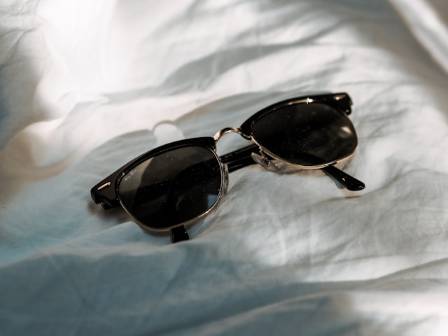
6 Essential Sunglasses Styles Every Beginner Should Know
3 Quick and Easy Blender Juices to Try Today