← वर्कस्पेस3 मिनट
नोट
Choosing the Right Pickup Truck: A Practical Buyer’s Guide
Choosing the right pickup truck is more than just selecting a favorite make or model—it’s about finding a vehicle that aligns with your daily needs, workload, and long-term plans. Today’s pickup market offers a diverse range of options, from light-duty trucks ideal for daily commuting to heavy-duty workhorses built for tough jobs. This practical guide breaks down the key factors to consider, helping you narrow down your choices and make an informed decision that fits your lifestyle and requirements.
C
Charlotte Wilson
लेखक
मेटा
संदर्भ फील्ड नीचे उपलब्ध।
टाइप
पल्स नोट

Introduction: Beyond Make and Model
Choosing the right pickup truck is more than just selecting a favorite make or model—it’s about finding a vehicle that aligns with your daily needs, workload, and long-term plans. Today’s pickup market offers a diverse range of options, from light-duty trucks ideal for daily commuting to heavy-duty workhorses built for tough jobs. This practical guide breaks down the key factors to consider, helping you narrow down your choices and make an informed decision that fits your lifestyle and requirements.
Start With Your Primary Usage
The first and most critical step in choosing a pickup truck is defining its primary role. Will it be used primarily for daily driving, such as commuting to work or running errands? Or will it handle heavy-duty tasks like hauling equipment, towing trailers, or transporting construction materials? Light-duty pickups (often labeled as ½-ton) are perfect for personal use and occasional light work, while heavy-duty trucks (¾-ton or 1-ton) are designed to handle consistent towing and high payload demands. By identifying your real-world usage, you can eliminate unnecessary features and focus on trucks that truly meet your needs.
Know Your Towing and Payload Requirements
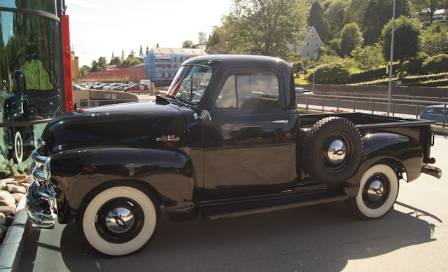
Towing capacity and payload ratings are non-negotiable factors when selecting a pickup truck. Towing capacity refers to the maximum weight the truck can safely pull, while payload is the weight it can carry in the cab and bed. It’s crucial to calculate the weight you’ll regularly transport—not just occasional loads—to avoid overworking the vehicle. Leading manufacturers like Ford, Chevrolet, and Ram offer a variety of configurations with varying capabilities, so it’s essential to match the truck’s specifications to your workload rather than choosing based on size alone.
Choose the Right Engine and Drivetrain
Modern pickup trucks offer a range of engine options, each tailored to different needs. Gasoline engines are ideal for lighter use, everyday driving, and those who prioritize lower upfront costs; they deliver smooth performance and are widely available for service. Diesel engines, on the other hand, excel in torque, making them perfect for heavy towing and long-term durability under heavy loads, though they often come with a higher initial price tag. Drivetrain selection is also key: four-wheel drive (4WD) is beneficial for off-road adventures, job sites with rough terrain, and seasonal weather like snow, while two-wheel drive (2WD) is sufficient for highway and urban driving, offering better fuel efficiency.
Consider Cab Size, Bed Length, and Comfort
Beyond performance, cab configuration and bed length directly impact the truck’s practicality for daily use. Crew cabs provide ample space for passengers, making them ideal for families or those who frequently carry coworkers, while extended cabs (with smaller rear seats) or regular cabs prioritize cargo space over passenger room. Bed length—typically short (5-6 feet) or long (6.5-8 feet)—determines how easily you can transport materials, equipment, or large items without relying on a trailer. Additionally, interior comfort, safety features (such as adaptive cruise control and collision warning), and technology (infotainment systems, smartphone integration) are important, especially for drivers who spend long hours behind the wheel.
Factor in Long-Term Ownership and Cost
A pickup truck is a long-term investment, so it’s essential to consider the total cost of ownership beyond the initial purchase price. This includes maintenance costs, fuel efficiency (critical for frequent drivers), availability of service centers, resale value, and financing flexibility. Exploring available inventory allows you to compare configurations side by side, while understanding financing options early can make the decision-making process smoother. For additional guidance on pickup configurations or capabilities, the Transwest team is available to help at (303) 289-3161.
Conclusion: Find Your Perfect Pickup
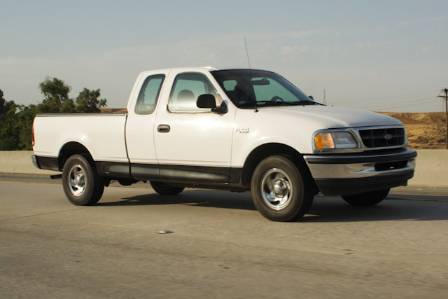
Choosing the right pickup truck requires balancing performance, practicality, and personal needs. By focusing on your primary usage, towing/payload requirements, engine/drivetrain options, cab/bed configuration, and long-term costs, you can narrow down the market to find a truck that works for you—whether it’s a light-duty commuter or a heavy-duty workhorse. With the right research and guidance, you’ll invest in a vehicle that supports your lifestyle for years to come.