नोट
The Ultimate Colour Guide for Painting Tigers
Tigers have always been among my favorite wildlife subjects. Over the years, I’ve painted so many tiger portraits that I’ve honestly stopped counting. When I first began exploring wildlife art, tigers were the animals I returned to again and again. Through plenty of experimentation—and plenty of mistakes—I gradually discovered several techniques that make painting these magnificent cats much easier.
Josephine Rivers
लेखक
मेटा
संदर्भ फील्ड नीचे उपलब्ध।
टाइप
पल्स नोट
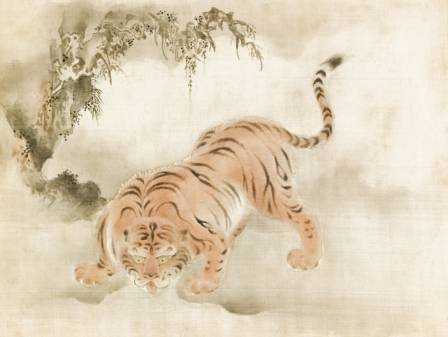
Tigers have always been among my favorite wildlife subjects. Over the years, I’ve painted so many tiger portraits that I’ve honestly stopped counting. When I first began exploring wildlife art, tigers were the animals I returned to again and again. Through plenty of experimentation—and plenty of mistakes—I gradually discovered several techniques that make painting these magnificent cats much easier.
One challenge every wildlife artist faces is selecting the right color palette. Realistic tiger paintings rely heavily on accurate color choices and subtle color variations. No matter whether I'm working in acrylics or oils, there are five colors that never leave my palette when painting a tiger.
Five Essential Colors for Tiger Paintings
The core colors I rely on are:
Burnt Umber
Burnt Sienna
Yellow Ochre
Black
White
These pigments form the foundation for creating realistic tiger fur, shadows, highlights, and markings. Understanding how to use them effectively can dramatically improve the quality of your wildlife artwork.
Understanding Tiger Colors
Most people immediately think of tigers as orange cats with bold black stripes. While that description is generally accurate, tiger coloration is far more complex than it appears.
Depending on the individual animal and subspecies, the coat can range from rich orange to golden-yellow tones. Some tigers appear brighter, while others display darker, earthier shades.
In addition to the orange coat, tigers also feature extensive areas of white fur around:
The face
The ears
The chest
The legs
The underside of the body
These lighter regions play a crucial role in creating contrast and realism.
Differences Between Tiger Subspecies
Several tiger subspecies display distinct color characteristics:
Bengal Tigers often represent the classic orange-and-black appearance.
Siberian (Amur) Tigers typically have slightly darker orange coats.
Sumatran Tigers tend to appear deeper brown and more muted in color.
Although the same palette can be used for all three, the proportions of each color mixture will vary depending on the animal being painted.
Why Tigers Have Stripes
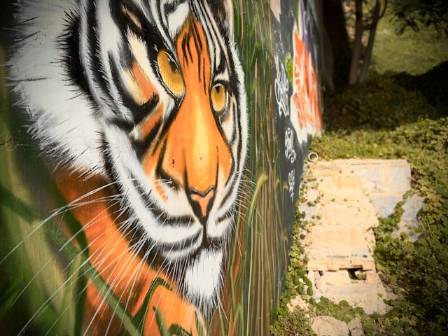
A tiger’s stripes are much more than decorative markings. In the wild, they serve as highly effective camouflage.
The combination of dark stripes and warm fur tones allows tigers to blend into tall grasses, forests, and dappled shadows. The striped pattern disrupts the animal’s outline, helping it remain hidden while stalking prey.
Interestingly, the stripe pattern extends beyond the fur itself. A tiger's skin is striped underneath the coat, and no two tigers share exactly the same markings.
Young cubs usually appear to have thicker stripes. As they grow, their bodies expand and the spacing between stripes increases, making the markings appear more spread out.
Essential Browns for Tiger Fur
Burnt Umber
Burnt Umber serves as an excellent foundation color. It provides a deep, rich brown that works beautifully as an underpainting or base layer.
Burnt Sienna
Burnt Sienna introduces the warm orange-brown tones that are crucial for tiger fur. It is particularly useful during the early fur-building stages and can be mixed with yellows and reds to create natural variation.
Raw Umber
Although not one of the five primary colors, I frequently include Raw Umber in my palette. Its cooler, less saturated appearance makes it ideal for shadow areas and glazing. The slight green undertone works exceptionally well in darker passages.
Using Yellow for Warmth and Light
Yellow Ochre
Yellow Ochre is one of the most valuable colors for tiger paintings. This earthy yellow combines beautifully with Burnt Sienna to create realistic orange fur tones.
Naples Yellow
Naples Yellow is reserved for the brightest highlights. When sunlight strikes the fur, this warm pale yellow helps create a convincing glow without appearing artificial.
Working with White
Many artists underestimate how much white fur appears on a tiger.
White is used throughout:
Around the muzzle
On the cheeks
Under the body
On the inner legs
On the ear markings
Rather than applying pure white directly from the tube, I prefer to tint it slightly with surrounding colors. This produces more natural-looking fur and prevents the painting from appearing flat.
The White Spots on Tiger Ears
Most tigers have distinctive white markings on the backs of their ears.
These markings are believed to function as false eyes, helping deter threats approaching from behind. Some researchers also suggest that tigers display these spots during aggressive encounters by turning their ears forward as a visual warning.
Using Black Effectively
Black is essential for establishing the tiger’s stripes, but surprisingly little pure black remains visible in the finished painting.
I typically use black during the initial blocking-in stage. As the painting develops, browns and other colors are layered into the stripes to create depth and realism.
In reality, tiger stripes rarely appear as solid black. They contain subtle variations of brown, gray, and warm shadow tones.
Useful Color Mixtures for Tigers
Burnt Umber + Black
This combination creates rich dark tones that work well for stripes illuminated by strong sunlight.
For cooler shadowed areas, Raw Umber mixed with Black often produces a more natural result.
Yellow Ochre + Burnt Sienna
One of the most reliable mixtures for realistic orange fur.
Equal parts often suit Bengal and Siberian Tigers.
More Burnt Sienna may be needed for darker Sumatran Tigers.
Burnt Sienna + Burnt Umber
Perfect for deeper orange-brown regions, especially around the nose and darker facial areas.
Yellow Ochre + Burnt Sienna + White
An excellent mixture for highlights. Adjust the amount of white according to the lighting conditions in your reference photo.
Common highlight areas include:
Facial edges
Chest fur
Belly
Legs
Painting White Tigers
White Tigers are a rare variation of the Bengal Tiger caused by a genetic mutation that reduces orange pigmentation.
While they appear white with dark stripes, painting them requires more than simply using black and white paint.
The stripes often contain:
Brown undertones
Soft gray passages
Warm shadow colors
To increase realism, introduce subtle washes of:
Green
Yellow
Earth tones
These colors mimic reflections from the surrounding environment and prevent the white fur from appearing lifeless.
Environmental reflections are especially important when painting white animals because they help integrate the subject into its surroundings.
Painting Golden Tigers
Golden Tigers are another rare genetic variation, usually found only in captivity.
Compared with standard tigers, they display:
Much lighter fur
Pale brown striping
Increased amounts of white fur
When painting Golden Tigers, pay close attention to reflected colors within the white areas and use softer, lighter versions of your standard tiger palette.
Key Takeaways
When creating realistic tiger artwork, remember these important principles:
Keep Burnt Umber, Burnt Sienna, Yellow Ochre, Black, and White on your palette.
Different tiger subspecies require slightly different color mixtures.
Tiger fur contains many shades of orange and brown rather than one flat color.
Use pure black and pure white sparingly for a more natural appearance.
Introduce warm brown tones into black stripes to create depth and realism.
With careful observation and thoughtful color mixing, you can capture the beauty, power, and character that make tigers such extraordinary subjects for wildlife art.
संबंधित

अपने स्वाद के लिए आदर्श फ्रोजन ट्रीट का चयन: एक पेशेवर गाइड

दुनिया भर में टॉप 3 बेहतरीन आलू चिप ब्रांड्स
The Art of the Feline Finesse: A Guide to Proper Cat Petting
कैमरे में कैद किए गए सबसे खूबसूरत सूर्यास्त

दुनिया के 8 बेहतरीन वन गृह