← वर्कस्पेस4 मिनट
नोट
The Art of the Feline Finesse: A Guide to Proper Cat Petting
Petting a cat seems intuitive, but for those unfamiliar with feline body language—including children or new cat owners—knowing the right technique is crucial. Incorrect petting, such as touching sensitive areas or using too much force, can agitate a cat, leading to bites or scratches. The golden rule: let the cat dictate the interaction. Focus on areas where cats have scent glands; petting these spots helps them mark their territory and feel secure. Mastering where to touch—and where to avoid—ensures a pleasant bonding experience for both of you.
D
Damon Hunter
लेखक
मेटा
संदर्भ फील्ड नीचे उपलब्ध।
टाइप
पल्स नोट
Petting a cat seems intuitive, but for those unfamiliar with feline body language—including children or new cat owners—knowing the right technique is crucial. Incorrect petting, such as touching sensitive areas or using too much force, can agitate a cat, leading to bites or scratches. The golden rule: let the cat dictate the interaction. Focus on areas where cats have scent glands; petting these spots helps them mark their territory and feel secure. Mastering where to touch—and where to avoid—ensures a pleasant bonding experience for both of you.
Part 1: Focus on Scent-Gland Hotspots
Cats have scent glands concentrated in specific areas. Spreading their scent makes them feel happy and safe in their environment.
-
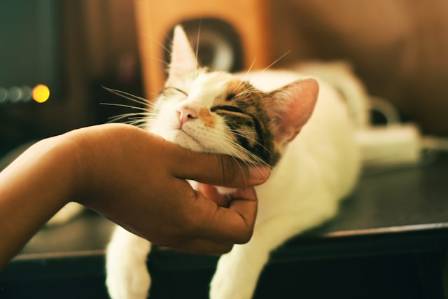
The Chin Scratch: Begin by gently rubbing the chin, particularly where the jawbone meets the skull. Use your fingertips or nails softly. If the cat pushes into your hand or juts out its chin, it’s a clear sign of enjoyment.
-
The "Magic" Spot Behind the Ears: Use your finger pads to apply gentle pressure at the base of the ears. This is a prime scent-marking zone. If the cat bumps its head against you (a behavior called "bunting"), it is marking you as a trusted companion.
-
The Cheek Massage: Stroke the cheeks just behind the whiskers. A cat that enjoys this may rotate its whiskers forward, signaling for more.
-
The Facial Sweep: Once the cat is relaxed, gently run the back of your hand along the side of its face. Transition to stroking the "mustache" area with your middle finger while your thumb circles the top of the head.
-
The Head-to-Tail Stroke: Pet from the forehead to the base of the tail in one continuous, slow motion. Always move in the direction of the fur growth (head to tail). Avoid back-and-forth motions, which many cats dislike.
-
Reading the Signs: If the cat arches its back into your hand, it wants more pressure. If it rubs its forehead against you, it’s encouraging you to continue. Stop immediately if the cat flattens its ears, cowers, or walks away.
-
The Tail Base Caution: Some cats enjoy a gentle scratch at the base of the tail (another scent gland area), but others may suddenly nip when overstimulated. Proceed with extreme caution.
-
Part 2: Let the Cat Initiate
Control should always remain with the cat. Forcing an interaction is a recipe for disaster.
-
The Sniff Test: Always extend a hand and let the cat sniff your knuckles first. This allows them to get comfortable with your scent. If they ignore you or stare suspiciously, abort the mission. If they sniff, meow, and rub against you, they are inviting contact.
-
The Head Bump Invitation: If a cat bumps its head against your hand, it’s a clear request for attention. Acknowledge it with at least a brief pet.
-
Lap Etiquette: If a cat jumps into your lap and lies down, assess its mood. If it fidgets, it may just want your warmth, not a petting session. If it settles, you can proceed with light strokes on the spine.
-
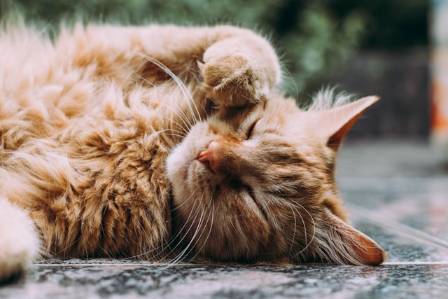
Side-Stroke Relaxation: Cats often enjoy being petted when lying on their side. Lightly stroke the exposed flank. Purring or soft meows usually indicate contentment. (Warning: Avoid the belly—see Part 3).
-
Decoding Communication:
-
Purring: Generally indicates a desire for social contact. Louder purrs typically signify higher levels of happiness, but excessively loud purring can sometimes precede irritation.
-
Subtle Warnings: Watch for ear flattening, tail twitching, fidgeting, growling, or hissing. These are clear signals to stop petting immediately to avoid a bite or scratch.
-
Part 3: Critical Areas to Avoid
Knowing what not to touch is as important as knowing what to touch.
-
Direction Matters: Never stroke backwards against the fur or switch directions abruptly. Always go from head to tail.
-
Avoid Patting: Unlike dogs, most cats dislike firm patting. Stick to smooth, flowing strokes.
-
The Belly Trap: A cat exposing its belly is a sign of trust, not necessarily an invitation to touch. The stomach is a highly vulnerable area. Touching it can trigger a defensive reaction, often mistaken for playfulness. If a cat grabs your hand with its claws and bites, it’s engaging in "rough play" or defending itself—not cuddling. If grabbed, stay still to allow the cat to release, or gently pull the paw back to unhook claws.
-
Paws with Caution: Approach the feet only if you know the cat well. Many cats dislike having their paws handled. Introduce touch slowly, rewarding calm behavior, especially if you aim to train them for nail trimming. Stop immediately if the cat pulls away or shows discomfort.
Pro Tip: If a cat allows you to pet its paws or belly without issue, you have earned a high level of trust. For most cats, however, respecting these boundaries is key to a harmonious relationship.