नोट
The Rise of Urban Cable Cars
Once seen mainly as tourist attractions, cable cars are increasingly emerging as a practical and eco-friendly form of urban transport, writes Len Williams.
Owen Jackson White
लेखक
मेटा
संदर्भ फील्ड नीचे उपलब्ध।
टाइप
पल्स नोट
Once seen mainly as tourist attractions, cable cars are increasingly emerging as a practical and eco-friendly form of urban transport, writes Len Williams.
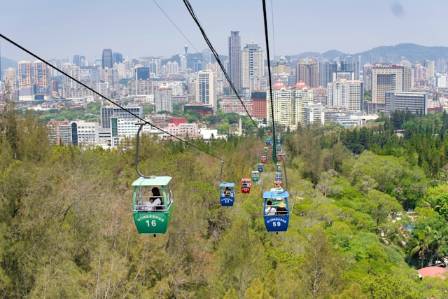
In 2004, the Colombian city of Medellín became the first in the world to fully integrate a cable car system into its metro network. Since then, many cities have adopted similar systems, attracted by their low cost, sustainability, and ability to move people efficiently over difficult terrain.
From Isolation to Connection
Medellín, once associated with high crime rates, is built in a steep valley where poorer hillside communities were historically cut off from job opportunities in the city center due to difficult travel conditions. The introduction of the MetroCable system in 2004 helped link these neighborhoods with the wider urban transport network, and it is widely credited with improving mobility and contributing to a reduction in crime.
Following Medellín’s example, cities such as Caracas, Constantine, Nizhny Novgorod, and even New York City have explored or implemented urban cable car systems to address transport challenges in densely built or geographically complex areas.
Why Cities Are Turning to Cable Cars
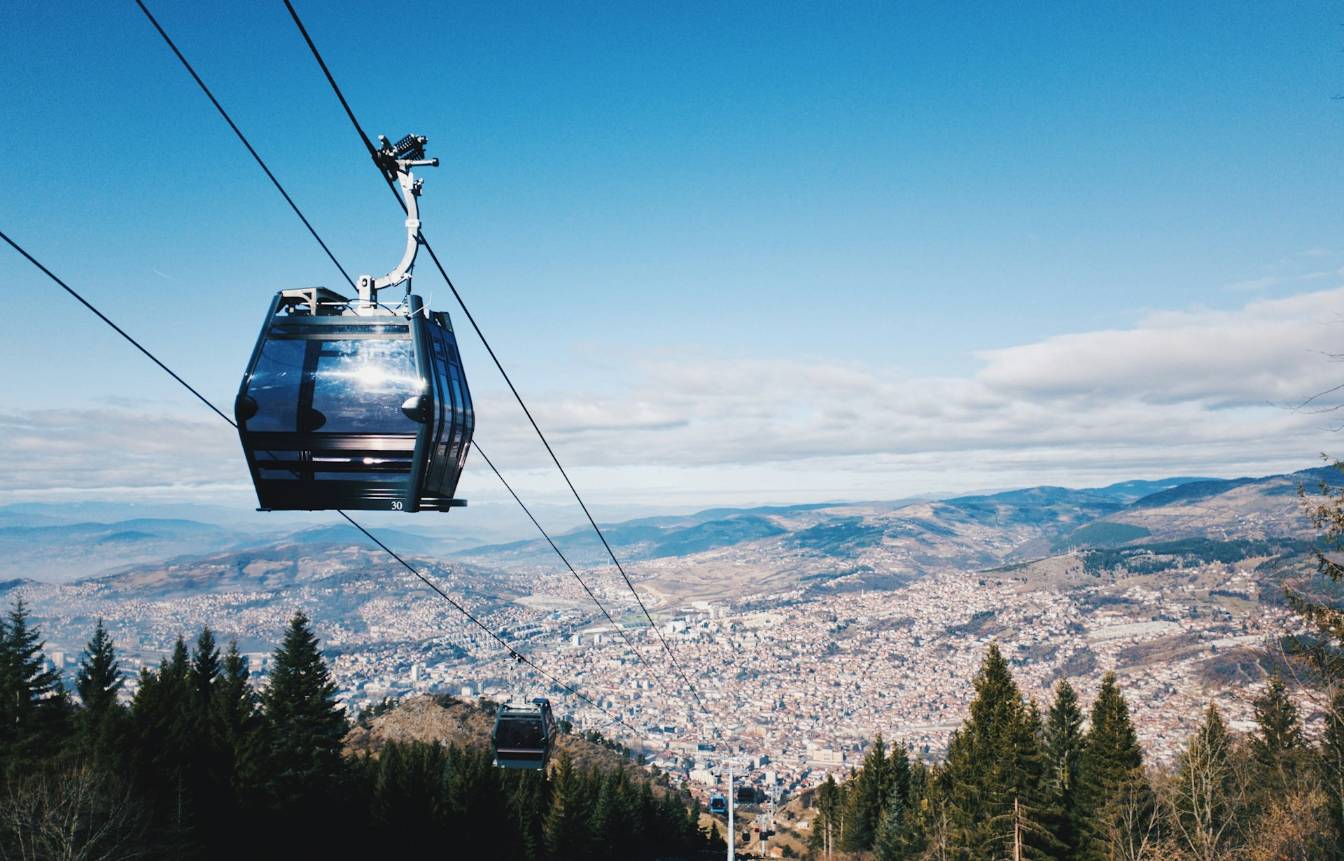
Urban cable cars, also known as gondola systems, are especially useful for crossing rivers, steep hills, and other difficult terrain where traditional infrastructure like roads, bridges, or rail lines would be expensive or impractical. They are quiet, produce no direct emissions, and are generally cheaper and faster to construct than many other forms of mass transit.
They also help reduce traffic congestion while offering commuters a more direct and often more scenic journey. A typical system covers short-to-medium distances, with stations spaced closely enough to serve local communities efficiently. Depending on the city, a single line can transport thousands of passengers per day.
How the Technology Works
Most systems use a continuously moving steel cable looped between stations. Gondola cabins attach to the cable, detach automatically at stations for boarding and unloading, and then reattach for continued travel. Speeds typically range between 10–20 km/h, making them a steady but reliable commuting option.
Expanding Around the World
One of the most extensive systems is in La Paz, where the Mi Teleférico network stretches over 16 km and serves as a major part of the city’s public transport system, with multiple lines and dozens of stations carrying large daily passenger volumes.
Other notable examples include the cable car in Ha Long City, which offers panoramic views over Ha Long Bay and holds records for its engineering scale, including extremely tall pylons and high-capacity cabins.
As interest grows globally, cities such as Gothenburg, Jerusalem, and Chicago are considering or developing their own systems.
While often associated with scenic rides, modern cable cars are increasingly being recognized as serious urban infrastructure—capable of reshaping how cities move people in the future.