नोट
Color Block Painting Guide for Beginners
Color block painting is an art style that focuses on large, bold sections of color. Instead of realistic detail, this style uses simple shapes and emphasizes how colors interact with each other. Popular in both abstract and minimalist art, color block painting is an excellent starting point for beginners. Its simplicity allows artists to focus on understanding color, composition, and brush techniques without worrying about exact realism.
Morgan Vale
लेखक
मेटा
संदर्भ फील्ड नीचे उपलब्ध।
टाइप
पल्स नोट
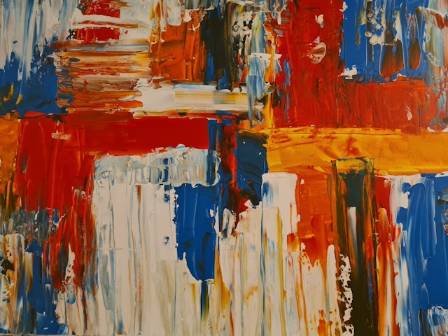
Color block painting is an art style that focuses on large, bold sections of color. Instead of realistic detail, this style uses simple shapes and emphasizes how colors interact with each other. Popular in both abstract and minimalist art, color block painting is an excellent starting point for beginners. Its simplicity allows artists to focus on understanding color, composition, and brush techniques without worrying about exact realism.
The beauty of color block painting is that it creates striking visuals with relatively simple methods. Clean edges and solid colors make it easy to bring design ideas to life. It also encourages experimentation with different color combinations and the emotions they evoke. Beginners can explore freely without feeling overwhelmed, making it an ideal style for developing artistic confidence.
Understanding Color Theory
Knowing the basics of color theory is key for successful color block painting. Color theory explores how colors relate, their emotional effects, and how they combine.
The Color Wheel: A visual guide showing the relationship between colors.
Primary Colors: Red, blue, and yellow – the base colors that cannot be mixed from others.
Secondary Colors: Green, orange, and purple – created by mixing two primary colors.
Tertiary Colors: Formed by mixing a primary color with a secondary color.
Color harmonies help create visually pleasing combinations:
Complementary colors: Opposites on the color wheel (e.g., red and green).
Analogous colors: Next to each other on the wheel (e.g., blue, blue-green, green).
Triadic colors: Three colors evenly spaced around the wheel.
Colors also carry emotional meaning: blue can feel calm, while red may evoke energy or passion. Using these effects thoughtfully allows your painting to connect with viewers on a deeper level.
Essential Materials
To start color block painting, you need just a few items:
Acrylic paint: Easy to use, dries quickly, and beginner-friendly. Start with a student-grade set, then move to artist-grade paints as you improve.
Brushes: Flat brushes work best for smooth, even strokes. Having a few sizes helps with precision. Synthetic brushes are affordable and easy to clean.
Canvas or surface: Stretched canvas, canvas boards, or heavy-duty paper are all suitable. Make sure your surface is primed for best results.
Masking tape: For sharp, clean edges. High-quality painter’s tape helps prevent paint from bleeding.
Techniques for Smooth, Clean Color Blocks
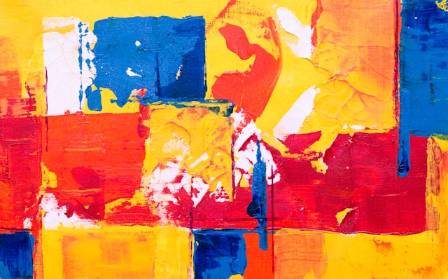
Prepare the Surface: Ensure your canvas is dust-free and primed. A thin layer of gesso creates a smooth painting surface.
Plan with Tape: Sketch your lines lightly with a pencil and apply masking tape carefully to prevent paint bleed. Press the tape down firmly.
Apply Paint: Use appropriate brush sizes for each block. Apply paint in smooth strokes, avoiding overloading the brush. Multiple coats may be needed for opacity—let each coat dry before applying the next.
Remove Tape: Wait until the paint is fully dry. Peel slowly at a 45-degree angle. Touch up any bleed marks with a fine brush.
Composition Tips
Design matters in color block painting. Consider:
Balance: Symmetrical arrangements feel stable; asymmetrical ones feel dynamic.
Proportion: Varying block sizes creates visual interest and hierarchy. Tools like the rule of thirds can help.
Negative Space: The empty areas between blocks define shapes and prevent clutter.
Experiment with sketches before starting your final painting. Think about the mood you want and plan your color blocks accordingly.
Exploring Styles and Techniques
Color block painting can take many forms:
Hard-Edge Abstraction: Sharp, precise lines and smooth, uniform colors. Masking tape and careful brushwork are essential.
Geometric Patterns: Repetitive shapes like grids or tessellations. Rulers, compasses, or stencils help maintain accuracy.
Overlapping Colors: Slightly blending colors at edges can add depth and dimension. Transparent paints work well here.
Textured Blocks: Impasto or mixed media can add tactile interest and contrast with smooth color areas.
Experimenting with different techniques helps you find your own style and adds personality to your work.
Color block painting is simple in concept but offers endless opportunities for creativity. By mastering color theory, planning your composition, and practicing clean application techniques, beginners can create bold, expressive, and visually captivating artwork.
संबंधित

The Shocking End of the Hindenburg and the Airship Era
स्कैंडिनेविया से बिग सुर तक: दुनिया के आठ बेहतरीन बीच हाउस

वियतनामी परिधान की विरासत: सांस्कृतिक पहचान और वस्त्र कला का एक अध्ययन
पुष्प चित्रकला के लिए एक शुरुआती मार्गदर्शिका: छह सरल चरण

16 Stunning Thanksgiving Decor Ideas to Impress Your Guests