There’s a timeless allure to a perfectly crafted matcha chiffon cake—its texture so light and fluffy it mimics a wisp of green cloud, while the earthy, umami-rich notes of matcha weave through every bite, balanced by the silky smoothness of matcha-infused whipped cream. This isn’t just a dessert; it’s a love letter to Asian bakery traditions, blending simplicity with intentionality to create a treat that feels both comforting and sophisticated. I’ve waited years to share this recipe, as it’s been a personal favorite and one of my most requested creations—born from my days of long, creative test sessions at TuCha in Los Angeles, where I sought a cake that married the homey warmth of the Asian bakery treats I grew up with in Sydney with the refined touch needed for a café counter. After several iterations to nail the ideal balance of airiness and matcha depth, it’s now my go-to when I crave quiet comfort after a busy day in the kitchen: simple, soothing, and steeped in nostalgia. By popular demand, this version is scaled up to an 8-inch pan (a upgrade from the original 6-inch), making it perfect for sharing with loved ones.
Why This Matcha Sponge Cake Stands Out
What makes this matcha cake truly special is its ability to feel luxurious without being overly complicated. Unlike dense cakes that weigh you down, this chiffon is light as air—cotton-soft and tender, with a subtle sweetness that lets the matcha’s natural flavor shine. It’s calm and fragrant, a dessert that doesn’t demand attention but quietly captivates with its balanced flavors and elegant appearance. The matcha adds a unique depth: not bitter, but earthy and slightly grassy, complemented by the creamy, barely-sweet whipped cream that melts on the tongue. Whether you’re a matcha enthusiast or new to the flavor, this cake offers a approachable introduction to its versatility—familiar enough to feel comforting, yet distinct enough to feel special. Adapted from my popular mango sponge cake, this 8-inch version addresses countless requests for a larger, shareable size, without compromising on the texture that made the original so beloved.
At-a-Glance: Key Details to Plan Ahead
Before diving into baking, it’s helpful to map out the essentials to ensure a smooth process. This recipe yields one 8-inch matcha chiffon cake, with a prep time of 30 minutes and a cook time of 70 minutes, placing it at an intermediate difficulty level—ideal for home bakers looking to level up their skills without taking on an overwhelming project. Storage is straightforward: the frosted cake keeps well in an airtight container in the refrigerator for up to 3 days, though it’s best enjoyed fresh to savor the delicate texture of the sponge and cream. A crucial note: since the frosting is made with fresh whipped cream, the cake must stay chilled when not being served to prevent melting and maintain its structure.
Main Ingredients: The Non-Negotiable Foundations
The success of this cake hinges on high-quality, well-chosen ingredients—each plays a critical role in creating the signature texture and flavor, so cutting corners here will compromise the final result. Eggs are the backbone of the fluffy, cotton-soft crumb: separating them carefully is non-negotiable, as clean, dry bowls for the egg whites ensure a stable meringue that won’t deflate. Whole milk adds essential moisture, keeping the crumb tender and rich—skip skim milk, as it will result in a drier, less luxurious texture. Vegetable oil contributes to the cake’s lightness and ensures it stays soft even after chilling; its neutral flavor lets the matcha take center stage. Cornstarch is the secret to the cake’s “airy bounce,” adding tenderness without heaviness, while all-purpose flour provides just enough structure to hold the cake together. Finally, matcha powder is the star: opt for high-quality culinary or ceremonial grade. Cheap matcha tends to be bitter, dull in color, and gritty, while a premium blend offers a smooth, vibrant green hue and a nuanced, earthy flavor that elevates the entire cake.
Optional Extras: Add a Touch of Magic
While the base recipe is exquisite on its own, a few optional additions can take it to the next level, adding layers of flavor and visual appeal. White chocolate chips (preferably high-quality, with a high cocoa butter content) folded gently into the batter melt slightly during baking, creating pockets of creamy sweetness that complement the matcha’s earthiness. Yuzu or lemon zest—finely grated, with no bitter white pith—adds a bright, citrusy lift that cuts through richness and enhances the matcha’s complexity. Fresh berries, such as raspberries or sliced strawberries, layered between the cake tiers add a pop of color and a tangy contrast to the sweet cream and sponge. For the frosting, a drop of pure vanilla extract adds a subtle warmth, giving the matcha whipped cream a soft, ice-cream-like finish that’s utterly irresistible. These extras are easy to incorporate and let you customize the cake to suit your taste or the occasion.
Substitutions: Smart Swaps for Dietary Needs
Don’t let dietary restrictions or missing ingredients stop you from making this cake—these swaps work beautifully while preserving the core flavor and texture. For a plant-based version, oat or soy milk are excellent alternatives to whole milk, though the crumb will be slightly denser (opt for unsweetened varieties to avoid overpowering the matcha). Canola or sunflower oil can replace vegetable oil seamlessly, as they have a similar neutral flavor and smoke point. For vegans, aquafaba (the brine from a can of chickpeas, strained and chilled) whipped to stiff peaks is a surprisingly effective substitute for egg whites—while the cake will be denser, it still boasts rich matcha flavor. Gluten-free bakers can swap all-purpose flour with a 1:1 gluten-free flour blend (look for blends with xanthan gum to maintain structure), but be gentle when handling the batter to avoid deflating the air pockets.
Step-by-Step: Crafting the Cotton-Soft Sponge
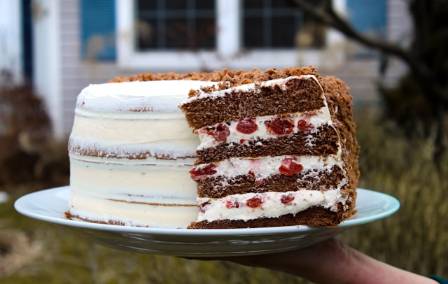
Creating the perfect matcha chiffon cake requires precision and gentle handling—follow these steps to achieve that cloud-like texture. Start by preheating your oven to 160°C fan-forced (or 180°C conventional) and lining the bottom of an 8-inch chiffon cake tin with parchment paper—do not grease the sides, as the cake needs to cling to the tin to rise properly. In a medium bowl, whisk together the egg yolks, whole milk, vegetable oil, and cornstarch until smooth and well combined. Sift the all-purpose flour and matcha powder into the yolk mixture (sifting twice ensures no clumps and even distribution) and whisk gently until just combined—overmixing will lead to a dense, rubbery cake. In the bowl of a stand mixer fitted with a whisk attachment (or using a hand mixer), whip the egg whites on medium speed until frothy, then gradually add the granulated sugar and whip on high until stiff peaks form—peaks that stand upright when the whisk is lifted, with no drooping. Fold the meringue into the yolk mixture in three additions: use a spatula to cut through the center, scrape along the bottom, and fold over the top in a gentle, sweeping motion. This preserves the air in the meringue, which is key to the cake’s height and fluffiness. Transfer the smooth, airy batter to the prepared tin, then tap the tin gently on the counter to release any large air bubbles. Fill a larger baking tray with 1cm of boiling water and place the cake tin inside—this water bath ensures gentle, even baking, preventing the cake from drying out or cracking excessively. Bake for 70 minutes, or until the cake springs back when lightly pressed in the center. Once baked, transfer the cake to a cooling rack and let it cool completely (about 1 hour) before running a knife around the edge of the tin and inverting it to release the cake. Wrap the cooled sponge tightly in cling wrap and chill in the refrigerator for at least 1 hour (or overnight) to make slicing easier during assembly.
Making the Matcha Whipped Cream & Assembly
The frosting is the perfect complement to the light sponge—creamy, subtly sweet, and infused with matcha to tie the flavors together. To make it, chill a mixing bowl and whisk attachment in the freezer for 10 minutes (cold equipment helps the cream whip faster and stay stable). Combine the thickened cream and granulated sugar in the chilled bowl, then sift in the matcha powder (sifting prevents clumps) and whisk on medium speed until medium-stiff peaks form—stop as soon as the peaks hold their shape, as overwhipping will make the cream grainy. Reserve the cream in the refrigerator until ready to assemble. When assembling, use a serrated knife to cut the chilled sponge into three equal layers—chilling the cake firms it up, making clean, even slices easier. Place the bottom layer on a turntable (or a flat plate) and spread a thin, even layer of matcha whipped cream over the top, leaving a small border around the edges to prevent oozing. Add the second layer and repeat the cream spread, then place the final layer on top. Use an offset spatula to apply a thin “crumb coat” of cream over the entire cake—this traps any loose crumbs and creates a smooth base. Chill the cake for 15 minutes to set the crumb coat, then apply the remaining cream in a thicker layer, spinning the turntable as you go to create a smooth finish. Transfer any leftover cream to a piping bag fitted with a star tip and pipe a decorative border around the top and bottom edges of the cake. Dust the top lightly with matcha powder for an extra pop of color and flavor, then chill the cake for 1-2 hours to set before serving.
Troubleshooting: Fixes for Common Baking Hiccups
Even experienced bakers can run into issues, but these quick fixes will help you rescue your matcha cake. If the cake deflates after baking, it’s likely underbaked or exposed to too much steam—try baking it for 5-10 minutes longer, or reduce the depth of the water bath to let excess moisture escape. Grainy whipped cream is almost always due to overbeating or warm equipment: stop whisking at medium-stiff peaks, and keep the cream, bowl, and whisk chilled throughout the process. A dull green color indicates the matcha was burned or oxidized—use a moderate oven temperature, and “bloom” the matcha in 1 teaspoon of warm (not boiling) water before adding it to the batter to unlock its vibrant hue and aroma. A rubbery texture comes from overmixed batter or weak meringue: fold the meringue gently, and ensure the egg whites reach stiff peaks before combining. If the cake sticks to the pan, remember that greasing the sides prevents the cake from clinging and rising—always use an ungreased aluminum chiffon pan for the best lift.
How It Stacks Up: Comparing Matcha Desserts
This matcha chiffon cake occupies a sweet spot between other popular matcha desserts, each with its own unique appeal. Unlike matcha roll cakes— which are spongier, creamier, and rolled for portability (perfect for tea parties or picnics)—this chiffon offers a lighter, airier texture and a more pronounced matcha flavor that isn’t overshadowed by excessive cream. Matcha cheesecakes, on the other hand, are dense, rich, and packed with deep matcha tones (ideal for special occasions or cozy dessert nights), while this cake is elegant yet calming, suitable for everyday indulgence or casual gatherings. The key difference lies in texture: this chiffon is delicate and cloud-like, while roll cakes are more substantial and cheesecakes are creamy and dense—each has its place, but this recipe shines when you want something refined yet not overwhelming.
Pro Tips for Perfect Matcha Cake Every Time
Elevate your baking with these expert tips, honed from years of testing. First, bloom the matcha: whisk 2 tablespoons of matcha powder with 1 teaspoon of warm water until smooth before adding it to the batter—this step rehydrates the matcha, unlocking its vibrant color and reducing any bitterness. For stable whipped cream, chill your bowl and whisk for 10 minutes before use—cold equipment helps the cream build structure faster and stay silky smooth longer. When folding the meringue, use a soft, sweeping motion to preserve air pockets—aggressive mixing collapses the bubbles that give the cake its fluffiness. Bake in an ungreased aluminum pan and cool upside down: the pan’s texture helps the cake cling and rise, while inverting it as it cools prevents collapse and maintains height. Sift dry ingredients twice: matcha tends to clump, so sifting the flour and matcha twice ensures a lump-free batter and even color distribution. Finally, use an oven thermometer: ovens vary in temperature, so placing the cake on the middle rack and verifying the heat with a thermometer ensures even baking and a perfectly risen cake.
Unique Variations to Customize Your Cake
This recipe is incredibly versatile—these variations let you put your own spin on it. For a richer, more elegant finish, replace the whipped cream with white chocolate matcha ganache: melt 200g of white chocolate with 100ml of heavy cream, stir in 1 tablespoon of sifted matcha powder, and let it cool until thick enough to spread. For a bright, citrusy twist, spread a thin layer of yuzu curd or lemon cream between the cake layers—the tartness cuts through the matcha’s earthiness beautifully. For a portable version, bake the batter in a jelly roll pan, then roll it up with matcha whipped cream and fresh strawberries, inspired by Japanese roll cakes. For a moist, indulgent treat, try a matcha tres leches-style cake: bake the sponge, then soak it lightly with a mixture of 100ml condensed milk, 100ml evaporated milk, 100ml whole milk, and 1 tablespoon of matcha powder, then top with matcha whipped cream. For vegans, use aquafaba instead of egg whites and oat milk instead of dairy—while the texture is denser, the matcha flavor remains rich and satisfying.
Serving Suggestions for Every Occasion
This matcha chiffon cake adapts beautifully to any setting, with serving suggestions tailored to different moments. For a sophisticated afternoon tea, serve thin slices alongside a pot of jasmine or sencha tea—the floral notes harmonize with the matcha’s earthy sweetness, creating a balanced pairing. On warm summer days, chill the cake for 2 hours before serving; the cool, creamy frosting provides a refreshing contrast to the heat. For elegant occasions like birthdays or anniversaries, dust the top with extra matcha powder and garnish with pastel edible flowers or a light dusting of gold leaf, turning the cake into a stunning centerpiece. In winter, warm each slice briefly in a 150°C oven for 5 minutes, then drizzle with sweetened matcha syrup (1 tablespoon matcha powder mixed with 2 tablespoons honey and 1 tablespoon hot water) or condensed milk—the gentle warmth deepens the matcha’s aroma and creates a cozy, comforting treat. For a balanced, indulgent pairing, serve cake slices with a small parfait of Greek yogurt, honey-macerated berries, and toasted almonds.
Common Mistakes to Avoid
Steer clear of these pitfalls to ensure baking success. Skipping sifting the matcha powder is a major mistake—clumps will mar the cake’s texture and appearance, so always sift it into the batter and frosting. Over-whipping meringue or cream can ruin the cake: stop whipping the meringue at stiff peaks (any further and it will become grainy and break), and the cream at medium-stiff peaks (overwhipping leads to butter-like curdling). Folding too aggressively collapses the air pockets in the meringue, resulting in a dense, flat cake—use gentle, sweeping motions to maintain loft. Greasing the chiffon pan is a 大忌: the cake needs to cling to the sides to rise, so always use an ungreased aluminum pan. Finally, overbaking or baking at too high a temperature can brown the cake and mute its vibrant green color—stick to the recommended 160°C fan-forced temperature, and check for doneness by pressing the center (a gentle spring means it’s ready).