नोट
Chinese Sweets and Treats: A Comprehensive Overview
Exploring the world of Chinese confectionery reveals a vast landscape of flavors and textures. Whether you are preparing for a celebratory gathering or simply curious about traditional flavors, this collection of over eighty desserts offers a deep dive into the culinary heritage of China. These items are organized by their primary ingredients—ranging from legumes and rice to fruits and dairy—to help you navigate the diverse options available in Chinese dessert culture.
Lily Margaret Blackwell
लेखक
मेटा
संदर्भ फील्ड नीचे उपलब्ध।
टाइप
पल्स नोट
Exploring the world of Chinese confectionery reveals a vast landscape of flavors and textures. Whether you are preparing for a celebratory gathering or simply curious about traditional flavors, this collection of over eighty desserts offers a deep dive into the culinary heritage of China. These items are organized by their primary ingredients—ranging from legumes and rice to fruits and dairy—to help you navigate the diverse options available in Chinese dessert culture.
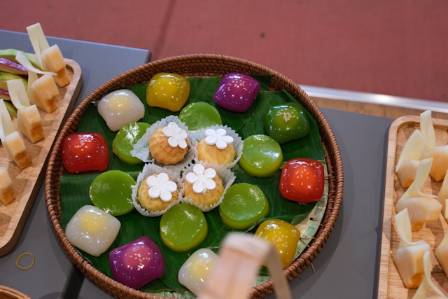
Legume-Based Confections
Beans play a starring role in Asian sweets, providing a unique texture and a subtle sweetness that differs from Western desserts. The red bean bun is a quintessential starting point, featuring a pillowy dough stuffed with a smooth, sweetened bean paste. For those looking for something more adventurous, "Tong Sui" or sugar water provides a warm, liquid dessert experience. Variations include egg-based sweet soups and the classic red bean soup, which is often served at banquets.
Textures in this category vary significantly. The "Put Chai Ko" is a nostalgic rice cake often served on sticks like a lollipop, while the Red Tortoise Cake, traditionally called "Angku Kuih," uses a sticky skin to encase green bean paste, molded to resemble a tortoise shell for longevity and luck. Mung bean cakes offer a more refined, melt-in-your-mouth experience, often shaped using intricate molds. Even traditional holiday items, like the Shanghai mooncake, utilize melon seeds and bean pastes to create a rich, dense filling.
Traditional Cakes and Steamed Pastries
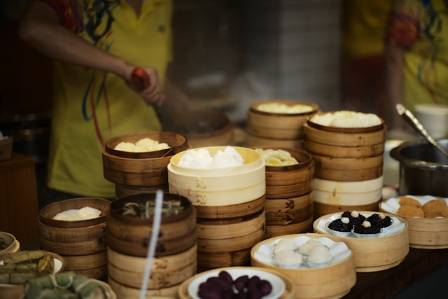
Chinese "cakes" often differ from baked Western sponges because they are frequently steamed. The iconic Hong Kong egg tart is a world-renowned pastry featuring a flaky crust and a silky custard center. Steamed custard buns are another staple, commonly found in dim sum establishments alongside the airy and porous steamed sponge cake. For lunar celebrations, "Nian Gao," a dense glutinous rice cake, is prepared to symbolize progress and growth in the coming year.
Street food culture has contributed significantly to this category. The Hong Kong egg waffle is a bubbly, crispy delight that has gained international fame, often served today with modern toppings like ice cream. Other regional specialties include "Mai Lai Go," a caramelized Cantonese sponge cake, and the legendary mooncake, which is the centerpiece of the Mid-Autumn Festival. More unique textures can be found in the "White Sugar Sponge Cake," known for its honeycomb-like internal structure, or the pineapple bun, which contains no fruit but is topped with a crunchy, patterned crust.
Candies and Traditional Syrups
Traditional Chinese candies often focus on natural ingredients like nuts, seeds, and roots. Dragon’s Beard candy is a legendary hand-pulled confection that was once a delicacy for royalty, consisting of thousands of fine sugar threads wrapped around crushed peanuts. Simpler treats include peanut brittle and candied sweet potatoes, which are popular winter street foods. For a medicinal yet sweet option, grass jelly—derived from a member of the mint family—is a refreshing addition to drinks and cold bowls.
Syrups and sweet soups also fall into this group, often valued for their perceived health benefits. Sweet potato soup, heavily infused with ginger and brown sugar, is a comforting remedy for cold weather. Meanwhile, lotus seed paste serves as a foundational ingredient for many other desserts, providing a creamy, nutty base that is essential to high-end holiday pastries.
Cookies and Crispy Biscuits
Chinese cookies often emphasize a balance between crunch and a sandy, crumbly texture. Almond and walnut cookies are bakery staples, frequently made with lard or butter to achieve a specific traditional mouthfeel. Sesame balls, though fried, function as a popular cookie-like snack with a hollow center and a chewy glutinous rice shell.
Regional variations include the pineapple tart, which was influenced by Portuguese explorers and features a bright fruit jam. The "Cow Ear" cookie is a distinctive savory-sweet biscuit with a spiral pattern, flavored with fermented bean curd. For nut lovers, cashew cookies offer a modern but equally satisfying alternative to more traditional nut-based biscuits.
Deep-Fried Delicacies
Frying is a popular method for creating desserts with contrasting textures. Banana fritters and pumpkin pancakes are beloved for their crispy exteriors and soft, warm interiors. "Mahua," or fried dough twists, provide a dense and crunchy snack that can be found in street markets across Northern China. "Sachima" is another unique entry, consisting of fried batter strands bound together with a stiff sugar syrup.
Many of these items are central to the Lunar New Year. Peanut dumplings, known as "Jau Gok," are crispy half-moons filled with crushed nuts and sugar. For a simpler treat, fried "Mantou" (steamed buns) dipped in sweetened condensed milk offers a perfect blend of hot, crunchy dough and cold, creamy sauce. More adventurous options include deep-fried durian, which transforms the pungent fruit into a rich, custard-like fried treat.
Fruit-Focused Refreshments
Fruit is often the preferred way to end a Chinese meal, served either fresh or lightly prepared. Mango pudding is a vibrant, creamy favorite during the summer months when the fruit is at its peak. Steamed pears filled with honey and dates are a classic warm dessert, often used as a soothing traditional remedy.
"Tanghulu," or candied fruit skewers, are perhaps the most famous fruit street food, traditionally made with hawthorn berries coated in a hard sugar shell. For a more complex chilled dessert, "Snow Fungus Soup" combines medicinal mushrooms with dried dates and longan for a light, gelatinous texture. Chilled melon salads and Taiwanese "Ice Jelly" made from fig seeds offer refreshing, low-calorie ways to cool down in tropical climates.
Milk and Dairy-Based Innovations
While dairy was not traditionally a large part of the Chinese diet, modern influences have created a wide array of milk-based desserts. Almond tofu is a silky, jelly-like treat that is perfect for summer, while "Double Skin Milk" is a specialized Cantonese custard known for its unique layers of skin formed during the simmering process. Fried milk is another fascinating innovation, where a thickened milk base is breaded and flash-fried.
The beverage world has been revolutionized by these flavors, starting with the global phenomenon of Boba (Pearl) Milk Tea from Taiwan. More recently, "Cheese Tea"—tea topped with a salty, creamy foam—has become a massive trend. Traditionalists might still prefer walnut sweet soup or taro tapioca pudding, which use coconut or dairy milk to create a rich, comforting consistency.
Rice-Based Specialties
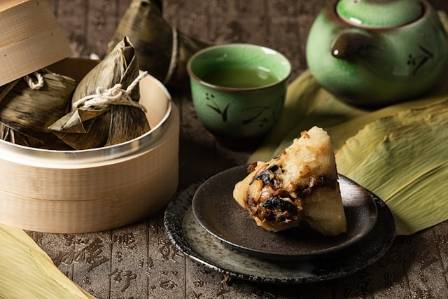
Glutinous rice is the foundation of many iconic Asian sweets. "Tang Yuan," or rice glue balls, are traditionally filled with black sesame and served in a warm ginger broth to celebrate family unity. "Zongzi," though often savory, can be filled with red beans and sugar for a festive dessert wrapped in bamboo leaves.
Other rice treats include "Aiwowo," a steamed glutinous rice ball similar to mochi, and "Nuomici," which are soft dumplings coated in desiccated coconut. Banana mochi rolls use the elastic property of rice flour to create a fun, chewy snack. These items highlight the versatility of rice, proving it can be transformed into everything from a hearty congee to a delicate, translucent dumpling.
This extensive variety of desserts reflects the regional diversity and long history of Chinese culinary arts. From the steamed buns of the south to the fried doughs of the north, these sweets continue to evolve while remaining rooted in tradition. Whether you prefer the earthy taste of beans or the modern creaminess of milk tea, there is a Chinese dessert to suit every palate.