नोट
Simple Methods for Successfully Growing Lavender in Pots
Lavender fields are a common sight across warm, dry coastal regions where the climate is naturally ideal for their growth. However, many gardeners must deal with much more challenging environments, such as high summer humidity or freezing winter temperatures. In these less-than-ideal conditions, growing this aromatic plant requires a bit of extra attention.
Jason Christopher Lee
लेखक
मेटा
संदर्भ फील्ड नीचे उपलब्ध।
टाइप
पल्स नोट
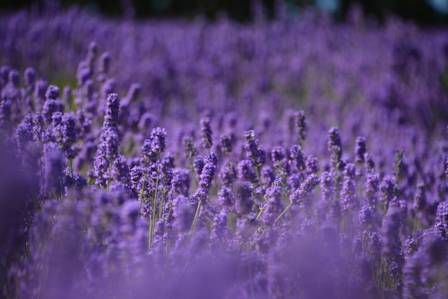
Lavender fields are a common sight across warm, dry coastal regions where the climate is naturally ideal for their growth. However, many gardeners must deal with much more challenging environments, such as high summer humidity or freezing winter temperatures. In these less-than-ideal conditions, growing this aromatic plant requires a bit of extra attention.
While planted lavender can take a long time to establish and often does not reach its peak until the second year, container growing offers a wonderful alternative. By utilizing pots and following the correct planting techniques, you can enjoy vibrant, fragrant blossoms in just a few months. Achieving success with container growth depends on satisfying a few critical environmental factors, which include rapid drainage, alkaline soil, abundant sunlight, heat, and consistent air movement around the foliage.
Setting Up Your Containers for Success
Because these plants can eventually expand to the size of a small shrub, you should always start with a large container. Pots measuring twelve to sixteen inches in diameter are ideal for accommodating the root system. To ensure that water drains away from the roots quickly, line the bottom couple of inches of the container with gravel or coarse drainage materials before adding the soil.
The planting medium should be tailored to the preferences of the plant. After filling the pot with a general potting mix, stir in a tablespoon of lime to increase the alkalinity of the soil. Position a single plant directly in the center of the container, making sure that the crown of the plant sits roughly an inch above the surrounding soil surface. This elevated positioning prevents water from pooling around the base of the stems, which can lead to decay.
Managing Nutrients and Reflective Mulch
To support steady growth throughout the season, the plant needs a reliable source of nutrients. If your potting soil does not already contain slow-release fertilizer granules, apply a half-cup of organic fertilizer pellets across the soil surface and gently work them in. Alfalfa pellets are an excellent choice for this purpose, as they act as a slow-release organic food source and contain natural growth stimulants that encourage healthy tissue development.
Surface protection is another critical element of container care. Apply a two-inch layer of small white landscaping pebbles or stone grit across the soil surface, working it right up to the base of the plant crown. Using a light-colored or white mulch serves a double purpose. It reflects extra sunlight back up onto the lower branches to accelerate growth, and it helps maintain excellent air circulation. This ensures that the stems dry out rapidly after a rainstorm or watering session, preventing harmful fungal issues from taking hold.
Maximizing Sunlight and Proper Hydration
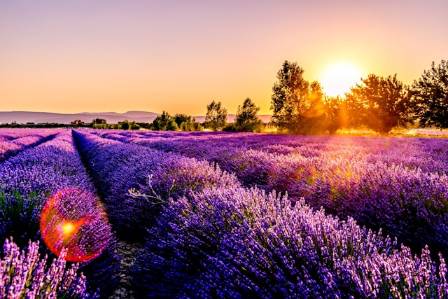
Sunlight is the primary driving force behind the growth and fragrance of this crop. Place your containers in a location that receives a minimum of eight hours of direct, unfiltered sunlight every day, as shade will severely stunt growth and diminish the oil production in the flowers. If you live in a cooler region, positioning the pots on a concrete surface like a driveway, patio, or sidewalk will help trap and amplify the heat of the sun, creating a warmer microclimate.
Watering must be handled with precision. Only apply water when the soil beneath the pebble mulch feels completely dry to the touch. When you do water, apply it thoroughly until it runs freely out of the drainage holes at the bottom of the container. In addition to regular watering, feed the plants weekly with a balanced, water-soluble fertilizer, such as a mild organic fish emulsion or liquid compost tea, to keep the foliage vibrant.
Winter Storage and Ideal Varieties
When the growing season ends, you can easily preserve your potted plants for the following year. Before the arrival of severe winter weather, move the containers into an unheated garage, porch, or shed that offers shelter from freezing winds. While the soil inside the pot may freeze during the coldest weeks, this will not harm the plant. If a temporary warmup thaws the soil during the winter, provide a light watering every two weeks to keep the dormant root system hydrated.
While almost any variety can technically be adapted to container life, compact or dwarf types are much easier to manage over the long term. Varieties like Munstead, Hidcote, Dwarf Blue, and Lavender Lady are particularly well-suited for pots because they produce flowers rapidly and maintain a compact, tidy shape that fits well on balconies and patios.
Essential Tips for Harvesting the Blossoms
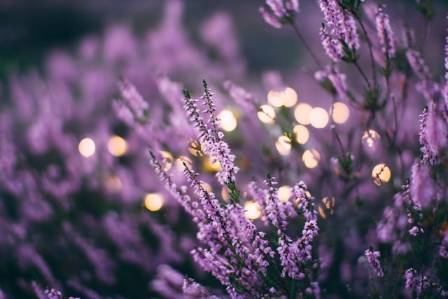
Gathering the flower stems at the correct time ensures you preserve the maximum amount of color and fragrance. Cut the stems as soon as the very lowest blossom on the spike begins to open, making the incision just above the first set of leaves. Harvesting early in the morning is highly recommended, as the concentration of aromatic oils within the petals is highest before the heat of the day sets in.
To keep the plant productive, continue cutting the flowers regularly throughout the summer. This continuous harvesting stimulates the plant to generate fresh buds, often resulting in up to three separate blooming cycles over a single season. To dry your harvest while maintaining the deepest color and highest oil content, tie the stems into small bundles and hang them upside down in a warm, dark, well-ventilated room.
संबंधित

The Twisted World of Spiral Noodles

Which Sofa Are People Choosing in 2025? From Curves to Color, These Are the Top Sofa Trends Designers Recommend to Aid Your Search
Botanical Illustration Guide: Sketching a Detailed Maple Leaf

अक्षय ऊर्जा के लिए मार्ग प्रशस्त करने वाले 5 अभूतपूर्व नवाचार

डिजिटल प्रौद्योगिकी के विकास का मार्ग प्रशस्त करना: उत्पत्ति से भविष्य तक