नोट
Reliable Methods for Growing Beautiful Sunflowers Every Summer
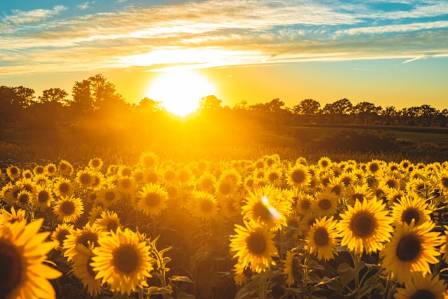
Sunflowers are the quintessential symbols of the warmer months. These bright and cheerful plants are famous for their large yellow faces that seem to follow the sun. Beyond their beauty, they are remarkably easy to cultivate because they handle heat well, resist most common garden pests, and grow at an impressive speed. Since they are native to North America, they are hardy enough to adapt to many different climates and soil conditions. Whether you want to create a natural privacy screen, provide food for local birds, or simply have a stunning garden display, these flowers are an excellent choice for any gardener.
John William Smith
लेखक
मेटा
संदर्भ फील्ड नीचे उपलब्ध।
टाइप
पल्स नोट
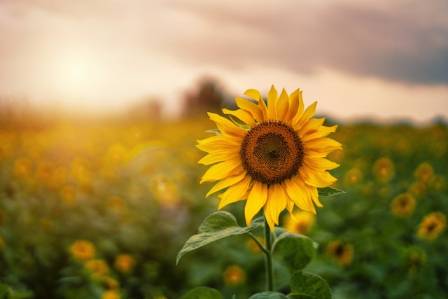
Sunflowers are the quintessential symbols of the warmer months. These bright and cheerful plants are famous for their large yellow faces that seem to follow the sun. Beyond their beauty, they are remarkably easy to cultivate because they handle heat well, resist most common garden pests, and grow at an impressive speed. Since they are native to North America, they are hardy enough to adapt to many different climates and soil conditions. Whether you want to create a natural privacy screen, provide food for local birds, or simply have a stunning garden display, these flowers are an excellent choice for any gardener.
Getting Started with These Iconic Summer Plants
These plants are annuals, which means they complete their entire life cycle in a single growing season. They resemble giant daisies with vibrant petals surrounding a dark center that eventually fills with seeds. Sunflowers come in an incredible range of sizes. Some dwarf types only reach about one foot in height and are perfect for small containers, while giant varieties can tower up to fourteen feet in height. They play a vital role in the ecosystem by attracting pollinators like bees and providing a steady food source for birds in late summer. Most types will stay in bloom for several weeks during the hottest part of the year.
Finding the Ideal Spot for Healthy Growth
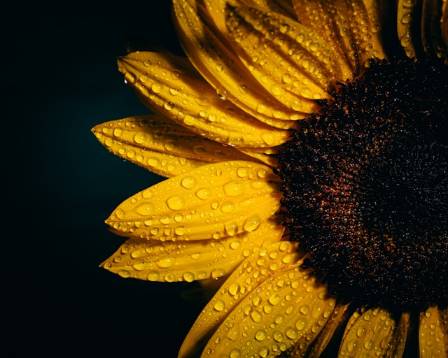
Sunflowers are true lovers of light and require at least six to eight hours of direct sunlight every day to reach their full potential. They develop long taproots that need to push deep into the earth, so it is important to provide loose and well-drained soil. They generally prefer a soil environment that is slightly alkaline. Because they grow so much mass in a short amount of time, they are considered heavy feeders. This means they will perform best if you enrich the soil with organic matter or compost before you start planting. If you are growing the extremely tall varieties, try to plant them near a fence or a sturdy wall to protect them from high winds that might knock them over.
Simple Planting Steps for Best Results
The best time to put seeds in the ground is after the final spring frost has passed and the soil has warmed up to at least sixty degrees Fahrenheit. Depending on your local climate, this usually happens between the months of March and May. While you can find young plants at local garden centers, it is often better and cheaper to grow them directly from seed. Starting from seed allows you to choose from a much wider variety of colors and sizes. Place the seeds about one inch deep and space them several inches apart. Once the young plants are about six inches tall, remove the weaker ones so that the strongest plants have about a foot of space between them. For a constant supply of flowers, you can plant a new row of seeds every two weeks until the middle of summer.
Essential Maintenance for Thriving Stalks
When the plants are still young, focus your watering on the area immediately around the stems. As they become more established and grow taller, you should transition to deep watering sessions. Instead of a light sprinkle every day, give each plant a few gallons of water once a week. This encourages the taproot to grow deep into the soil, making the plant more stable and drought-resistant. Very tall varieties often become top-heavy as the flower heads mature. To prevent them from snapping or leaning too far, you can use wooden or bamboo stakes to provide extra support. Tying the stalks loosely to these stakes will help them stay upright during summer storms.
Dealing with Garden Pests and Diseases
Even though sunflowers are quite sturdy, they can occasionally suffer from fungal infections. Issues like powdery mildew or rust often appear as white or brown patches on the leaves. To prevent this, try to water the plants at the base rather than from above, as keeping the foliage dry reduces the risk of fungus. If an infection does occur, a standard garden fungicide can usually manage the problem. You should also keep an eye out for larger visitors like squirrels or deer, who might be tempted to snack on the young sprouts or the developing seed heads.
Tips for Harvesting and Storing Seeds
The center of the flower will begin to transform into a dense head of seeds after the petals fall away. You can choose to harvest these for your own snacks or save them to plant in your garden next year. You will know the seeds are ready when the back of the flower head turns from green to brown and the seeds themselves look plump. To protect your harvest from hungry birds, you can wrap the flower heads in a breathable fabric or a paper bag once the petals start to wither. When you are ready, cut the head off with a few inches of stem attached and rub the seeds out by hand. Make sure to wash them and let them dry completely before storing them in a cool and dry place.
Popular Varieties to Suit Any Space
There is a sunflower for every type of garden. Giant varieties are perfect for back borders or along property lines because of their massive dinner-plate-sized blooms and tall stalks. If you prefer more variety in color, some cultivars offer beautiful shades of bronze, orange, and deep red. There are also multibranched types that produce many smaller flowers on a single plant, which are ideal for making indoor bouquets. For those with limited space or balcony gardens, dwarf varieties offer soft and fluffy blossoms that stay very low to the ground and look wonderf