Introduction: The Sacred Role of Biscuits in British Culture
When discussing British culture, few treats hold as revered a position as the humble biscuit— a term that often sparks confusion for visitors from across the Atlantic, where "biscuit" refers to a soft, scone-like bread. In the UK, however, a biscuit is a crunchy, sweet or slightly savoury snack, inextricably linked to the nation’s beloved tea-drinking ritual. More than just a quick bite, it is a cultural touchstone: a symbol of hospitality, a staple of office life, and a comfort food that bridges generations. Whether enjoyed with a steaming cuppa in the morning, as a mid-afternoon pick-me-up, or during a cozy evening in front of the TV, British biscuits are woven into the fabric of daily life. For anyone new to the UK or simply curious about this culinary tradition, this guide unlocks the wonderful world of classic British biscuits—their unique flavors, textures, and the unwritten rules that govern their enjoyment.
Top Classic British Biscuits You Must Try
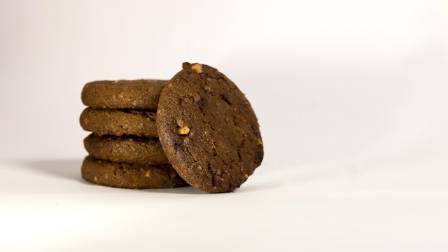
No exploration of British biscuits is complete without sampling these iconic varieties, each with its own distinct personality and place in tea-time culture. Digestives, the nation’s best-loved biscuit, are semi-sweet and wheaty, available plain or coated in smooth milk or rich dark chocolate—their sturdy texture makes them perfect for dunking in tea without disintegrating instantly, a crucial quality in any biscuit. Rich Teas, by contrast, are light, round, and subtly sweet, offering a satisfying snap that pairs seamlessly with a traditional cup of black tea, making them a mainstay of dipping rituals. Hobnobs, with their hearty oaty base, strike a balance between crunch and slight chewiness, and their chocolate-coated variant is widely celebrated as a superior indulgence. Custard Creams, two rectangular shortbread biscuits sandwiching a creamy vanilla filling, evoke nostalgia as a beloved lunchbox treat and a permanent fixture in office biscuit tins. Bourbons—nothing to do with the whiskey—are chocolate-flavored sandwich biscuits filled with velvety chocolate cream, delivering a rich, comforting taste that feels like a childhood favorite. Jammie Dodgers, adored by young and old alike, feature shortbread biscuits filled with tangy raspberry (or other fruity) jam, distinguished by their iconic heart-shaped window that reveals the vibrant filling. Ginger Nuts are bold and spicy, with a crunchy texture that stands up to vigorous dunking without crumbling—a true mark of a quality biscuit. Finally, shortbread, originally hailing from Scotland, is a luxurious, buttery delight, traditionally enjoyed at Christmas but cherished year-round for its melt-in-your-mouth richness.
The Art of Dunking: A Cherished British Ritual
Dunking a biscuit in tea is not just a practical way to soften it—it is a time-honored British ritual, steeped in unspoken rules and personal preference. Not all biscuits are created equal when it comes to dunking: delicate varieties like plain Digestives or Rich Teas hold their shape well, absorbing just enough tea to enhance their flavor without turning into a soggy mess, while softer biscuits or those with high sugar content may dissolve quickly, leaving dreaded "biscuit sludge" at the bottom of the mug. Sturdier options like Hobnobs, Ginger Nuts, and shortbread are celebrated for their dunking resilience, able to withstand a few seconds in hot tea before being lifted to the mouth. A key tip for chocolate-coated biscuits: dunk with caution—melting chocolate on fingers is almost inevitable, but it’s all part of the tactile, nostalgic experience. The length of the dunk is a matter of personal taste: some prefer a quick dip for a subtle tea infusion, while others opt for a longer soak for a softer, more flavorful bite. Regardless of technique, dunking transforms the simple act of eating a biscuit into a shared cultural experience that connects Britons across ages and backgrounds.
Biscuits: More Than Snacks—A Cornerstone of British Life
British biscuits are far more than mere snacks; they are integral to social interaction and national identity, shaping moments both ordinary and special. In office culture, a stash of biscuits is a universal constant—whether kept in a communal tin for team meetings or tucked in a desk drawer for a mid-afternoon boost, they foster connection and break up the workday. When hosting visitors, offering a biscuit with a cup of tea is not just polite—it is expected, a small gesture that signals warmth and hospitality. During leisure time, biscuits and a cuppa are the ultimate pairing for a cozy night in front of the TV, a lazy Sunday afternoon, or a chat with friends. They also play a role in marking milestones: shortbread at Christmas, Jammie Dodgers at children’s parties, and chocolate Digestives at family gatherings. For many Britons, specific biscuits carry emotional weight—evoking memories of grandparents’ kitchens, school lunch breaks, or late-night study sessions. In this way, biscuits are a thread that weaves through life’s moments, big and small, reflecting the nation’s love of comfort, tradition, and shared enjoyment.
Final Thoughts: Embrace the Biscuit Tradition
Whether you’re savoring a creamy Bourbon, debating the superiority of chocolate Hobnobs over plain ones, or mastering the perfect dunk, British biscuits offer a window into the nation’s culture—warm, unpretentious, and rooted in connection. They remind us that joy often lies in simple pleasures: a good cup of tea, a delicious biscuit, and the company of others. So, put the kettle on, open a pack of your chosen biscuit, and immerse yourself in this beloved tradition. Just remember one golden rule: never take the last biscuit from the tin without asking— it’s a breach of tea-time etiquette that could spark mild (but good-natured) outrage. As you bite into the crunchy, flavorful goodness of a classic British biscuit, you’re not just eating a snack—you’re participating in a centuries-old tradition that makes Britain feel like home, one dunk at a time.