नोट
Banksia Rose Growing Guide
Banksia Rose (Rosa banksiae), also called Lady Banks Rose or Banks’ Rose, is an evergreen climbing rose belonging to the Rosaceae family. Native to China, this elegant rose was named in honor of the wife of the renowned botanist Sir Joseph Banks.
Stella Morgan
लेखक
मेटा
संदर्भ फील्ड नीचे उपलब्ध।
टाइप
पल्स नोट
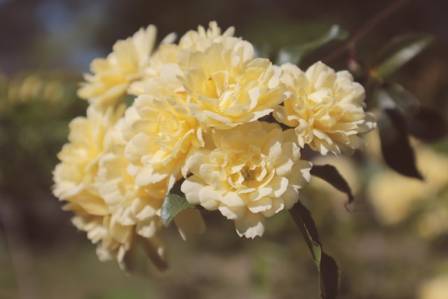
Banksia Rose (Rosa banksiae), also called Lady Banks Rose or Banks’ Rose, is an evergreen climbing rose belonging to the Rosaceae family. Native to China, this elegant rose was named in honor of the wife of the renowned botanist Sir Joseph Banks.
Unlike many traditional roses, Banksia Rose has smooth, nearly thorn-free stems, making it easier to manage in the garden. In spring, it produces clusters of small, double white or yellow flowers that create a beautiful display. Its foliage is delicate, fine-textured, and fern-like, adding charm even when the plant is not flowering.
This climbing rose can adapt to many different soil conditions but grows best in moist, fertile soil with good drainage and plenty of organic material. A sunny location is important for abundant flowering. Pruning should be done after the flowering period finishes, usually in late spring or early summer.
Benefits of Growing Banksia Rose
Banksia Rose is an excellent choice for covering fences, walls, pergolas, and other garden structures because it grows quickly and can spread across large areas.
Its almost thornless branches make pruning and handling much easier compared with many other climbing roses, making it a suitable option for gardens where children or pets are present.
This rose is also naturally resistant to many common plant diseases and requires relatively little maintenance once established. In addition to vertical planting, it can also be used effectively as a spreading ground cover plant.
How to Grow Banksia Rose
Suitable Climate Zones
Banksia Rose performs well in a wide range of climates, from cooler regions to tropical areas.
Plant Size
A mature Banksia Rose can become a large climbing plant, typically reaching around 9 meters in both height and width when given enough space and support.
Best Planting Time
The ideal time to plant Banksia Rose is during spring after the danger of frost has passed. This allows the plant to establish roots before facing extreme seasonal conditions.
Preparing the Soil
Banksia Rose is adaptable and can grow in different soil types, but it prefers soil that remains moist while allowing excess water to drain away easily.
Before planting, improve the soil by mixing in well-rotted manure or compost. Adding organic matter helps create a nutrient-rich growing environment and supports stronger root development.
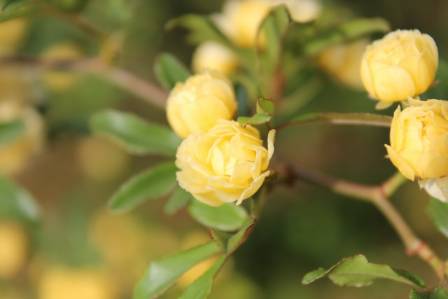
Planting Banksia Rose
Choose a location with full sunlight or light shade for the best results. Dig a planting hole that is approximately twice as wide as the container the rose came in.
Before placing the plant into the ground, fill the hole with water. This helps test the drainage of the surrounding soil and ensures the nearby soil is already moist, preventing it from pulling moisture away from the root ball.
Mix compost into the soil before planting, then place the rose carefully into the hole and fill it back with soil. Apply a layer of mulch around the base of the plant to help retain moisture, but avoid placing mulch directly against the stem to prevent potential problems.
Caring for Banksia Rose
Watering
During the first year, water regularly to keep the soil consistently moist while the plant becomes established. Additional watering may be needed during dry periods.
Although Banksia Rose enjoys moisture, it does not tolerate constantly waterlogged soil, so good drainage is essential.
Fertilizing
Feed the plant during the active growing season with a slow-release fertilizer or a fertilizer formulated specifically for roses.
Adding mulch around the plant helps conserve soil moisture and regulate temperature. Keep mulch slightly away from the main stem to maintain healthy airflow.
Pruning
Banksia Rose can be trimmed to maintain its shape and encourage vigorous growth, but yearly pruning is not necessary.
If pruning is needed, do it in summer after the main flowering period has ended. Since Banksia Rose produces flowers on older growth from the previous season, pruning during winter may remove the branches that would produce flowers the following year.
Remove any damaged, weak, or unhealthy branches to keep the plant strong and attractive.
Common Problems With Banksia Rose
Banksia Rose is generally easy to grow and resistant to many diseases. However, in areas with very high humidity, the plant may occasionally develop powdery mildew.
Maintaining good air circulation around the plant, avoiding excessive moisture on the foliage, and providing proper growing conditions can help reduce the risk of fungal issues.
संबंधित
Small Balcony Ideas for Maximum Impact

How to Select the Ideal Lounge Chair

THE ULTIMATE BEDROOM REVOLUTION: 25 MIND-BLOWING DESIGN STYLES THAT WILL COMPLETELY TRANSFORM YOUR SLEEP SANCTUARY FOREVER!
How to draw a fairy cottage

The Shocking End of the Hindenburg and the Airship Era