नोट
How We Can Save the Iberian Lynx from Extinction Amid Global Climate Change
Climate change causes massive biodiversity loss and suffering for countless animals. Many species now face the grim reality of extinction. This piece investigates practical steps to mitigate such harm. We use the Iberian lynx as a core case study. Climate change dries out their habitat and depletes their rabbit food source. Doing nothing is unacceptable. Captivity often fails to serve welfare needs. Simple fixes like food provision or reducing road threats fall short of long-term solutions. We argue that assisted migration offers the best path. It safeguards the species while protecting animal welfare.
Duncan Eva
लेखक
मेटा
संदर्भ फील्ड नीचे उपलब्ध।
टाइप
पल्स नोट
Climate change causes massive biodiversity loss and suffering for countless animals. Many species now face the grim reality of extinction. This piece investigates practical steps to mitigate such harm. We use the Iberian lynx as a core case study. Climate change dries out their habitat and depletes their rabbit food source. Doing nothing is unacceptable. Captivity often fails to serve welfare needs. Simple fixes like food provision or reducing road threats fall short of long-term solutions. We argue that assisted migration offers the best path. It safeguards the species while protecting animal welfare.
The Urgency of Climate Justice for Animals
Greenhouse gas emissions continue to drive global temperatures upward. We expect significant warming by the century's end. These changes reshape Earth's systems. They impact humans and animals alike. Biologists report that half of all threatened mammals face negative consequences already. Millions of individual animals suffer. Mitigation efforts might not act quickly enough. We need direct assistance to prevent total loss. Climate justice demands that we help those harmed by our actions. Wealthy nations drive climate change. Poor nations suffer most. We must extend this concept of justice to non-human animals too. They did not cause this crisis. Yet they face the worst effects.
Analyzing the Iberian Lynx Crisis
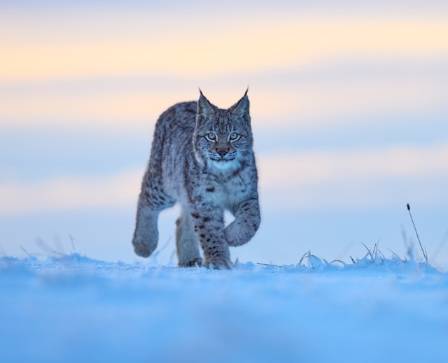
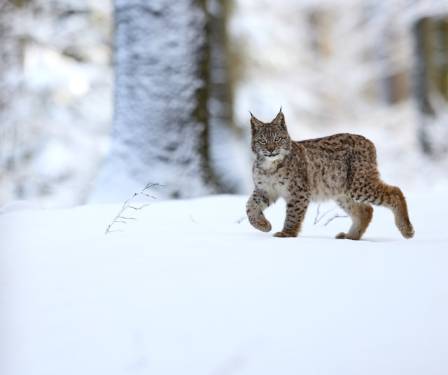
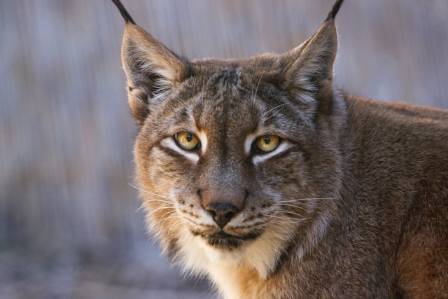
We examine the Iberian lynx to find actionable solutions. This species faces a high risk of disappearing. Its situation involves both individual welfare and species survival. The causes are largely human-driven. The lynx lives on the Iberian Peninsula. It neared extinction due to hunting and habitat loss. Rabbit declines made survival difficult. Conservationists successfully increased wild numbers through habitat protection. However, climate shifts will likely destroy their current habitats soon. Droughts will dominate the region. Extinction could occur within fifty years. They cannot migrate easily because of urban sprawl and fragmented land. We must intervene to save them.
The Ethical Implications of Doing Nothing
Deciding to do nothing is an active choice. It carries moral weight. We have duties toward wild animals because our actions made them vulnerable. Climate change is a human-induced threat. It increases the vulnerability of the lynx significantly. We have a clear duty to act. Helping one species can impact others. This creates a moral dilemma. Helping the lynx might increase competition with other predators like the European wildcat. It also increases predation on rabbits. We must balance these conflicting obligations. We have more duty toward highly vulnerable species. The lynx falls into this category.
Reducing Threats and Habitat Management
We can remove human-made threats. This includes managing urban sprawl and stopping illegal hunting. We can build wildlife corridors under roads. These actions are low-risk and highly effective. They do not decrease the wildness of the animals. However, this is not enough. Climate change will eventually render their current habitat unusable. These measures merely buy us time. They delay extinction but do not prevent it. We need more comprehensive strategies.
The Complexity of Artificial Support
We could provide extra food and shelter. This risks creating unfair competition among animals. It also raises ethical questions about breeding prey species for consumption. Raising rabbits to feed lynxes causes harm to the rabbits. This creates a utilitarian dilemma. It increases total suffering. Intentional harm to one species to save another is ethically complex. It remains a difficult path for conservation. Some argue we should stop predators from killing prey entirely. This debate shows the deep conflict between animal welfare and conservation goals.
संबंधित

दुनिया भर में तारों को देखने के लिए 10 बेहतरीन जगहें

The Rise of Urban Cable Cars

कैला लिली को अंदर या बाहर सुंदर फूलों के लिए कैसे लगाएं और उगाएं

वियतनामी परिधान की विरासत: सांस्कृतिक पहचान और वस्त्र कला का एक अध्ययन

सर्वश्रेष्ठ मैंगो केक के लिए एक विस्तृत गाइड: मानक, किस्में और प्रदर्शन