नोट
Artistic Strategies for Painting Suburban Streetscapes En Plein Air
This demonstration explores the process of capturing a street scene through direct observation. The featured artwork was created outdoors, or "en plein air," in a classic Australian residential neighborhood. Painting on location is an exceptional method for documenting the unique atmosphere of everyday life, serving as a visual journal of an artist's experiences.
Sophia Delaney Brooks
लेखक
मेटा
संदर्भ फील्ड नीचे उपलब्ध।
टाइप
पल्स नोट
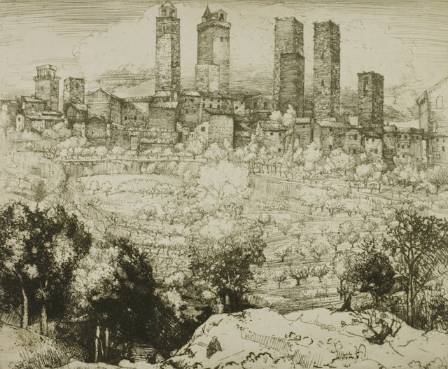
This demonstration explores the process of capturing a street scene through direct observation. The featured artwork was created outdoors, or "en plein air," in a classic Australian residential neighborhood. Painting on location is an exceptional method for documenting the unique atmosphere of everyday life, serving as a visual journal of an artist's experiences.
While this specific project was completed outside, the methods discussed are equally effective for studio work. A streetscape offers a wealth of diverse forms—houses, foliage, and infrastructure—that can be rendered with high precision or a loose, impressionistic touch depending on your personal style.
Developing a Balanced Composition
The setting for this piece is the Central Coast of Australia during a hot, dry summer. The arid conditions transformed the local greenery into straw-colored fields, providing a distinct color palette. When selecting a viewpoint, a street corner is often ideal because it contains multiple rhythmic elements that guide the viewer's journey through the image.
To create a sense of movement, I utilized an "S" shaped composition. In this arrangement, the curve of the road acts as a visual path, leading the eye toward the primary focal point: a large gum tree in the distance. To maintain balance, a terracotta-colored house on the right serves as a structural "counterweight" to the elements on the left, while utility poles act as vertical anchors that stabilize the scene.
Essential Oil Palette and Tools
For this landscape, I employed a specific selection of oil paints to capture the warmth of the Australian light. The palette included Titanium White, Burnt Sienna, Yellow Oxide, Cadmium Yellow, Cadmium Orange, Quinacridone Crimson, Ultramarine Blue, and Phthalo Green.
The choice of brushes is equally important for achieving variety in mark-making. I used No. 6 and No. 2 flat brushes for broader areas and blocking in shapes, while No. 1 and No. 0 round brushes were reserved for fine details and skeletal outlines. The painting was executed on a linen panel primed for oil, using a medium to improve paint flow and decrease drying time.

Establishing Values and Tonal Hierarchy
The process begins with a simplified sketch of the composition using a round brush and a warm earth tone. Once the layout is secure, the next step is to establish the darkest values. In a sun-drenched scene, these are typically found in the shadows of trees and across the grass. Mapping these dark areas early provides a framework for the rest of the painting.
For the Australian sky, which often appears hazy and dusty in high heat, a mix of blue and white is tempered with a tiny hint of yellow oxide. This creates a realistic, atmospheric glow. The road is rendered using a combination of blue and burnt sienna, which produces natural, sophisticated grays. Because orange and blue sit opposite each other on the color wheel, they effectively neutralize one another to create balanced tones for asphalt and shadows.
Painting Architecture and Natural Elements
When painting the houses, attention to local color is vital. The terracotta walls are built using earth tones mixed with white, while the roof requires a rustier red achieved by adding crimson and orange. For neighboring structures with green accents, a saturated mix of yellow and blue with a touch of phthalo green creates a vibrant contrast against the dry landscape. Small round brushes are used at this stage to define windows and doorways.
Grass in a summer landscape often represents the lightest values in the scene. By keeping the grass significantly lighter than the trees and buildings, you accurately reflect how sunlight hits flat, open surfaces. I applied these areas with a large flat brush to maintain a loose, gestural quality that suggests the texture of dried vegetation.
Final Details and Highlighting
The concluding phase involves adding the "half-tones" and final highlights to the trees and bushes. Using a more saturated green than the grass, I varied the mixture to represent different types of foliage. The brightest highlights, consisting of yellow and orange heavily tinted with white, are placed where the sun directly hits the leaves.
Finally, the functional details of the street are added. This includes the highlights on the utility poles, the thin lines of the overhead wires, and the white markings on the road surface. These final touches, applied with a fine round brush, bring a sense of realism and scale to the suburban environment, completing the narrative of the street.