नोट
The Evolution of the Household Couch and Its Journey Through History
The couch is a fundamental element of modern household furniture across the globe. It serves as the primary anchor for the living room, tying the entire space together more effectively than almost any other item. This specific piece of furniture is deeply tied to personal comfort and the universal concept of a welcoming home. Beyond its practical use for relaxation, the couch stands as a unique cultural symbol that mirrors societal and technological transformations across different eras.
Gregory Moore
लेखक
मेटा
संदर्भ फील्ड नीचे उपलब्ध।
टाइप
पल्स नोट
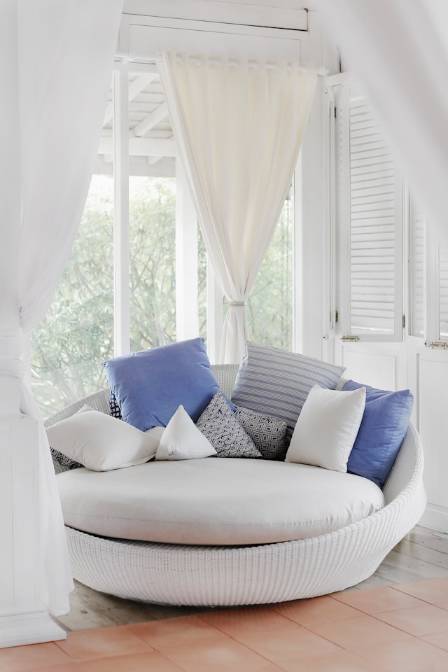
Early Seating and Ancient Origins
The earliest ancestral versions of padded seating date back to the eighteenth dynasty of ancient Egypt. Pharaohs were frequently laid to rest in their tombs alongside luxurious items designed to make their journey into the afterlife as pleasant as possible. These early royal seats were incredibly rare, reserved exclusively for the ruling class who could afford expensive timber and rare textiles. Around the same time, the linguistic roots of the modern term began to take shape from an ancient Arabic word, suffah, which roughly translated to a long wooden bench.
In ancient Rome, decorative and highly styled lounges became a standard feature of high society, marking a household as wealthy and influential. However, for the vast majority of human history prior to the seventeenth century, residential furniture remained extremely minimal. Most households lacked the diverse options enjoyed today. For ordinary citizens, seating was hard, basic, and entirely devoid of fabric or cushioning. This era is frequently termed the oak period because less affluent homes contained little more than a basic wooden frame for sleeping. Wealthier citizens, however, could afford to harvest and carve resilient oak into elongated benches known as settles. These sturdy items did not warp over time and were heavily decorated with intricate carvings, closely resembling the gothic wooden pews found in churches. Some settles were built with exceptionally high backs to block cold drafts near doorways, and some even featured small integrated shelves to hold evening candles.
Innovation and Comfort in Early Europe
Between the late seventeenth century and the early eighteenth century, a massive surge in global wealth and artistic creativity sparked the invention of many furniture items found in contemporary Western homes. Designs like the armchair, which had existed much earlier in Eastern cultures, were adapted by European craftsmen who drew inspiration from international trade. At the same time, domestic architecture began to improve significantly. Houses became warmer, roofing methods advanced, and dampness was reduced. Consequently, it became fashionable to remove heavy decorative fabrics from the walls and drape them over seating frames instead.
The true foundation for modern comfort emerged when regional craftsmen began experimenting with different types of internal padding. Artisans in Germany started utilizing dense horsehair to stuff seats and mattresses, while makers in the United Kingdom relied on dried sea moss. Meanwhile, during the Renaissance, Italian designers recognized that comfortable seating required both supportive backrests and armrests. Over time, horsehair and plant materials evolved into softer down feathers. Makers experimented with various stuffing materials, specialized sewing patterns, and decorative buttons, elevating the humble bench into an item of true luxury.
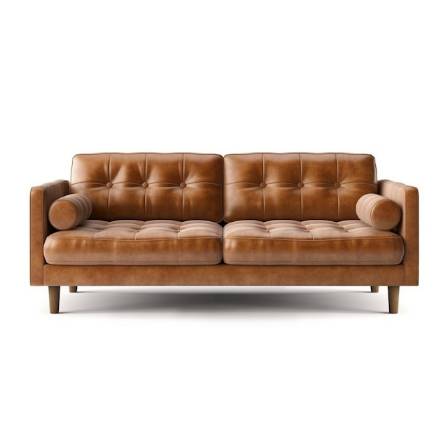
The Eras of Fine Wood and Artistic Design
From the mid-seventeenth century to the early eighteenth century, furniture making flourished under the heavy use of walnut timber. This movement was particularly prominent in France, where the opulent style of the monarchy influenced design trends. Craftsmen began producing double-width chairs that featured integrated padding on both the seating surface and the armrests. Concurrently, elongated day beds became one of the most sought-after variations in the United Kingdom. This trend faced a major disruption during the French Revolution in the late eighteenth century, when political upheaval led to the widespread destruction of luxury items associated with the wealthy elite.
The global popularity of the traditional sofa accelerated rapidly due to the work of an influential furniture craftsman born in Yorkshire. Operating from a famous workshop in London, his innovative designs featured remarkably sturdy wooden frames stuffed with high-quality materials and wrapped in premium textiles. His specific style of settees quickly spread across international markets. In early America, this style influenced the transition of simple two-person benches into popular double chairs that mirrored European tastes.
The period between the mid-eighteenth century and the early nineteenth century was dominated by mahogany. This dense, heavy timber featured rich reddish tones and a tight grain pattern that allowed artisans to execute highly detailed carvings, sparking a wave of creativity in residential interior design. During this time, multiple design styles gained traction, emphasizing geometric lines alongside elegant curves. A renewed historical interest in ancient Greek and Roman cultures, where citizens traditionally reclined on couches while studying, transformed the sofa into a symbol of intellectual leisure. As production methods improved, these items became more affordable, allowing a wider demographic to purchase them for their homes.
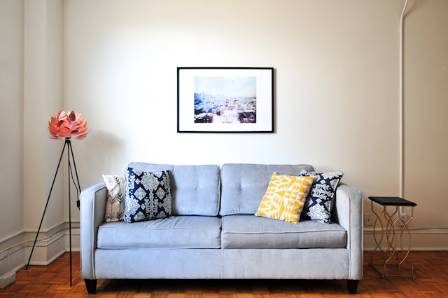
Industrialization and the Modern Era
The nineteenth century brought the Industrial Revolution, which completely transformed the manufacturing process for upholstered furniture. The invention of metal coil springs provided an alternative to traditional fabric stuffing, offering superior support and durability. Factories could now assemble furniture at a fraction of the original time, making comfortable couches accessible to the general public rather than just the upper class. A variety of design movements flourished during this era, ranging from neoclassic frameworks to gothic revival styles.
Following the close of the nineteenth century, the couch became a permanent fixture of daily life, shifting through numerous stylistic variations over the decades. Despite changes in appearance, its core function has remained entirely unchanged as a place of relaxation, rest, and visual appeal. In recent times, there has been a growing appreciation for handmade furniture and historic reproductions. Many contemporary homeowners are turning away from mass-produced items, realizing that factory-line decor rarely matches the longevity and distinct beauty of a piece crafted using traditional, time-tested methods.
संबंधित

The Spectacular Rise and Unstoppable Evolution of the Famous Bavarian Automaker

बॉर्न बाइक टूर्स बार्सिलोना आपको दुनिया के 10 सबसे बड़े साइकिलिंग इवेंट्स का टूर कराता है।

Best Minimalist Wall Clocks for Modern Homes

The Origin and Evolution of Shui Mo Painting: A Journey Through Chinese Cultural Heritage

हंस