नोट
The Spectacular Rise and Unstoppable Evolution of the Famous Bavarian Automaker
The official origin of this prominent German vehicle producer traces back to March 1916. An aviation manufacturing company named Bayerische Flugzeugwerke was established. This business changed its name to Bayerische Motoren Werke in 1922. The famous acronym actually originates from 1917 when Rapp Motorenwerke adjusted its title. The first creation was a straight six aircraft engine known as the IIIa. This power plant was famous for excellent high altitude performance. The resulting military orders triggered rapid corporate growth. After the first global conflict ended the company managed to survive. Workers produced motorcycle engines and agricultural gear. They also manufactured household goods and railway braking mechanisms.
Molly Richardson
लेखक
मेटा
संदर्भ फील्ड नीचे उपलब्ध।
टाइप
पल्स नोट
The official origin of this prominent German vehicle producer traces back to March 1916. An aviation manufacturing company named Bayerische Flugzeugwerke was established. This business changed its name to Bayerische Motoren Werke in 1922. The famous acronym actually originates from 1917 when Rapp Motorenwerke adjusted its title. The first creation was a straight six aircraft engine known as the IIIa. This power plant was famous for excellent high altitude performance. The resulting military orders triggered rapid corporate growth. After the first global conflict ended the company managed to survive. Workers produced motorcycle engines and agricultural gear. They also manufactured household goods and railway braking mechanisms.
Financial Struggles and the Move to Two Wheels
The alternative products did not generate enough revenue. The corporation paused operations and faced total insolvency during late 1918. Management quickly turned to the production of motorcycle powerplants. Engineers built a smooth flat twin motor. This layout kept the center of gravity low. It resulted in a highly agile machine. The engine received excellent feedback. However the completed motorcycles sold very poorly. The general director Franz Josef Popp explored new opportunities. The business became a component supplier for a major braking firm.
A major financial backer named Camillo Castiglioni sold his stakes to the braking firm in 1920. The buyer later acquired the remaining equity. This action turned the vehicle manufacturer into a dependent subsidiary. Popp remained in charge of operations. He eventually convinced Castiglioni to repurchase the corporate title. They also acquired the aircraft production facilities near the airfield. The company manufactured its debut motorcycle at this site in 1923. This machine was a legendary shaft drive model. It featured an enclosed gearbox and advanced lubrication. The exposed cylinder heads provided efficient cooling.
Corporate Resurgence and Early Automotive Triumphs
The enterprise entered the automobile market in 1928. It purchased an existing vehicle factory in Eisenach. That facility built small British passenger cars under an official license. The very first car sold under the brand was a modified version of this model. Throughout the following decade the automaker expanded its catalog. Designers introduced elegant sports cars and larger premium vehicles. A prominent four door luxury sedan arrived with a highly rigid frame. It served as the foundation for successful sports models. One specific racing variant achieved legendary status with over one hundred class victories. Aircraft powerplants and road vehicles remained the primary focus until the second global conflict arrived.
Wartime Hardships and the Post War Recovery
During the war the state forced the business to focus heavily on military aviation propulsion. Automobile assembly ceased entirely in 1941 due to strict government bans. Heavy bombing campaigns devastated the primary manufacturing facilities. The eastern factory fell under Soviet administrative control and built revised models under a altered name. The remaining western facilities faced strict prohibitions against building motorized transport. The enterprise survived once again by producing basic kitchen supplies and bicycles.
Motorcycle assembly finally restarted in 1948. Luxury car production resumed within Bavaria in 1952. The brand introduced a premium sedan model. The product line expanded further in 1955 with a cheaper microcar. The firm purchased the rights for this bubble car from an Italian manufacturer. However the company faced severe financial distress. Premium cars generated weak sales and low margins. Profitable motorcycle demand dropped as the general economy recovered. A larger four seat variant of the microcar proved to be a major market failure. Engineers developed a standard passenger car designed by Giovanni Michelotti. This project exhausted the remaining corporate funds.
The Crucial Rescue and Modern Expansion
The enterprise nearly faced a total takeover by a major rival in December 1959. Industrialists Herbert and Harald Quandt stepped in to acquire a controlling interest. Their investment relied on the strong market potential of a new small model. This intervention allowed the firm to remain independent. The father of the investors was a prominent industrialist who grew wealthy during the previous regime. He utilized forced labor across his manufacturing empire. Massive funds accumulated during that era ultimately enabled the family to purchase the struggling vehicle company.
The new small passenger model achieved great success. It laid the foundation for a complete financial recovery. The introduction of a compact sedan lineup in 1962 established a lasting reputation for performance. These vehicles featured front disc brakes and fully independent suspension. The signature rear window line became a permanent styling element. The company added sleek coupes and flagship luxury sedans throughout the decade. The firm also acquired another domestic manufacturer to integrate highly qualified engineering personnel. A mid size executive sedan range debuted in 1972. This was followed by a compact sedan line in 1975. Premium luxury coupes arrived in 1976. Massive flagship luxury sedans completed the core lineup in 1978.
High Performance Innovations and Global Acquisitions
The dedicated performance division revealed its first mid engine supercar in 1978. Legendary high performance road sedans followed in the mid 1980s. The company introduced its debut production twelve cylinder engine inside a flagship luxury sedan. The corporate group purchased a British automotive collective in 1994. However this acquisition resulted in massive financial losses due to shifting marketing strategies. The company liquidated most of those assets in 2000 while retaining a single iconic small car brand. The manufacturer also secured the official rights to a legendary luxury brand in 1998.
A mass production two seat open roadster joined the lineup in 1995. The manufacturer entered the modern sport utility market with a large wagon model in 1999. The first mass produced turbocharged gasoline engine arrived in 1980. Most powerplants transitioned to forced induction over the subsequent years. The brand debuted its first hybrid luxury vehicle in 2010. A dedicated fully electric urban commuter car arrived in 2013. The company spent decades building a reputation for sporty rear wheel drive dynamics. It introduced its very first front wheel drive multi purpose vehicle in 2014.
संबंधित

कैमरे में कैद किए गए सबसे खूबसूरत सूर्यास्त
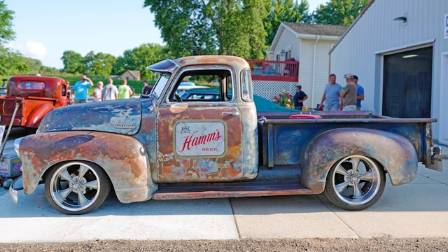
Choosing the Right Pickup Truck: A Practical Buyer’s Guide
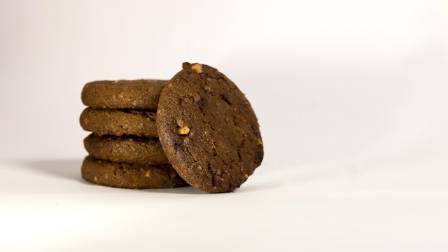
A Guide to Classic British Biscuits: Culture, Tradition, and Tea-Time Delights
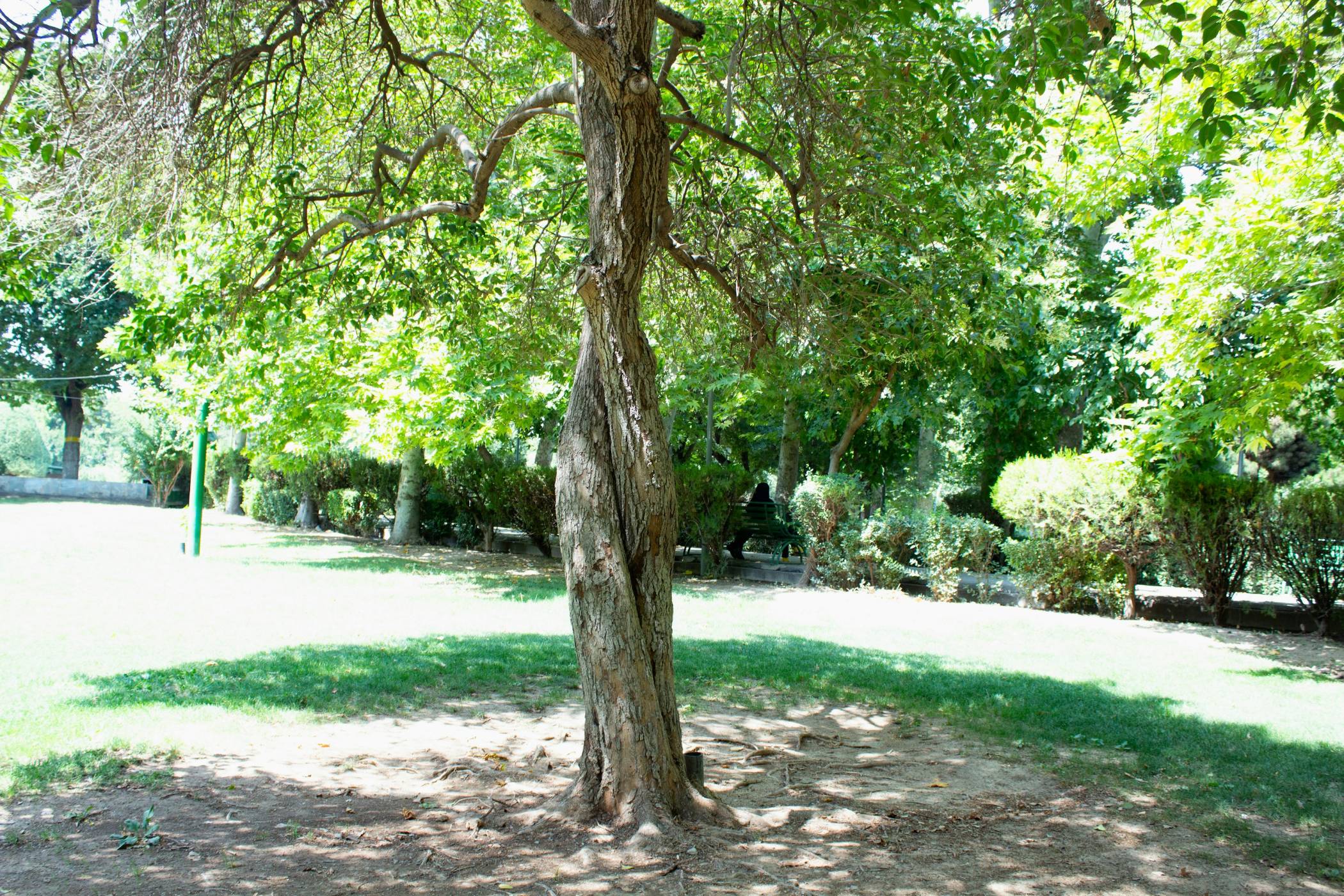
दुनिया का सबसे पुराना पेड़ क्या है? सबसे ऊंचा? सबसे काल्पनिक? पृथ्वी के कुछ सबसे अनोखे पेड़ों का दृश्य दौरा करें।
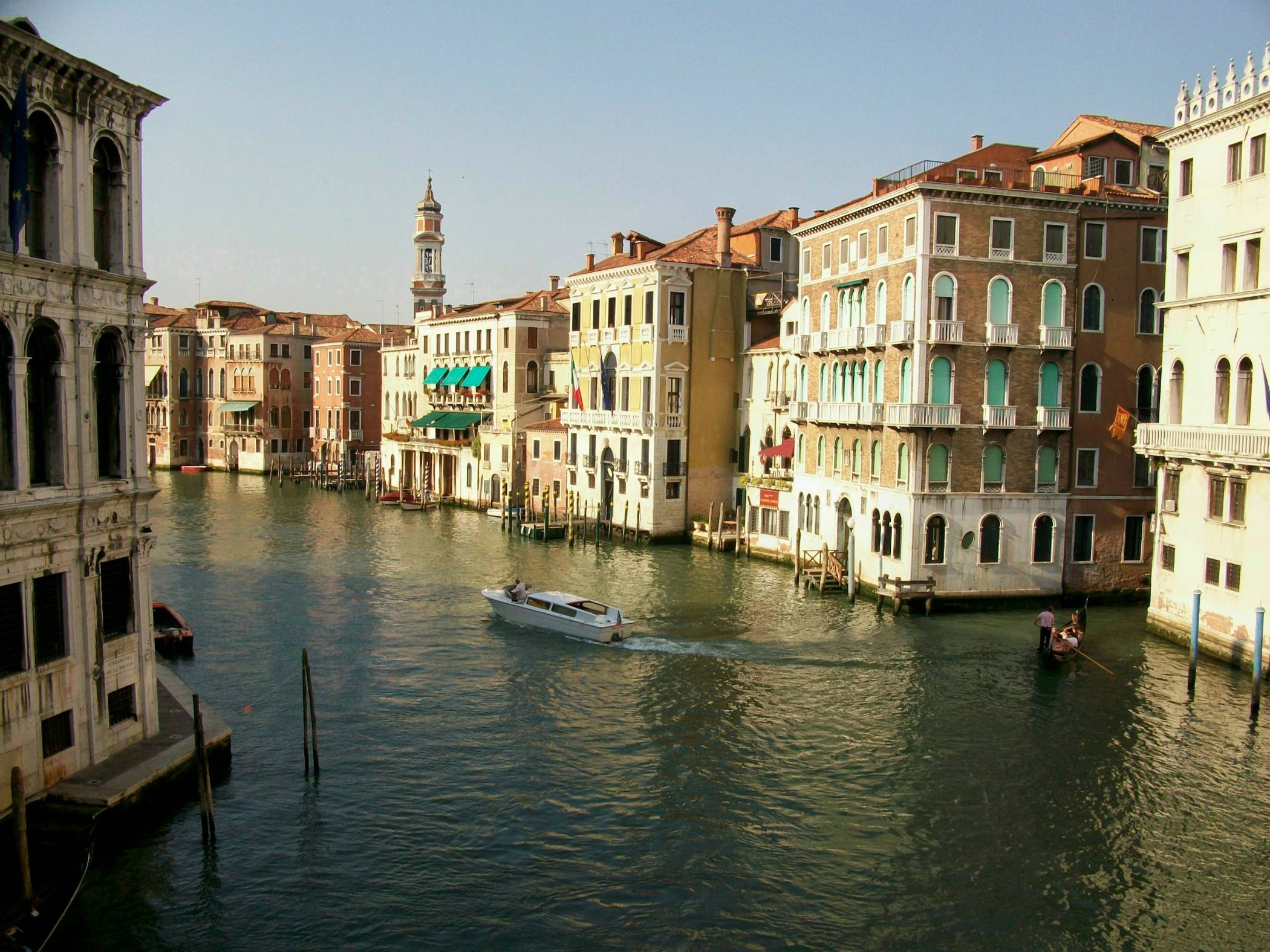
वेनेजिया की ग्रैंड नहर