नोट
Getting Started: Snowboarding for Beginners
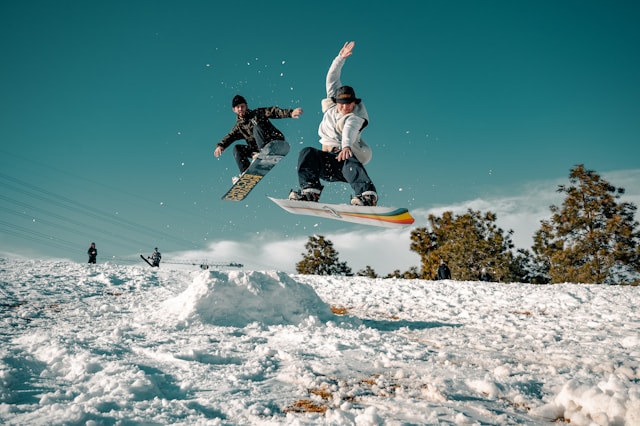
Starting snowboarding can feel a little overwhelming at first, but with some basic knowledge beforehand, the learning curve becomes much smoother. This beginner guide walks you through the essentials—choosing a mountain, selecting equipment, preparing for your first day, and learning how to enjoy the sport so it can become something you stick with long term.
Damon Vale
लेखक
मेटा
संदर्भ फील्ड नीचे उपलब्ध।
टाइप
पल्स नोट
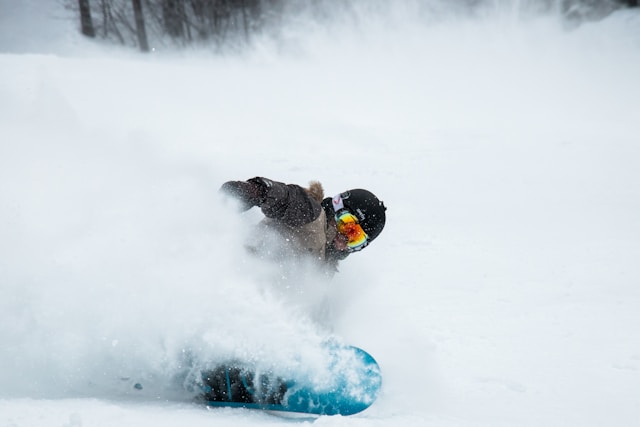
Starting snowboarding can feel a little overwhelming at first, but with some basic knowledge beforehand, the learning curve becomes much smoother. This beginner guide walks you through the essentials—choosing a mountain, selecting equipment, preparing for your first day, and learning how to enjoy the sport so it can become something you stick with long term.
Before diving into the details, it helps to keep a few core ideas in mind:
Snowboarding is meant to be fun above all else
It’s about enjoying nature and experiencing the mountain environment
It’s also about community and connecting with others who share the same passion
Whether you are clipping in for the first time or already have some experience, these ideas stay true every time you ride. Once you accept that mindset, your days on the mountain become much more enjoyable.
Choosing Where to Ride
Not all ski resorts are the same, especially for beginners. Some places are far more welcoming for new riders, offering gentle terrain and supportive learning environments. When selecting a mountain, it’s worth researching the following:
Are there beginner-friendly slopes with mild gradients
Does the resort provide easy lift systems like magic carpets or tow ropes
What are the prices for beginner lift tickets
Are snowboard rentals available on site and how much do they cost
Is there a ski or snowboard school with beginner lessons
Are there comfortable rest areas, food options, and facilities
The key idea is simple: choose a location that makes learning easier, not more stressful. A beginner-friendly resort can make your first experience far more enjoyable.
What Equipment You Need
For your first time snowboarding, renting gear is usually the smartest choice. Rental equipment is designed to be more forgiving, making it easier to balance and control your board while you learn.
Beginner boards tend to be softer and more flexible, which helps reduce mistakes and makes falling less harsh. Renting also allows staff to help you find the correct board size and stance setup without needing prior knowledge.
If your chosen resort offers rentals, that’s ideal. If not, local snowboard shops or specialty winter sports stores often provide rental services as well. Picking up equipment the day before your trip can also save time and avoid long morning lines.
Beyond the snowboard itself, you’ll need basic winter clothing: a warm jacket, snow pants, gloves or mittens, thermal layers, goggles, and a helmet. Borrowing gear is perfectly fine at the beginning—comfort and warmth matter far more than style.
Who You Should Learn With
For your first snowboarding experience, the best companion is a professional instructor. Even if you travel with friends, it’s better to take a lesson rather than rely on informal help.
Instructors are valuable because:
They specialize in teaching beginners and understand common learning challenges
They have experience working with different body types and skill levels
They know the mountain layout and can guide you to safe, suitable areas
Group lessons are often more affordable and also give you a chance to meet other beginners. After your lesson, you can reconnect with friends and practice what you’ve learned at your own pace.
One important tip: avoid relying on friends or family for instruction. Even well-meaning advice can slow your progress or cause confusion.
Preparing for a Good Experience
Snowboarding is an outdoor winter activity, and conditions can change quickly. Weather may shift from sunshine to snow or wind within a short time, so preparation is important.
Layered clothing works best because it allows you to adjust throughout the day. If you get warm, you can remove a layer; if you get cold, you can add one back. Avoid cotton clothing, as it holds moisture and can make you cold quickly.
Staying comfortable is essential for enjoyment. Being cold or wet is one of the fastest ways to ruin your experience, so focus on staying dry, warm, and mobile.
You should also prepare physically by eating a good breakfast, staying hydrated, and doing light stretching. Snowboarding uses muscles in ways you may not be used to, especially in your legs and core.
Flexibility is also important. Some days will go smoothly, while others may require breaks or adjustments depending on weather and energy levels.
Learning the Basics of Movement
There are a few fundamental skills every beginner should understand:
Walking with one foot strapped in (often called skating)
Getting up after falling
Basic downhill sliding and control
When moving on flat ground, one foot stays strapped into the board while the other pushes you forward, similar to a scooter motion. Over time, this becomes more natural and helps you move around lift areas.
Standing up while strapped in takes practice. A common method involves rolling onto your stomach, using the board edges for support, and pushing yourself upright carefully to avoid slipping.
Downhill movement is controlled by shifting your weight to the edges of the board. Beginners often use a side-to-side sliding method to manage speed, rather than going straight downhill immediately. This helps build confidence and control before attempting turns.
Learning to Enjoy the Process
Progress in snowboarding comes step by step. You will likely feel tired quickly at first, and that is completely normal. The key is to pace yourself, take breaks when needed, and not rush the learning process.
Eat when you need energy, drink water regularly, and rest when your legs feel fatigued. Snowboarding improves quickly with repetition, but forcing too much too soon can make the experience less enjoyable.
The most important rule is simple: stay relaxed and have fun. Every rider starts as a beginner, and everyone falls many times before they improve.
Final Thought
Snowboarding begins with a single run on a small slope, but it can grow into a long-term passion. With the right mindset, proper preparation, and willingness to learn, the experience becomes not just a sport, but a rewarding lifestyle activity.
Take it step by step, enjoy the process, and don’t hesitate to ask for help along the way.