नोट
Exploring Trails and Mountains
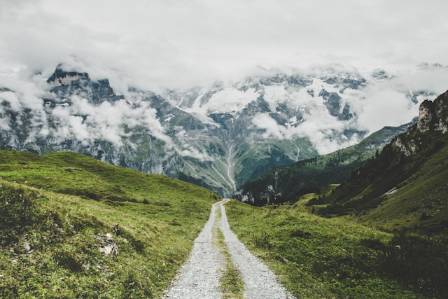
When you step into the great outdoors, few experiences rival the exhilaration of following winding paths that lead to awe-inspiring mountain panoramas. Trails are not merely routes through nature—they also serve as catalysts for local economies, support conservation initiatives, and provide insight into regional geology, wildlife habitats, and ecological systems.
Silas Reed
लेखक
मेटा
संदर्भ फील्ड नीचे उपलब्ध।
टाइप
पल्स नोट

When you step into the great outdoors, few experiences rival the exhilaration of following winding paths that lead to awe-inspiring mountain panoramas. Trails are not merely routes through nature—they also serve as catalysts for local economies, support conservation initiatives, and provide insight into regional geology, wildlife habitats, and ecological systems.
However, beneath their scenic beauty lies a complex array of challenges, including erosion, maintenance expenses, human-wildlife interactions, and the looming impacts of climate change. In this article, we’ll explore the realm of trails and mountains, discussing types of trails, the formation of mountains, wildlife habitats, safety measures, and ways to engage in conservation. Whether you’re an enthusiastic hiker or an environmentally conscious citizen, understanding these topics is key to preserving our natural legacy for the future.
The Significance of Trails and Mountain Conservation
Protecting trails and mountains is essential for ensuring that these invaluable ecosystems remain accessible and intact for generations to come. By recognizing their importance, we can take informed steps to safeguard them.
Why Trails Are Important
Trails play a pivotal role in maintaining ecological balance. They preserve habitats, link fragmented areas, and allow species to move freely, promoting genetic diversity and population health. Wildlife corridors alongside trails, for example, enable animals to migrate between seasonal habitats, helping them coexist alongside human settlements.
Trails also provide opportunities for recreation and learning. Whether hiking, birdwatching, or strolling leisurely, spending time on trails fosters a deeper connection with nature. They encourage mindfulness, physical activity, and an escape from urban routines.
Moreover, trails function as outdoor classrooms. Guided hikes and educational tours offer insights into local plants, animals, and geological formations, instilling a sense of stewardship. By exploring and appreciating these paths, visitors can become advocates for conservation and help ensure ecosystems remain healthy and vibrant.
When supporting trail initiatives, consider how they affect habitat connectivity and biodiversity. Collaborate with environmental experts and local organizations to create trails that benefit wildlife rather than harm it. In doing so, you help build a network of paths that link people with nature while protecting ecosystems.
Economic Impact of Trail Development
Trail creation can have a significant influence on rural communities and regional economies. Trail projects generate employment opportunities—from park rangers to hospitality workers—and studies suggest that each dollar spent on trail upkeep can yield up to ten dollars in economic benefits through tourism and jobs. Visitors also contribute to local businesses, spending money on lodging, meals, and services.
Proximity to scenic trails can boost property values, increasing local tax revenue and enabling investments in infrastructure and services. Well-planned trails can foster regional connectivity, linking towns and encouraging cooperation and shared resources.
By investing in trails, communities can meet growing interest in outdoor recreation while preserving natural landscapes. Local collaboration is key to maximizing economic and environmental benefits when developing new trails.
Challenges Facing Trails and Mountains
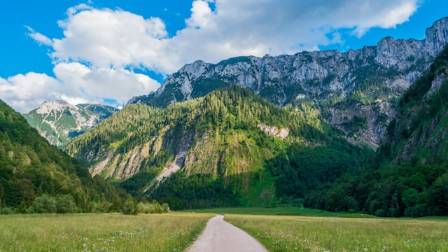
While mountains and trails inspire wonder, they are not immune to threats. Climate change is among the most pressing concerns, affecting ecosystems, melting glaciers, and altering wildlife habitats. Iconic ranges such as the Himalayas face retreating glaciers, which jeopardizes water supplies for millions.
Human activity also exerts pressure. Overcrowding can lead to erosion, litter, and strain on infrastructure. Popular destinations like Yosemite National Park have experienced trail degradation due to excessive foot traffic. Choosing less-visited trails or traveling during off-peak periods can help mitigate damage.
Natural hazards such as wildfires, landslides, and storms pose additional risks. Fires destroy vegetation and create unsafe conditions, while landslides can block trails or endanger hikers. Always check weather forecasts and local trail conditions, and follow guidance from rangers and authorities to ensure safety.
Types of Trails: From Short Walks to Extended Treks
Understanding trail types is essential for choosing a route that matches your skill level and goals.
Common Trail Types
Day hikes are ideal for beginners or those with limited time, typically ranging from 2–10 miles. They are designed for completion in a few hours, offering a quick nature escape. Consider terrain, elevation, and potential wildlife when selecting a day hike.
Multi-day treks provide an immersive experience, stretching 20–50 miles or more, requiring planning for food, water, and gear. Trails like the Appalachian Trail demand weeks to complete and offer an unforgettable connection to nature.
Biking trails accommodate cyclists of all abilities and often feature smooth, paved surfaces. Check the terrain, crossings, and wildlife considerations before embarking.
Selecting the right gear is crucial for comfort and safety. Essentials include sturdy footwear, backpacks, hydration, weather-appropriate clothing, and navigation tools. Always follow local guidelines.
Planning a Multi-Day Trek
Preparation is vital for extended hikes. Choose well-marked trails with accessible terrain and reliable water sources. Create a flexible itinerary accounting for your fitness, weather changes, and unexpected delays. Bring essential equipment, including boots, clothing, first-aid supplies, and emergency tools.
Train beforehand to build endurance, and listen to your body. Take regular breaks, stay hydrated, and always carry emergency supplies. Thoughtful preparation ensures a rewarding and safe multi-day trekking experience.
Mountain Geology and Formation
Understanding how mountains form adds depth to your outdoor adventures. Mountains result primarily from tectonic activity—the movement of Earth’s lithosphere. Colliding or diverging plates create mountains through orogenesis, while erosion and weathering shape their appearance over time.
Volcanic mountains emerge from lava flows or ash deposits, often forming cone-like peaks, such as Mount Fuji. Fold mountains form when tectonic plates compress the Earth’s crust, creating massive peaks like the Himalayas. Block and plateau mountains have their own distinct features, including uplifted rock formations and flat tops.
Recognizing these differences enriches your appreciation of mountain landscapes and geological history.
Wildlife and Ecosystems on Trails
Mountain ecosystems host diverse habitats, from alpine tundra to subalpine forests and montane grasslands. Each supports unique plant and animal species. Alpine tundra sustains small shrubs, grasses, and hardy wildlife, while subalpine forests shelter species like mountain goats and bears.
Animals have evolved remarkable adaptations to survive at high altitudes. Increased red blood cells, specialized oxygen storage, and behavioral shifts allow species like Tibetan antelope and Andean condors to thrive despite harsh conditions. Observing these adaptations reveals the complexity and resilience of nature.
Safety in the Mountains
Hiking and mountain exploration carry inherent risks. To stay safe, carry a first-aid kit, learn basic wilderness skills such as fire-building and shelter construction, and monitor weather conditions. Plan your route, respect your physical limits, and follow guidance regarding wildlife encounters.
Proper gear, careful planning, and situational awareness help prevent injuries and accidents. Stay alert, pace yourself, and enjoy the scenery responsibly.
Getting Involved in Trail Conservation
Conservation participation can range from volunteering to supporting organizations. Many groups maintain trails, restore habitats, and educate the public on sustainable practices. Activities may include tree planting, invasive species removal, or wildlife monitoring.
Supporting organizations like The Nature Conservancy, the Sierra Club, or local trail associations helps fund these efforts. Donations, advocacy, and spreading awareness contribute to preserving trails and mountains for future generations.
Joining local volunteer groups or educational programs connects you with like-minded individuals, ensuring that these landscapes remain accessible, vibrant, and protected.
By understanding trails, mountains, wildlife, and conservation, we can enjoy the outdoors while actively contributing to its preservation. Every step taken on a trail can be a step toward safeguarding our planet’s natural treasures.