नोट
The Beauty of Oil Paintings for Wall Decor
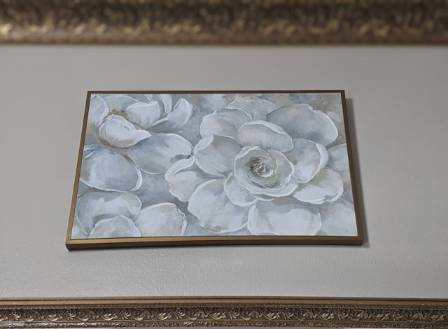
I’ve always been captivated by the lush textures and vivid hues of oil paintings. There’s something enchanting about how they animate walls, adding depth, personality, and warmth to any room. Unlike posters or prints, an oil painting carries a presence that feels timeless and intimate.
Mia Parker
लेखक
मेटा
संदर्भ फील्ड नीचे उपलब्ध।
टाइप
पल्स नोट
I’ve always been captivated by the lush textures and vivid hues of oil paintings. There’s something enchanting about how they animate walls, adding depth, personality, and warmth to any room. Unlike posters or prints, an oil painting carries a presence that feels timeless and intimate.
When decorating walls, oil paintings go far beyond mere ornamentation. They tell stories, stir emotions, and infuse a space with a cozy, inviting ambiance. Whether it’s a vibrant abstract or a tranquil landscape, these works can transform a room into a space that feels uniquely alive.
The Enduring Charm of Oil Paintings
Oil paintings possess a distinct allure, giving walls a sense of history and richness. Their presence enhances a room’s character and elegance, appealing to art enthusiasts and interior designers alike.
A Glimpse into History
Oil painting dates back to the 15th century, shaping centuries of artistic exploration. Masters such as Rembrandt, Vermeer, and Van Gogh pioneered techniques that continue to influence artists today. Owning an oil painting connects your home to this long-standing artistic tradition, offering both cultural value and conversation-worthy appeal.
Texture and Dimensionality
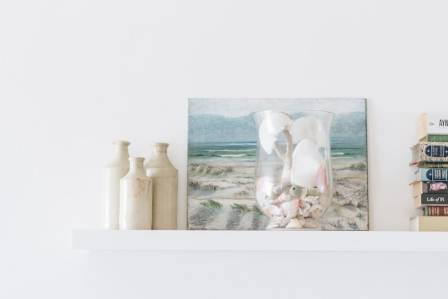
One of the defining features of oil paintings is their texture. Layers of thick brushstrokes and glazes create surfaces that play with light in subtle, shifting ways throughout the day. This tactile richness encourages viewers to look closer, offering a dynamic experience that flat prints cannot replicate. Oil paintings transform walls into living, breathing galleries.
How Oil Paintings Elevate Interior Spaces
Oil paintings enhance interiors by adding color, depth, and character. Their richness brings life to walls and creates a visual impact that prints or posters often lack.
Making a Room’s Focal Point
I often use oil paintings as the anchor for a room, drawing the eye to the area that matters most. Bold brushwork and dynamic colors command attention and establish a clear focal point. Large, energetic paintings bring vibrancy to living areas, while smaller, detailed works create an intimate atmosphere in bedrooms or studies. The right painting can spark conversation and set the tone for the entire space.
Complementing Different Decor Styles
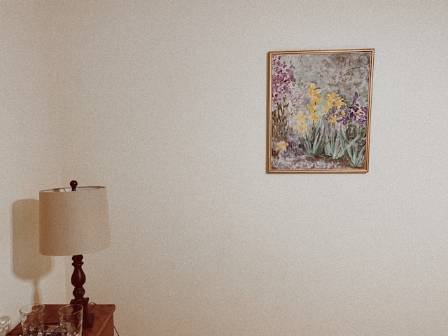
Oil paintings are incredibly versatile, blending seamlessly with a wide range of interior styles—from sleek modern minimalism to classic traditional or rustic farmhouse aesthetics. By aligning colors and themes with existing decor, the artwork complements the environment instead of competing with it. A bold abstract can elevate a contemporary space, while a lush landscape can soften industrial interiors. This adaptability makes oil paintings a perfect choice for anyone seeking to enhance their home’s visual appeal.
Choosing the Perfect Oil Painting
Selecting an oil painting adds character and personality to your home. When choosing a piece, consider size, color, and theme to ensure it harmonizes with your space.
Key Considerations: Size, Color, and Theme
The scale of a painting matters. Large works make dramatic focal points in open rooms, while smaller pieces are ideal for intimate corners or above desks. Color should complement—or thoughtfully contrast with—your existing palette, maintaining balance and vibrancy. The theme sets the mood: abstracts energize, landscapes soothe, and portraits bring personal connection. Matching the theme to your room’s purpose helps achieve visual harmony.
Ensuring Authenticity and Quality
Authenticity affects both value and longevity. Look for artist signatures, provenance records, or gallery certificates. High-quality oil paintings feature rich textures, precise brushwork, and vibrant pigments. Examine pieces under natural light to appreciate true colors and details, and avoid overly glossy surfaces that can obscure texture. Trust reputable galleries, where every piece is carefully vetted for craftsmanship and artistic merit.
Caring for Your Oil Paintings
Proper care preserves an oil painting’s beauty and ensures it remains a cherished part of your home for years.
Cleaning and Maintenance
Oil paintings require gentle upkeep. Dust them regularly with a soft brush or microfiber cloth to remove surface debris. Avoid water, sprays, or household cleaners, as these can damage paint and varnish. For significant dirt or stains, always consult a professional conservator. Regular inspection allows early detection of issues like cracking or discoloration.
Protection from Damage
Placement is crucial for preserving oil paintings. Keep them out of direct sunlight to prevent fading and heat damage, which can cause warping or cracking. Maintain a stable environment, ideally around 70°F with 40–50% humidity. Avoid hanging paintings near fireplaces, radiators, or vents. When moving or storing art, use padded materials and handle frames with care to prevent scratches or dents. Following these precautions keeps the paint vibrant and the texture intact.
Conclusion
Oil paintings have a way of breathing life into any space. They offer warmth, personality, and a link to centuries of artistic tradition that few other decor pieces can match.
Choosing the right painting is like welcoming a story into your home—a story that enriches your surroundings every day. With mindful care, these artworks can remain inspiring and beautiful for generations, continuing to transform walls into vibrant, meaningful spaces.