नोट
How Robots Are Pioneering Space Exploration
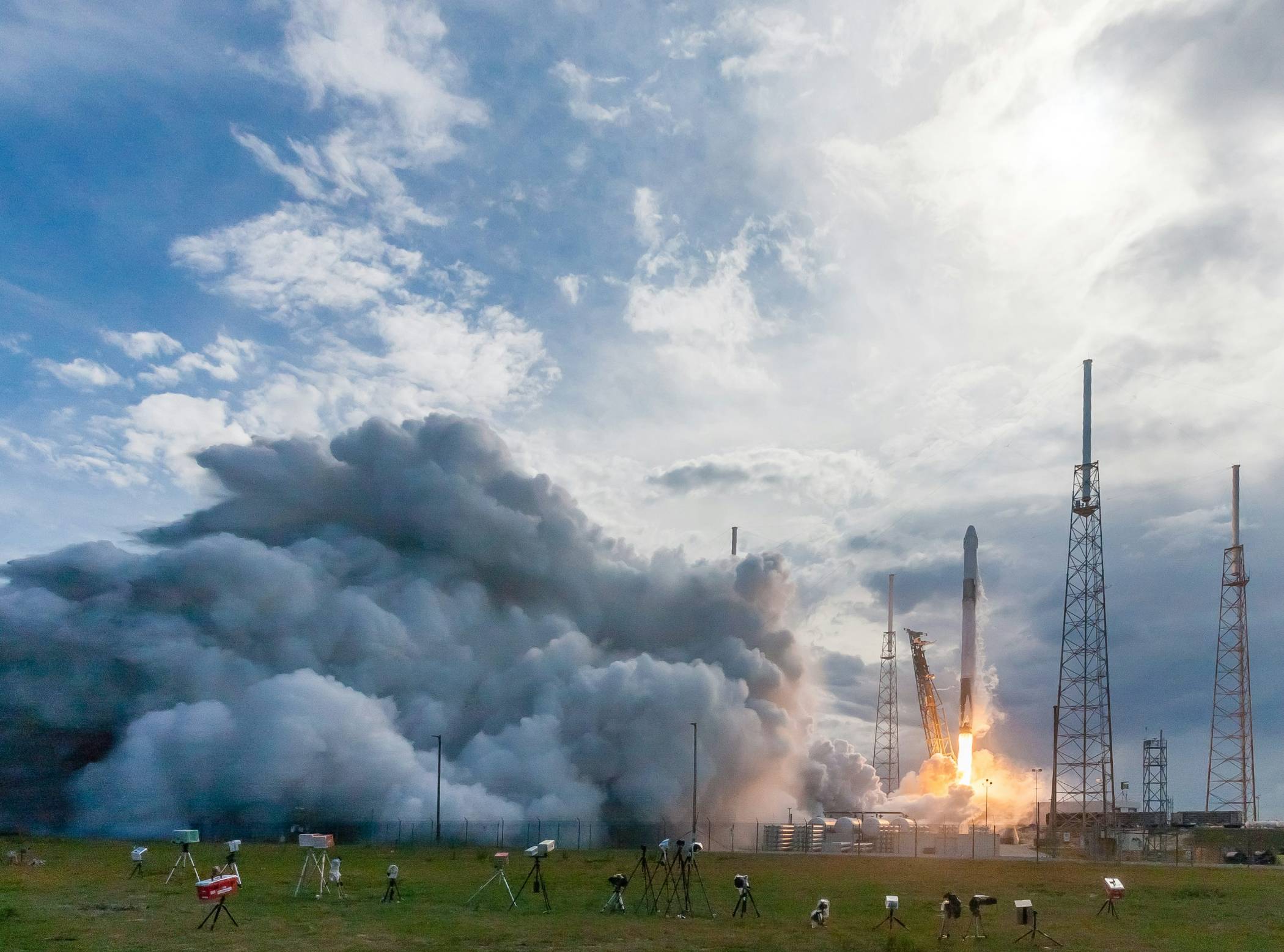
Space exploration has traditionally been the realm of intrepid astronauts and cutting-edge spacecraft. Yet, in recent years, a new kind of explorer has emerged—robots that surpass human physical limits to venture into the far reaches of the cosmos.
Chloe Bennett
लेखक
मेटा
संदर्भ फील्ड नीचे उपलब्ध।
टाइप
पल्स नोट
Space exploration has traditionally been the realm of intrepid astronauts and cutting-edge spacecraft. Yet, in recent years, a new kind of explorer has emerged—robots that surpass human physical limits to venture into the far reaches of the cosmos.
Robots bring unmatched durability, precise capabilities, and growing autonomy, making them essential partners in the future of space research. More than tools of human curiosity, they act as interstellar envoys, traveling to distant worlds to collect vital scientific information and pave the way for future exploration.
Robotic Rovers
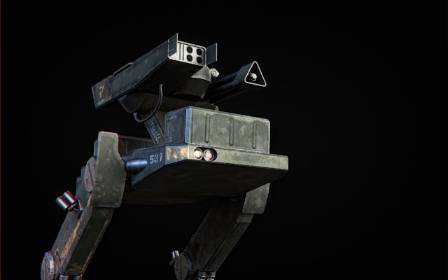
The surface of Mars is harsh, barren, and extremely challenging for human visitors. Robotic rovers like Curiosity and Perseverance have repeatedly traversed this hostile terrain, and next-generation explorers, including robotic earthworms capable of burrowing, may soon analyze soil composition while protecting themselves from extreme conditions.
Equipped with advanced sensors and scientific instruments, these rovers investigate the planet’s geology, chemistry, and potential signs of life, past or present. Their work has unveiled clues about Mars’ history and evolution, expanding our knowledge of planetary processes and inspiring new approaches for exploring the universe.
Robotic Landers
Landers such as InSight, which recently concluded its mission probing Mars’ interior, specialize in touching down on alien surfaces with precision. Unlike rovers, landers remain stationary while conducting in-depth studies of soil, rocks, and atmospheres.
These robotic explorers deliver stable platforms for detailed measurements, helping scientists uncover the internal structures and geological histories of planets and moons. Their insights reveal secrets hidden beneath surfaces that humans cannot easily access.
Robotic Orbiters
Orbiters continuously circle celestial bodies, gathering data that human explorers cannot reach directly. Spacecraft like the Mars Reconnaissance Orbiter and Lunar Reconnaissance Orbiter have provided a wealth of information about Mars and the Moon.
High-resolution imaging captures intricate surface details, while onboard instruments analyze geology, atmospheric conditions, and other phenomena. Orbiters provide a constant stream of information that drives our understanding of planetary evolution, the potential for life elsewhere, and cosmic processes shaping the solar system.
Robotic Manipulators
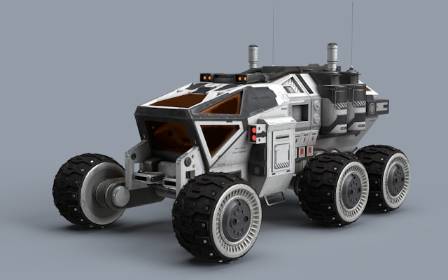
Manipulators function as robotic “hands” in space, extending human abilities beyond direct reach. Systems like Canadarm2 on the International Space Station and the robotic arm on the Perseverance rover highlight their dexterity and precision. Future humanoid robotic avatars may allow astronauts to control operations remotely.
These appendages can perform delicate tasks such as repairing satellites, collecting samples, and conducting scientific experiments, offering reliability and skill where human presence is impractical or impossible.
The Future of Robotics in Space
As robotics technology advances, robots will play increasingly pivotal roles in space exploration. Enhancing autonomy, decision-making, and adaptability is a key focus for future missions.
Robots are expected to journey farther into the solar system, exploring moons, asteroids, and distant planets. They may help build habitats, mine resources, and scout locations for potential human settlements. These robotic pioneers are essential to understanding the feasibility of life and work beyond Earth.
Ultimately, robotic explorers will redefine how we study and interact with the universe—not merely observing from afar, but actively participating in space exploration.

Build Your Career in Space Robotics
Capitol Technology University offers programs in Aviation and Astronautical Sciences and Unmanned Systems, preparing students to develop the next generation of space robots and expand the frontiers of human knowledge. For more information, reach out to the Admissions Office at admissions@captechu.edu.