नोट
The Long Evolution of the Personal Dressing Table in Home Design
Nearly every modern household contains a designated area where residents prepare their appearance for the day. Dressing tables have quietly integrated into daily routines, shaping personal grooming habits without people giving them much conscious thought. Exploring the rich background of this ubiquitous piece of furniture reveals an incredible journey starting from the grand royal estates of Europe, moving through the sophisticated residences of nineteenth-century America, and eventually settling into modern residential bedrooms.
Chase Andrew Wallace
लेखक
मेटा
संदर्भ फील्ड नीचे उपलब्ध।
टाइप
पल्स नोट
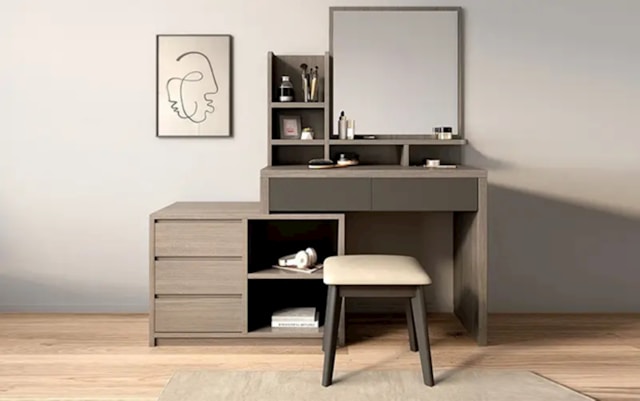
Nearly every modern household contains a designated area where residents prepare their appearance for the day. Dressing tables have quietly integrated into daily routines, shaping personal grooming habits without people giving them much conscious thought. Exploring the rich background of this ubiquitous piece of furniture reveals an incredible journey starting from the grand royal estates of Europe, moving through the sophisticated residences of nineteenth-century America, and eventually settling into modern residential bedrooms.
Early Origins and the Ritual of Personal Grooming
The physical development of the vanity table is deeply connected to historical habits of personal care and hygiene that date back centuries. During earlier historical periods, women would temporarily transform a standard household table into a dedicated preparation area by covering the surface with a specialized cloth wrapper. This simple practice gradually evolved throughout the Renaissance as the demand grew for dedicated, highly personalized furniture pieces capable of organizing cosmetics, hairpieces, and grooming accessories safely out of sight when they were not actively being used.
Royal Luxury and Social Power in Eighteenth Century Europe
By the middle of the eighteenth century, the specialized dressing table reached an absolute peak in elaborate decoration and took on an important multi-functional role in high society. Elite craftsmen commissioned by royalty in prominent European courts created incredibly opulent wooden pieces featuring intricate artistic embellishments. Celebrated royal figures were frequently depicted sitting at their personalized tables, offering regular citizens a direct look at immense wealth and elite status. During this era, getting ready in front of guests transformed into an important public ceremony, where visiting a prominent woman during her morning preparation offered a unique avenue for political discussions and social networking among the ruling class.
Satire Gender Shifts and Transatlantic Influence
This prominent furniture piece also carried complex cultural meanings, representing both the sophisticated lifestyle of the wealthy and the high personal cost of self-obsession. The extensive time and effort spent on daily preparation frequently became the target of popular satirical drawings that poked fun at how far individuals would go to appear wealthy and attractive. This focus on appearance was not limited to women, as young men of the era also consumed beauty products heavily and spent hours in front of mirrors. As daily shaving grew in popularity, specialized tables adapted to male users by incorporating longer legs, boxy frames, and detached adjustable mirrors. Across the ocean, these tables became a common fixture in wealthy colonial American households, with local woodworkers closely mimicking imported European furniture catalogs to satisfy the public demand for high-class style.

Industrial Production and the Shift into Private Spaces
The arrival of the mid-nineteenth century brought about industrial manufacturing methods that permanently changed how furniture was constructed. Instead of being individually commissioned by wealthy patrons, dressing tables were produced rapidly and affordably, allowing them to reach a massive new middle-class audience. For families looking to establish respectability among their peers, filling a home with high-quality furniture pieces indicated both an abundance of leisure time and extra household income. Etiquette guides from the late nineteenth century detailed a massive variety of essential items meant specifically for these tables, including jewelry cases, cushioned pin containers made from fine materials, grooming combs, and specialized perfume bottles. As homes became more compact and fewer families employed household servants, these large vanity setups moved directly into the bedroom, becoming smaller and more streamlined to match existing bedroom sets.
Modern Art Movements and the Influence of Cinema
The dawn of the twentieth century introduced massive innovations in both the physical appearance and cultural meaning of personal vanities. High-end international design exhibitions challenged cheap mass production by introducing handcrafted wood elements that reflected the unique personality of the individual user, turning the dressing table into a creative canvas for experimental art movements. For the general public, the furniture piece became closely tied to changing societal standards and expanding independence for women entering the workforce. By the nineteen thirties and forties, women regularly looked to popular cinema for fashion inspiration, as Hollywood movies glamorized the act of applying cosmetics and portrayed the vanity table as a space of intrigue and performance. The rapidly growing beauty industry capitalized on this cultural shift, adding built-in electric lightbulbs, multiple storage drawers, and expansive mirrors to standard retail models.
Postwar Simplicity and the Lasting Value of the Vanity
Following major global conflicts, household furniture design shifted toward industrial utility and simple structures that prioritized clean lines over unnecessary decoration. The growing middle class embraced standard living arrangements that left little room for frivolous luxury or attention-grabbing details, demanding practical vanities that blended smoothly with the surrounding bedroom environment. Modern advice columns recommended positioning the dressing table directly in front of a window to ensure optimal natural light for daily preparation. Today, the classic vanity remains a common household feature that adapts continuously to shifting design trends, serving as an exceptional time capsule that reveals how different generations have viewed personal appearance, gender expectations, and domestic interior style throughout history.