← वर्कस्पेस2 मिनट
नोट
10 Surprising Facts About Warsaw’s Iconic Palace
Constructed in the 1950s and handed over to Poland by the Soviet Union, the Palace of Culture and Science was meant as a symbol of friendship — yet for many, it remains a reminder of the Communist era.
O
Olivia Bennett
लेखक
मेटा
संदर्भ फील्ड नीचे उपलब्ध।
टाइप
पल्स नोट
1. A Controversial “Gift”
Constructed in the 1950s and handed over to Poland by the Soviet Union, the Palace of Culture and Science was meant as a symbol of friendship — yet for many, it remains a reminder of the Communist era.
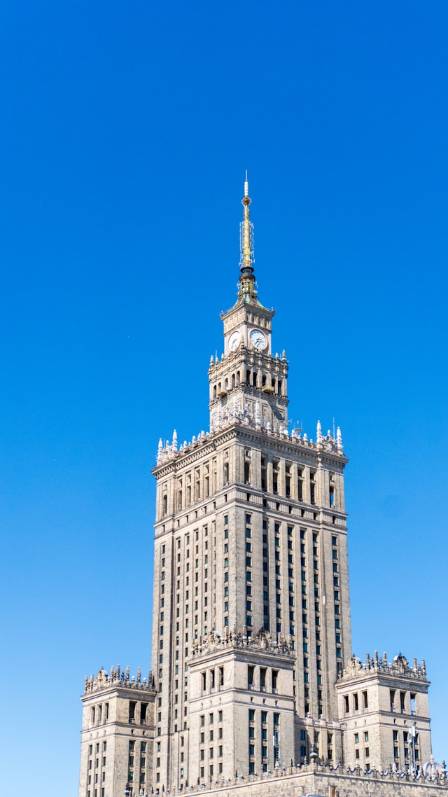
2. Four Mermaids on the Clock
Added on New Year’s Eve 1999, a massive clock with four faces crowns the building’s summit. Each side bears the symbol of Warsaw—the mermaid, or syrenka. At the time of installation it was one of Europe’s largest clocks.
3. Bars and Nightlife Inside
Despite its official cultural-and-scientific purpose, the building houses more than ten licensed bars, cafés, and even a nightclub. One of the most memorable spots: a 30th-floor terrace you can reach in just 19 seconds by lift, with a drink and a view.
4. Feline “Staff” on Rodent Patrol
In the lower levels and basement, cats are deployed to keep mice and rats at bay. It’s an unexpectedly practical solution in an otherwise grand monument.
5. One of the Tallest Buildings in the EU
At 237 meters (about 778 feet), the Palace stands among the tallest structures in the European Union. Its height alone makes it a dominant feature of Warsaw’s skyline.
6. Thousands of Rooms
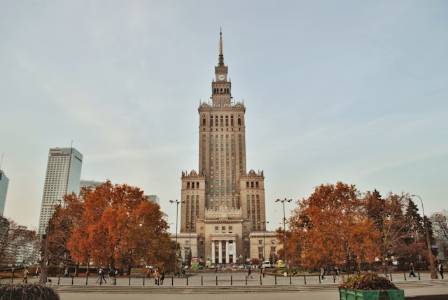
The building boasts a staggering 3,288 rooms — from offices and conference halls to toilets and theaters. The main auditorium alone seats nearly 2,900 people.
7. A Full-Blown Sports & Youth Centre
Beyond theaters and museums, the building also hosts a sports arena: swimming, basketball, gym-sessions and youth activities make it more than just an observation tower.
8. “Miss World” Final Venue
In 2006, the building’s Congress Hall held the finale of the Miss World pageant — the first time the event took place in a continental European city other than London.
9. A Mural Honouring David Bowie
When English singer David Bowie visited Warsaw in 1973, he was inspired by the city and later referenced it in his song “Warszawa.” A mural near the palace commemorates his connection to the landmark.
10. Tiles from the Soviet Union
The exterior cladding comprises tiles made in the Ural Mountains and transported thousands of kilometres to Warsaw. Built by thousands of workers — Polish and Soviet — the origin of those tiles speaks to the building’s complex history.
Why It Still Matters
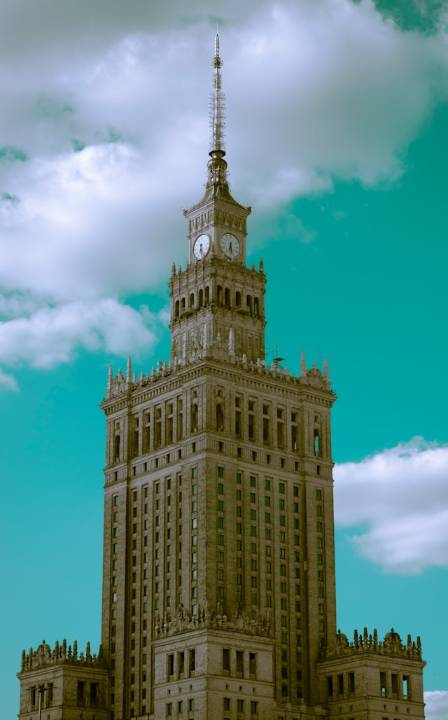
Whether viewed as a symbol of power or a thriving hub of culture, the Palace of Culture and Science remains an essential part of Warsaw’s identity. With its mix of history, architecture, nightlife, and surprising details, it invites you to look deeper and experience Warsaw in full scale.
If you’re heading there, take the elevator up to the observation deck, enjoy the cityscape, maybe stop for a drink, and remember the stories layered into the walls of this building.
संबंधित

en
Ultimate Fresh Strawberry Cake Recipe (From-Scratch, No Jell-O or Box Mix)

en
Global Afternoon Tea Indulgence
en
Getting to Know the Blue Morpho Butterfly A Wonder of the Natural World

hi
अक्षय ऊर्जा के लिए मार्ग प्रशस्त करने वाले 5 अभूतपूर्व नवाचार

hi
एआई क्रांति: दो साल बाद

hi