नोट
Future of Commuting: Connected Transportation Trends
Daily commuting has become a core part of modern life. Whether people are traveling to work, attending school, or heading out for leisure, the methods we use to move around strongly influence comfort, productivity, and overall well-being. With rapid progress in technology and infrastructure, commuting is on the verge of a major shift that will reshape urban and intercity mobility.
Kendall Brooks
लेखक
मेटा
संदर्भ फील्ड नीचे उपलब्ध।
टाइप
पल्स नोट

Daily commuting has become a core part of modern life. Whether people are traveling to work, attending school, or heading out for leisure, the methods we use to move around strongly influence comfort, productivity, and overall well-being. With rapid progress in technology and infrastructure, commuting is on the verge of a major shift that will reshape urban and intercity mobility.
Rise of Electric Vehicles (EVs)
Electric vehicles are gaining momentum as more individuals and governments push toward cleaner and more sustainable transportation options. Improvements in battery efficiency, charging speed, and charging network coverage are accelerating adoption. Beyond electric cars, electric bicycles, scooters, and other micro-mobility devices are expanding the range of green commuting choices available to urban travelers.
Autonomous Vehicles (AVs)
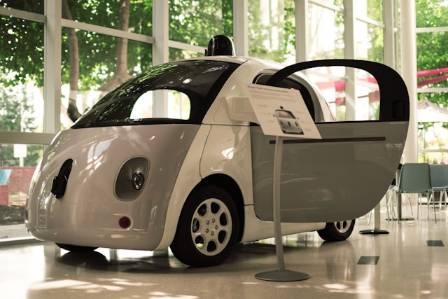
Self-driving technology is emerging as one of the most transformative developments in transportation. Autonomous vehicles aim to improve road safety, reduce human error, and provide more convenient travel experiences. With major investments from companies such as Tesla, Google, and Uber, the transition toward driverless mobility is steadily advancing toward real-world deployment.
Shared Mobility Services
Ride-hailing and vehicle-sharing platforms are reshaping how people access transportation. These services provide flexible, on-demand travel without requiring ownership of a private vehicle. By optimizing vehicle usage and reducing idle cars on the road, shared mobility also contributes to easing urban congestion and lowering transportation costs for users.
Hyperloop Transportation
Hyperloop systems represent a futuristic high-speed travel concept that uses low-pressure tubes and magnetic levitation to move passengers at extremely high speeds, potentially reaching up to 700 mph. Projects under development across regions such as North America, Europe, and Asia suggest that this technology could drastically shorten intercity travel times and redefine long-distance commuting.
Urban Air Mobility (UAM)
Urban air mobility introduces the possibility of flying taxis and short-distance aerial transport within cities. Powered by electric vertical takeoff and landing aircraft, this concept is being explored by aerospace and tech companies aiming to reduce ground traffic and provide rapid point-to-point urban travel solutions.
Smart Infrastructure
Modern transportation systems are increasingly supported by intelligent infrastructure. Smart traffic management systems, sensor-equipped roads, adaptive traffic signals, and connected parking technologies are improving traffic flow, reducing delays, and enhancing safety while also supporting more efficient energy use across transportation networks.
Mobility as a Service (MaaS)
Mobility as a Service integrates multiple transportation options into a single digital platform. Users can plan, book, and pay for trips that combine buses, trains, ride-sharing, cycling, and other modes seamlessly. This unified approach simplifies travel planning and encourages more efficient use of public and shared transportation systems.
Sustainable Transportation
Environmental concerns are driving a shift toward greener commuting options. Cities are investing heavily in infrastructure that supports low-emission transport, including electric vehicles, public transit systems, cycling lanes, and pedestrian-friendly urban design. These efforts aim to reduce pollution and decrease reliance on fossil fuels.
Personalized Commuting Experiences
Artificial intelligence and advanced data analytics are enabling transportation systems to tailor services to individual users. From optimized route suggestions to real-time travel adjustments based on user behavior, commuting is becoming more adaptive, efficient, and aligned with personal preferences.
Multi-Modal Transportation Hubs
Integrated transit hubs are becoming essential elements of modern mobility systems. These centers connect different transportation modes—such as buses, trains, bicycles, and scooters—into a single accessible location. This integration allows passengers to switch between transport types easily, improving overall travel efficiency and convenience.
Conclusion
The future of commuting is rapidly evolving. Innovations such as electric vehicles, autonomous driving systems, hyperloop networks, and urban air mobility are reshaping how people move. As these technologies continue to develop, commuting is expected to become faster, cleaner, more connected, and significantly more efficient for people around the world.
संबंधित

सूरजमुखी के रेखाचित्र बनाने और चित्रित करने के लिए व्यापक मार्गदर्शिका

Vintage Sports Cars That Still Carry A High Value

The Art of the Feline Finesse: A Guide to Proper Cat Petting

Cheese Foam Tea: The Viral Beverage Taking the World by Storm

आदर्श धूप के चश्मे चुनने के लिए संपूर्ण मार्गदर्शिका