← वर्कस्पेस5 मिनट
नोट
Guide to Chinese New Year Traditions and Events (2026): A Day-by-Day Breakdown
You might be curious about the duration of the Lunar New Year festivities. In China, the celebration spans sixteen days, beginning on New Year's Eve and culminating with the Lantern Festival
K
Kristina
लेखक
मेटा
संदर्भ फील्ड नीचे उपलब्ध।
टाइप
पल्स नोट
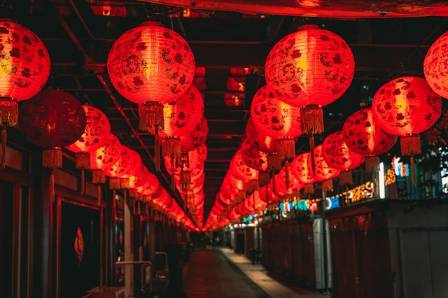
You might be curious about the duration of the Lunar New Year festivities. In China, the celebration spans sixteen days, beginning on New Year's Eve and culminating with the Lantern Festival. Preparation typically starts two weeks prior to the main event. While many activities are rooted in ancient heritage, some modern practices have also emerged. In 2026, Chinese New Year arrives on February 17th. Below is a comprehensive daily schedule detailing how the holiday is observed.
Early Preparations and Cultural Activities (Jan. 26 – Mar. 3, 2026)
January 26, 2026: Laba Festival
For many, the festive season starts on the eighth day of the twelfth lunar month with the Laba Festival. This date signifies the traditional commencement of the Spring Festival period. The primary focus is honoring ancestors and deities to ensure future prosperity and a fruitful harvest. Traditional foods consumed on this day include Laba congee, specialized tofu, and Laba noodles.
February 10 or 11, 2026: Little Year
The "Little Year" serves as the official kickoff for New Year preparations. During this time, families purchase holiday supplies, perform spiritual rituals for the Stove God, and begin organizing their homes. It is a period for saying goodbye to the past and welcoming the future. Depending on regional customs, the North celebrates on the 23rd day of the lunar month, while the South typically observes it on the 24th.
February 11, 2026: Cleaning the Home
Starting on the 24th day of the final lunar month, households undergo an intensive "winter cleaning." This ritual is known as "dusting away the old," symbolizing the removal of bad luck from the previous year to make room for the new year’s blessings.
February 10–16, 2026: Festive Shopping
Similar to the Christmas rush in the West, the days leading up to New Year's Eve are a peak period for commerce. People flock to street markets to buy festive snacks, home ornaments, fireworks, and brand-new clothing. Even those who are usually frugal tend to spend liberally during this time to ensure their family starts the year with new items.
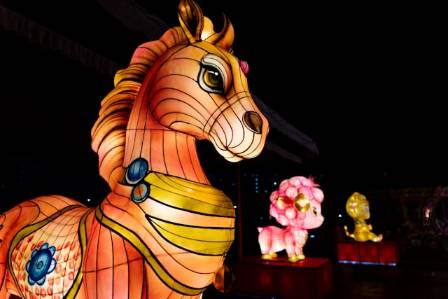
Traditions of Chinese New Year’s Eve (Feb. 16, 2026)
1. Decorating the Residence
While some start early, the majority of people hang their decorations on New Year's Eve. Homes are brightened with red lanterns, poetic couplets, intricate paper-cut art, and festive paintings. These items are believed to repel negative energy and invite health and peace. Since 2026 represents the Year of the Horse, equine imagery will be a prominent feature in these decorations.
2. Honoring Ancestors
Conducting sacrificial rites for ancestors is a vital sign of filial piety. It is believed that the spirits of forefathers provide protection and success to their living relatives. Many families perform these rituals before their big dinner, offering meat and incense to signify that the ancestors are invited to feast first.
3. The Family Reunion Banquet
The reunion dinner is the most essential meal of the year. Family members often travel immense distances to be together, which creates the world’s largest annual migration. Multi-generational families gather around large circular tables to eat symbolic foods like fish (representing surplus), dumplings (representing wealth), and rice cakes (representing growth).
4. Viewing the New Year Gala
It has become a modern tradition for households to tune into the CCTV New Year Gala during or after dinner. This massive variety show features the nation’s top talent in music, dance, and acrobatics, running from 8 pm until the midnight countdown.
5. Distributing Red Packets
After the evening meal, elders give children red envelopes filled with "lucky money." The red color symbolizes good fortune, and the gift is intended to wish the younger generation health and academic success in the coming year.
6. Staying Awake for the New Year
This practice, known as "shousui," involves staying up late to welcome the new year. While people historically stayed awake until dawn, modern families usually stay up until the midnight fireworks display concludes.
Observing New Year’s Day (Feb. 17, 2026)
The actions taken on this first day are thought to set the tone for the entire year's luck.
1. Fireworks and Firecrackers
As midnight strikes, a massive symphony of fireworks erupts across the country. In rural regions, firecrackers are often set off before every meal for the first few days of the holiday. The loud noise is intended to scare away evil and herald a prosperous season for business and farming.
2. Festive Attire and Social Greetings
People dress in their new clothes and exchange "gongxi" greetings, wishing friends and neighbors happiness. It is a time for the youth to visit their elders to show respect. In the digital age, many now send these well-wishes via mobile apps like WeChat or through electronic greeting cards.
3. Cultural Performances
Traditional lion and dragon dances are frequently performed in public spaces and streets on the first day. These vibrant performances are particularly popular in regions like Hong Kong and Macau and are seeing a revival across mainland China.
4. Temple Fairs and Public Festivities
Public parks and temples become centers of celebration, hosting fairs that feature traditional crafts and performances. These events often run from the start of the New Year until the Lantern Festival, providing a space for communal joy.
Day 2 through Day 15 of the New Year
Day 2 (Feb. 18, 2026): Visiting Maternal Parents
On the second day, it is traditional for married women to return to their original family homes to visit their parents. This day is also dedicated to honoring the God of Wealth in hopes of a financially successful year.
Days 3–7 (Feb. 19–23, 2026): Social Visits and Taboos
During this period, people visit the homes of friends and extended relatives. On the third day, some visit ancestral graves, though others stay home to avoid bad omens. Notably, people avoid sweeping their floors during the first two days to ensure they don't accidentally "sweep away" the good luck brought in by the New Year.
Day 8 (Feb. 24, 2026): Resuming Business
Most people return to their professional lives on the eighth day. Because the number eight is associated with wealth in Chinese culture, many businesses choose this specific date for their grand reopening.
Day 15 (Mar. 3, 2026): The Lantern Festival
The festivities conclude with the Lantern Festival. This beautiful evening involves the release of glowing lanterns into the sky or onto bodies of water. It marks the formal end of the Spring Festival season.
Regional and Global Observations
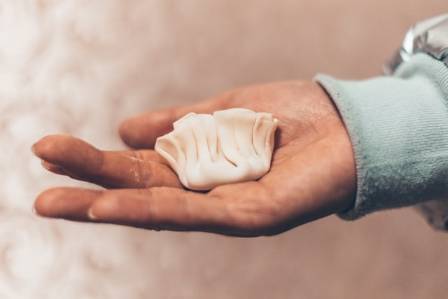
Celebrations vary significantly by geography. Northern Chinese households focus on making dumplings, whereas Southern families often prefer spring rolls or sticky rice cakes. Beyond the borders of China, the Lunar New Year is celebrated across East Asia and in Chinatowns worldwide, from London to San Francisco, featuring parades, traditional foods, and community gatherings.
संबंधित

en
AI Companion Robots for Home Use

hi
ह्यूमनॉइड रोबोट को समझना: डिज़ाइन, प्रशिक्षण और एकीकरण

en
Eternal Affection for Vintage Automobiles
en
The Origin and Evolution of Shui Mo Painting: A Journey Through Chinese Cultural Heritage

hi
परिवहन में शीर्ष 10 नवाचार

en