The Innate Drive: Evolutionary Roots of Rolling Behavior
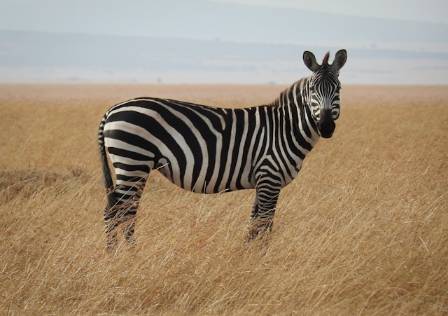
Across Africa’s sprawling savannas and grasslands, zebras engage in a behavior that appears playful at first glance but is deeply rooted in millennia of evolutionary adaptation. Rolling in dust and mud is not a trivial pastime for these striped equids but a critical survival strategy, observed across all three zebra species—plains zebras (Equus quagga), mountain zebras (Equus zebra), and Grevy’s zebras (Equus grevyi)—and in individuals of all ages, from newborn foals to mature adults. Foals begin mimicking this behavior within their first weeks of life, learning by observing herd members, while captive zebras in zoos and sanctuaries continue the practice even without the full range of wild environmental pressures. Evolutionary biologists note that zebras are highly selective about their rolling sites, often returning to the same patches of fine, dry dust or muddy depressions near water sources, a testament to the behavior’s importance. This innate drive reflects a multifunctional adaptation that addresses some of the most pressing challenges of their habitat, from parasite infestations to extreme heat.
A Shield Against Biting Insects: Defense Beyond Stripes
One of the primary purposes of dust and mud rolling is to protect zebras from the relentless threat of biting insects, which plague Africa’s grasslands. Flies, mosquitoes, tsetse flies, and ticks are more than mere nuisances—they transmit life-threatening diseases such as African horse sickness, equine infectious anemia, and trypanosomiasis. By coating their bodies in a layer of dust or dried mud, zebras create a physical barrier that blocks insects from piercing their skin with their proboscises. Research shows that dried mud disrupts the insects’ ability to detect the zebra’s body heat and odor, which they rely on to locate hosts. During peak insect seasons, zebras may roll multiple times a day, intensifying their defense when the risk of disease is highest. This adaptation complements their iconic stripes, which already confuse some insects, creating a two-pronged defense that significantly improves their chances of survival in insect-rich environments.
Natural Sunscreen and Cooling System: Beating the African Heat
The scorching African sun poses a severe threat to zebras, with savanna surface temperatures often exceeding 49°C (120°F), risking sunburn and heat stress. The layer of dust or mud from rolling serves as a natural sunscreen, reflecting UV radiation and shielding their dark skin—visible beneath their stripes—from prolonged sun exposure. Mud offers an added benefit: as it dries, it draws heat away from the body through evaporative cooling, similar to human sweating. Thermal imaging studies have documented that a fresh mud coating can lower a zebra’s surface temperature by 3–5.5°C (5–10°F), with some extreme cases showing drops of up to 8.3°C (15°F). Zebras strategically time their rolling to maximize these effects, often wallowing in mud during the late morning before temperatures peak, ensuring they stay cool through the hottest parts of the day. This thermoregulatory function is especially critical in arid regions, where water scarcity limits other cooling options.
Parasite Control and Skin Health: A Natural Grooming Ritual
Beyond flying insects, zebras face threats from external parasites like mites, lice, and fungi that can damage their skin and coat. The abrasive texture of dust and sand particles acts as a natural exfoliant during rolling, dislodging parasites from hard-to-reach areas as zebras rock back and forth. The vigorous motion of rolling—often involving side-to-side shifts and full-body presses—creates a scrubbing effect that removes dead skin cells, old hair, and parasite eggs. Additionally, mineral-rich mud, particularly varieties containing sulfur or clay, has mild antiseptic properties that soothe skin irritations and inhibit fungal growth. Zoologists have observed that zebras with regular access to dust or mud baths exhibit healthier, shinier coats and fewer skin infections compared to those without, highlighting the behavior’s role in maintaining overall physical wellbeing.
Social Cohesion: Rolling as a Herd Bonding Activity
Rolling behavior plays a vital role in zebra herd dynamics, fostering social bonds and communal protection. When one zebra begins rolling, it often triggers a chain reaction, with multiple herd members taking turns at the same site. This synchronized activity allows zebras to strengthen social connections while keeping watch for predators—some individuals remain alert while others roll, ensuring the herd’s safety. Dominant zebras typically have priority access to preferred rolling spots, with subordinates waiting their turn, reinforcing the herd’s hierarchy. Shared rolling sites also facilitate the transfer of beneficial soil bacteria among herd members, potentially boosting “social immunity” by exposing the group to a diverse range of microbes. For young zebras, observing adult rolling behavior is a crucial learning experience, teaching them to identify safe, effective sites and techniques, passing down essential survival knowledge through generations.
Seasonal Shifts: Adapting Rolling Behavior to Environmental Changes
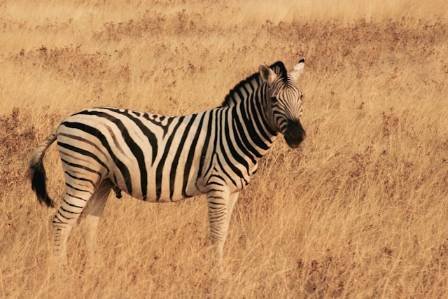
Zebras are highly flexible in their rolling habits, adjusting to seasonal variations in their environment. During the dry season, when dust is abundant but water is scarce, dust-bathing becomes the primary form of rolling. Zebras typically choose cooler times of day—early morning or late afternoon—for these baths, as fine dust adheres better to their coats when temperatures are lower. In contrast, the wet season brings ample mud, and zebras shift to wallowing, leveraging mud’s superior cooling and longer-lasting protective properties. Field studies in Kenya’s Masai Mara have documented zebras traveling several kilometers out of their way to reach favored mud wallows after seasonal rains, demonstrating their willingness to expend energy for this vital behavior. This seasonal adaptability ensures zebras can maintain their defenses year-round, regardless of changing environmental conditions.
Species-Specific Variations: Rolling Adapted to Habitat
Each zebra species has evolved unique rolling behaviors tailored to their specific habitats. Plains zebras, which inhabit open grasslands with abundant water holes, engage in frequent, elaborate mud wallowing, sometimes spending up to 15 minutes at a time. Their rolling sites are often near water sources, allowing them to combine drinking, socializing, and wallowing in one location. Mountain zebras, adapted to arid, rocky environments, rely more heavily on dust bathing, using vigorous, short rolls to compensate for the scarcity of mud. The endangered Grevy’s zebra, which lives in the driest habitats of the three species, has developed highly efficient dust-bathing techniques: they paw at the ground to create shallow “dust bowls” before rolling, minimizing water use while maximizing protection. These variations highlight how rolling behavior has coevolved with each species’ ecological niche, ensuring survival in diverse environments.
Stripe Maintenance: An Unexpected Benefit of Rolling
Zebras’ iconic black-and-white stripes serve multiple functions, from confusing predators to regulating body temperature, and rolling plays a surprising role in maintaining their effectiveness. Fine dust particles adhere differently to the zebra’s coat: dust sticks more readily to the slightly oilier black stripes, while falling away from the white stripes, temporarily enhancing the contrast of the pattern. This increased contrast may improve the stripes’ ability to deter biting insects, as research suggests flies struggle to land on high-contrast surfaces. Additionally, the abrasive action of rolling removes dead skin and old hair, promoting healthier coat growth that displays the stripes more vividly. A well-maintained stripe pattern not only aids in insect defense but also enhances social signaling within the herd, as stripes are unique to each individual, helping zebras recognize one another.
Comparing to Other Equids and Mammals: What Makes Zebras Unique
Rolling in dust or mud is not exclusive to zebras— it is observed across the equid family (horses, donkeys) and many other mammals, including rhinos, elephants, lions, and hyenas. However, zebras stand out for the frequency and elaborateness of their rolling: healthy adults may roll up to five times a day during peak insect seasons, far more often than most other equids. Wild horses and donkeys engage in similar behavior but less frequently, reflecting the more intense parasite and heat pressures in zebra habitats. Rhinos and elephants take mud wallowing to extremes, submerging their bodies in mud pools, while predators like lions roll primarily for parasite control, not heat regulation. For zebras, rolling is a holistic behavior that addresses multiple survival needs simultaneously, making it a cornerstone of their physical and psychological wellbeing—so much so that captive care guidelines now prioritize providing suitable rolling substrates to ensure zebra welfare.
Guiding Movement: How Rolling Sites Shape Migration and Territories
The need for quality rolling sites significantly influences zebra movement patterns and migration. Researchers tracking herds have found that access to dust or mud wallows is a key factor in grazing route and water source selection. During migration, zebras will detour several kilometers to visit favored rolling locations, especially after rains create ideal mud conditions. These sites become long-standing landmarks, passed down through generations, with some well-used wallows forming distinct depressions in the landscape from decades of use. During droughts, when water and mud are scarce, conflicts between herds may arise over access to remaining rolling sites, underscoring the behavior’s importance. This willingness to prioritize rolling sites—even at the cost of extra energy expenditure—highlights just how critical dust and mud rolling is to zebra survival in the wild.
Conclusion: The Evolutionary Wisdom of a “Playful” Behavior
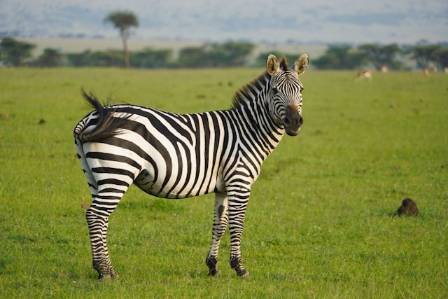
Zebra rolling in dust and mud is far more than a playful quirk—it is a sophisticated, multifunctional adaptation that has evolved to address the most pressing challenges of their African habitat. From defending against disease-carrying insects and extreme heat to maintaining skin health and social bonds, this behavior touches nearly every aspect of zebra survival. The ability to adapt rolling habits to seasons and habitats, combined with species-specific variations, demonstrates the remarkable behavioral plasticity of these iconic mammals. Understanding the importance of rolling provides valuable insights for conservation efforts, particularly as climate change threatens traditional habitats and the availability of suitable dust and mud sites. For wildlife managers and zoologists, recognizing rolling as a non-negotiable aspect of zebra welfare has improved captive care and deepened our appreciation for the complex, interdependent relationship between zebras and their environment. In the end, this seemingly simple behavior reveals the profound evolutionary wisdom of wild animals—turning everyday actions into life-sustaining strategies.