← वर्कस्पेस4 मिनट
नोट
The Evolving Role of Horses in Modern Society
A Partnership Through the Ages Human civilization has shared a deep connection with horses for thousands of years. Once indispensable for transportation, warfare, and agriculture, horses were selectively bred to enhance their strength, stamina, and adaptability. However, with the advent of mechanized vehicles and modern farming equipment, their role shifted dramatically. Fields that once supported working horses were repurposed to grow crops for food and feed, reflecting changing economic priorities.
J
James Whitman
लेखक
मेटा
संदर्भ फील्ड नीचे उपलब्ध।
टाइप
पल्स नोट
A Partnership Through the Ages
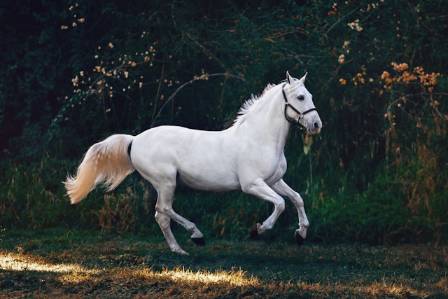
Human civilization has shared a deep connection with horses for thousands of years. Once indispensable for transportation, warfare, and agriculture, horses were selectively bred to enhance their strength, stamina, and adaptability. However, with the advent of mechanized vehicles and modern farming equipment, their role shifted dramatically. Fields that once supported working horses were repurposed to grow crops for food and feed, reflecting changing economic priorities.
From Companion to Contender
As industrialization diminished the necessity of horses in manual labor, another trend began to emerge: equestrianism as a recreational and competitive pursuit. With improved living standards and a growing desire to reconnect with nature, more individuals began keeping horses for pleasure, companionship, and sport. Horse riding, once reserved for the elite, became more accessible to the public.
What truly sets equestrian sports apart is the unique dynamic between human and animal. Unlike other athletic pursuits, these competitions require harmony with a sentient partner—one that cannot speak and must be cared for responsibly. Moreover, equestrian events stand out as one of the few arenas where men and women compete equally.
The Dual Nature of Modern Equestrianism
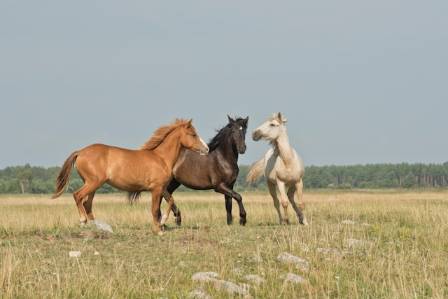
In today’s landscape, horse sports can be viewed through two distinct lenses. On one hand, everyday riders engage with horses at a grassroots level—learning discipline, responsibility, and teamwork in local clubs. This facet of the sport enriches communities and supports values essential to social cohesion.
On the other hand, the professional side of equestrianism has transformed into a commercial enterprise. Top-tier events attract massive audiences, generate significant media coverage, and contribute heavily to the entertainment economy. Elite athletes in this space are not only competitors—they are celebrities. Yet this level of visibility also brings challenges, including financial manipulation, ethical concerns, and performance-related scandals.
Germany’s Journey with Horses
Germany boasts a rich legacy of horse breeding and riding. Following World War II, the country maintained a substantial horse population of around 1.5 million. But rapid modernization saw that number plummet. By the early 1970s, just a fraction remained, and many feared horses would vanish entirely from the cultural landscape.
The tide began to turn in the late 20th century. As personal incomes rose and urban life became increasingly digitized, the public developed a renewed appreciation for animals and outdoor hobbies. Horse ownership grew once more—not for labor, but for leisure. Riding became a widespread pastime, and with that came demand for instructors, stables, veterinary services, and related infrastructure. By the 1980s, Germany’s horse population had surpassed one million again.
Economic Power Behind the Passion
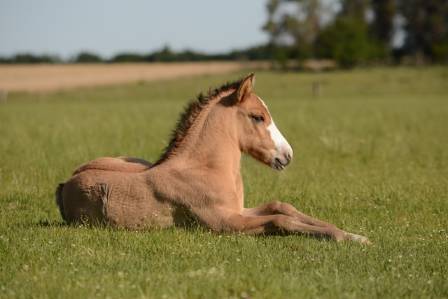
Today, Germany is recognized as the leading nation in horse breeding. Equestrian sport, while ranking seventh in terms of club membership, has an outsized economic impact. A study commissioned by the German Horse Riders Association estimated that horse-related activities contribute roughly €5 billion annually to the national economy. Over 300,000 jobs are tied to the industry, with thousands of suppliers depending on its growth.
Major equestrian events are proving to be economic drivers for their regions. The 2006 World Equestrian Games in Aachen, for example, had a regional impact exceeding €230 million. A similar story unfolded in Kentucky during the 2010 Games, where local businesses—from hotels to restaurants—reaped substantial benefits.
These tournaments are not merely about sport—they are engines of tourism, employment, and regional development.
Global Shifts and Expanding Horizons
While traditional European powerhouses continue to dominate the equestrian scene, new players are emerging. Nations in Eastern Europe, South America, and parts of Asia are experiencing a surge in interest, driven by rising incomes and increased access to leisure activities. This marks a promising future for global horse sports, where new markets bring fresh enthusiasm and opportunity.
Currently, about 80% of organized equestrian activities take place in Europe, with North America accounting for another 10%. The remaining portion is spread across the rest of the world, though that number is steadily growing.
Looking Ahead
As the horse transitions from tool of labor to partner in sport and recreation, its significance in society continues to evolve. Equestrianism blends tradition with innovation, physical discipline with emotional intelligence, and local participation with international spectacle.
With increasing global interest and ongoing investment, the horse industry shows no signs of slowing down. What was once seen as a fading relic of the past is now a dynamic contributor to culture, economy, and human fulfillment.
संबंधित
en
Incredible Secrets Behind the Bright Crimson Plumage and Unusual Behaviors of Flamingos

en
Getting to Know the Blue Morpho Butterfly A Wonder of the Natural World
en
Red Panda (Ailurus fulgens): Ecology, Adaptations, and Conservation
en
Choosing the Right Pickup Truck: A Practical Buyer’s Guide

en
The Intentional Home: Practical Storage, Effortless Gatherings, and Peaceful Mornings

hi